How Atlanta Studio Rentals Are Reshaping Independent Video Production
Atlanta’s video production landscape has shifted dramatically over the past decade. What was once the domain of major film studios and corporate media houses has opened up to independent creators, vloggers, and small production teams seeking professional-grade environments without the overhead of permanent facilities. The city’s growing reputation as a production hub—bolstered by its film industry infrastructure—has created a robust market for flexible studio rentals that cater to creators at every level.
For content creators producing regular video content, the difference between filming in a makeshift home setup and a proper studio environment is immediately visible in the final product. Controlled lighting, acoustic treatment, and dedicated space for equipment storage transform not just the technical quality of videos, but the entire creative process. As the barrier to entry for professional-looking content continues to lower, access to proper production facilities has become less about budget and more about knowing where to look.
The Production Quality Advantage
The technical benefits of studio environments extend beyond simple aesthetics. Professional spaces offer several concrete advantages that directly impact content quality:
- Lighting Control: Natural light varies throughout the day and across seasons, creating consistency challenges for serialized content. Studio spaces provide controllable lighting systems that ensure visual continuity across shoots separated by days or weeks.
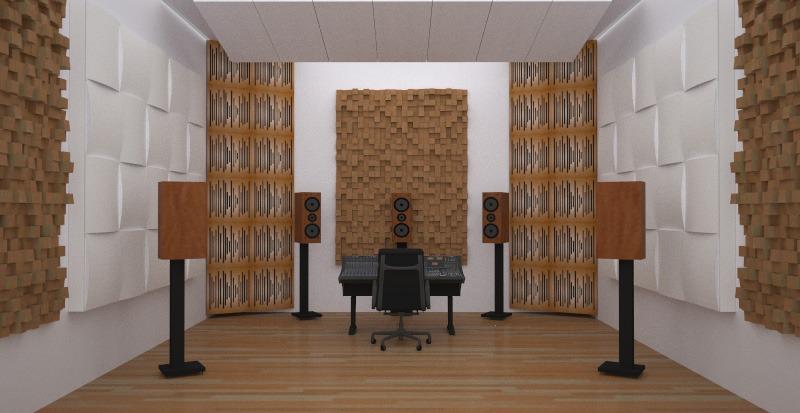
- Acoustic Treatment: Proper room acoustics significantly affect perceived audio quality. Treated spaces eliminate echo and ambient noise that plague home recordings.
- Equipment Infrastructure: Dedicated spaces allow for semi-permanent setups—lighting rigs, backdrop systems, and camera positions that don’t need complete teardown between sessions.
- Creative Flexibility: Sufficient square footage enables multiple set configurations, allowing creators to vary their visual presentation without changing locations.
The cumulative effect of these advantages is content that reads as professional rather than amateur—a distinction that matters increasingly in crowded digital markets where production value signals credibility.
Evaluating Studio Options in Atlanta’s Market
Atlanta’s studio rental market spans a wide spectrum, from bare-bones spaces with basic lighting to full-service facilities with in-house equipment and technical support. Selecting the right option requires evaluating several key factors against your specific production needs:
- Geographic Accessibility: Atlanta’s sprawl means location significantly impacts logistics. Studios in Midtown offer urban convenience, while facilities in areas like West Midtown provide more space at competitive rates.
- Spatial Requirements: A solo vlogger needs fundamentally different square footage than a small crew shooting interview-style content. Measure your equipment footprint and movement requirements before committing to space.
- Technical Amenities: Baseline requirements include reliable high-speed internet for cloud uploads and client reviews, adequate electrical capacity for lighting systems, and climate control for equipment protection. Advanced facilities may offer cyclorama walls, grid systems for overhead lighting, and isolated audio recording booths.
- Rental Structure: Pricing models vary from hourly rates to monthly memberships. Flexible workspace arrangements have grown substantially as creators seek alternatives to long-term commercial leases.
Resources for comparing Atlanta studio facilities across these criteria include Studio Space Atlanta, Peerspace, and listings through ProductionHUB. Filtering by location, square footage, and available amenities before scheduling tours—rather than calling studios individually—streamlines the search process when evaluating options across different neighborhoods.
Building Professional Networks Through Shared Spaces
Studio rentals function as more than production facilities—they serve as nodes in professional networks. Shared creative spaces naturally facilitate connections that isolated home studios cannot:
- Cross-Pollination: Working alongside creators in adjacent disciplines exposes you to different approaches and techniques. A vlogger might learn lighting techniques from a photographer, while a podcaster might discover video production possibilities.
- Resource Pooling: Informal equipment sharing and skill exchanges emerge organically in shared environments. Someone with color-grading expertise might trade services with a motion graphics designer.
- Collaborative Opportunities: Many successful creative partnerships begin with proximity. Shared studio spaces create repeated casual interactions that build familiarity and trust—prerequisites for successful collaboration.
- Industry Intelligence: Being present in creative spaces provides access to informal information networks about upcoming projects, client needs, and market trends that don’t circulate through formal channels.
These networking benefits compound over time. Regular presence in a studio community builds recognition and reputation in ways that social media connections cannot replicate. The difference between being known online and being known in person remains significant in creative industries where trust and reliability determine who gets hired.
Optimizing Your Studio Workflow
Securing studio space is only the first step—maximizing its value requires systematic approach to workflow and organization. Professional creators treat studio time as a premium resource, structuring their processes to extract maximum value from each session:
- Pre-Production Planning: Detailed shot lists and production schedules prevent wasted studio time. Knowing exactly what you need to capture before arriving allows you to work efficiently through your booking window.
- Equipment Systems: Standardized packing lists and organized storage systems reduce setup and breakdown time. Many creators maintain dedicated studio kits that remain packed between sessions.
- Lighting Diagrams: Documenting successful lighting setups with diagrams or photos enables quick replication in future sessions, maintaining visual consistency across content series.
- Batch Production: Filming multiple pieces of content in single sessions maximizes studio rental value. A four-hour booking might yield two weeks of published content with proper planning.
- Technical Redundancy: Backup equipment for critical components—extra batteries, memory cards, cables—prevents technical failures from derailing expensive studio time.
The discipline required for efficient studio use often improves overall production quality. The constraints of booked time force better preparation, which translates to more focused creative execution. Creators who develop systematic studio workflows typically see improvements in both output quality and production efficiency.
Conclusion
Atlanta’s studio rental market offers independent creators access to professional production environments that were previously available only to well-funded operations. The city’s infrastructure, developed to support its film industry, now serves a broader creative economy of vloggers, content creators, and small production companies seeking to elevate their work.
The decision to rent studio space involves weighing tangible benefits—improved lighting, better acoustics, professional presentation—against costs and logistical complexity. For creators producing regular content, particularly those building businesses around their creative work, access to proper production facilities often proves transformative.
Beyond the technical advantages, studio environments provide entry points into professional creative communities. The networks, collaborations, and industry knowledge that emerge from shared creative spaces frequently prove as valuable as the facilities themselves.
As Atlanta’s creative economy continues expanding, the infrastructure supporting independent production grows with it. For creators serious about their craft and committed to professional-quality output, exploring the city’s studio options represents a logical step in their production evolution.
“`