The Ultimate Guide to Compression Stockings: Benefits and Usage
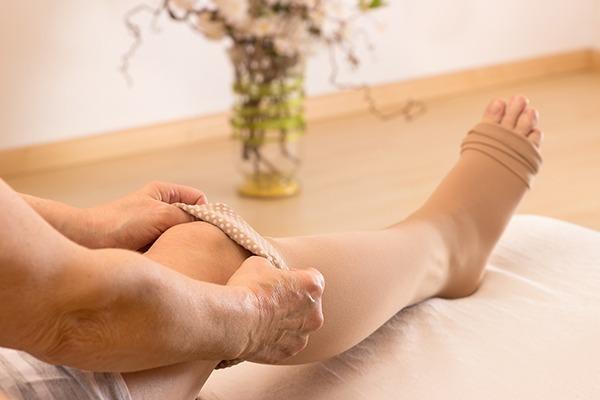
Compression stockings are a crucial tool in managing various medical and health conditions. These specially designed stockings apply graduated pressure, aiding in circulation and reducing swelling in the legs. For individuals suffering from conditions such as varicose veins, deep vein thrombosis, or chronic venous insufficiency, wearing compression stockings can provide significant relief and improve quality of life.
What Are Compression Stockings?
Compression stockings are elastic garments worn around the leg, compressing the limb. This pressure helps maintain blood flow, reduce discomfort and swelling. The idea is simple yet effective: apply pressure to decrease vein diameter, thus increasing the velocity of blood flow and helping to prevent venous stasis.
Medical Benefits of Compression Stockings
The primary benefit of wearing compression stockings is improved circulation. They are especially beneficial for individuals who spend long periods standing or sitting, which can lead to poor blood circulation. The stockings can alleviate symptoms such as swelling, aching, and heaviness in the legs.
Beyond comfort, compression stockings play a vital role in the medical management of chronic venous diseases, including the prevention of deep vein thrombosis (DVT). By compressing the legs, these stockings help prevent the formation of blood clots, which can be life-threatening if they travel to vital organs.
Everyday Uses of Compression Stockings
Compression stockings are not limited to those with medical conditions but are also recommended for athletes and individuals with active lifestyles. Athletes often use them to enhance performance, reduce muscle soreness, and aid in recovery after strenuous workouts.
People who have jobs involving prolonged periods of standing or sitting can also benefit. Flight attendants, nurses, and office workers, for example, may use compression stockings to combat leg fatigue and improve comfort throughout their workday.
Choosing the Right Compression Stockings
Selecting the correct compression stockings is essential for achieving the desired outcomes. Factors to consider include the level of compression, the stocking material, and the fit. There are various compression levels, usually measured in millimetres of mercury (mmHg). Consulting with a healthcare provider is often recommended to determine the right level for your specific needs.
Types of Compression Stockings
Compression stockings come in different styles: knee-high, thigh-high, and full-length tights. Each style serves different purposes and personal preferences, which can also dictate the choice between open-toe and closed-toe designs.
Additionally, manufacturers create these stockings in various colours, patterns, and fabrics, allowing wearers to choose according to their style preferences without compromising on function.
Putting On and Taking Off Compression Stockings
One of the challenges with compression stockings is putting them on and taking them off, particularly for those with limited mobility. It is recommended to apply the stockings first thing in the morning when leg swelling is minimal. Techniques such as turning the stocking inside out to the heel and then rolling it onto the leg can help.
Assistance devices and techniques can make this process easier. For those who struggle, stocking donning devices are available to simplify the process and ensure proper application.
Maintenance and Care for Compression Stockings
Proper care is essential to maintain the effectiveness of compression stockings. Regular washing is necessary to remove dirt and oils that can degrade the elasticity. Hand washing and air drying, rather than machine drying, are recommended to extend their lifespan.
Checking regularly for signs of wear and replacing stockings as needed will ensure optimal support and performance.
Potential Side Effects
While generally safe, some users may experience skin irritation or discomfort, especially if the stockings are not correctly fitted. It is crucial to ensure that the stockings are not too tight and that they are free of wrinkles that could cause pressure points.
Seeking guidance from healthcare professionals when side effects occur is advisable to address and adjust usage accordingly.
Conclusion
Compression stockings offer a range of benefits for both medical purposes and everyday use. Their role in enhancing circulation, preventing venous disorders, and improving comfort and performance for active individuals is well documented. By choosing the appropriate type and ensuring correct usage and care, users can maximise the benefits of compression stockings.