Beginner’s Guide to GameKit
Gamekit: 3 Essential Types Explained
Understanding the GameKit Landscape

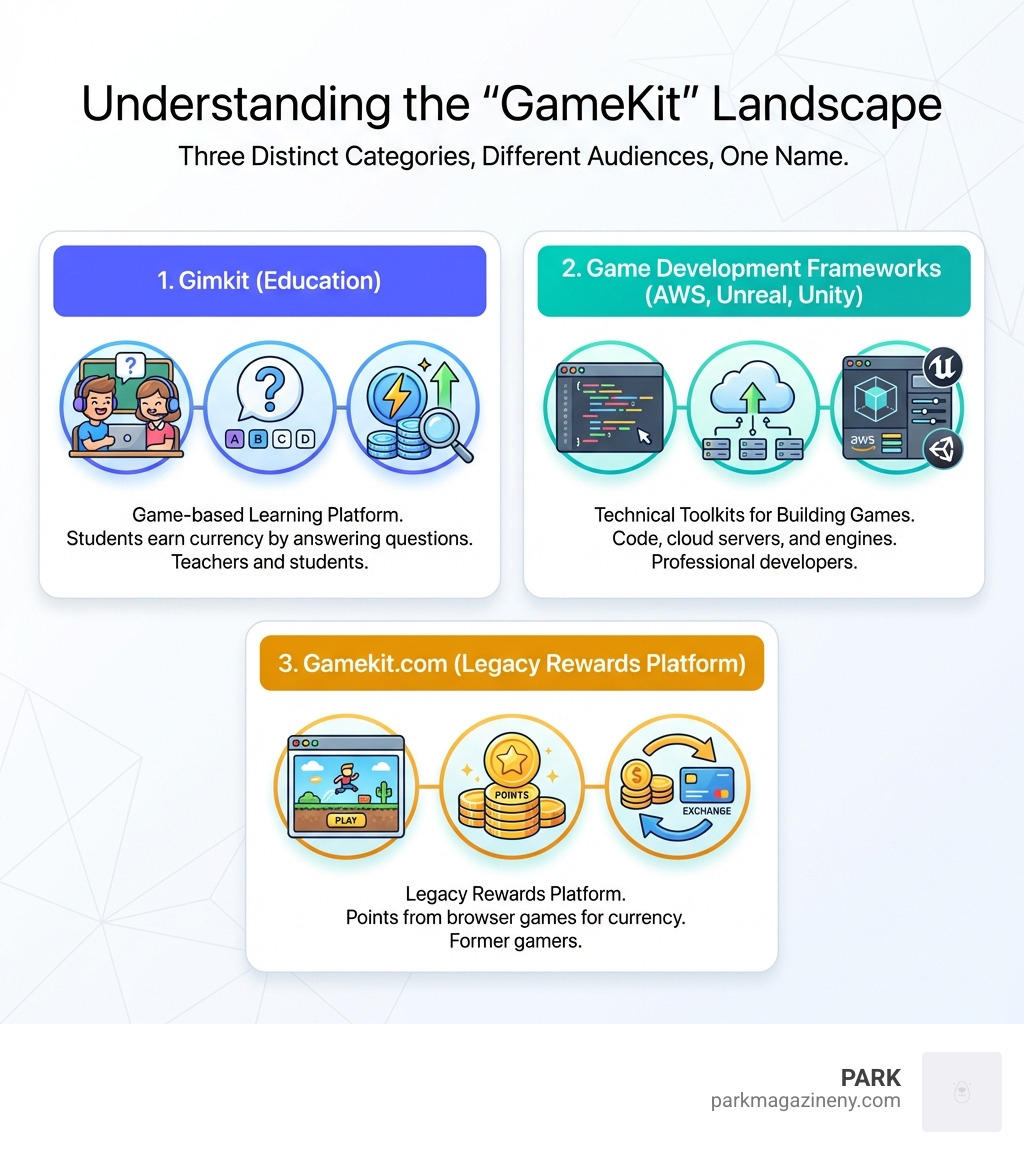
Gamekit refers to three distinct tools serving completely different audiences. If you’re searching for gamekit, you likely mean one of these:
| Type | What It Is | Who It’s For |
|---|---|---|
| Gimkit | Game-based learning platform where students earn in-game currency by answering questions | Teachers and students |
| Game Development Frameworks | Technical toolkits for building games (AWS, Unreal Engine, Unity) | Professional game developers |
| Gamekit.com | Legacy rewards platform for earning points in browser games (possibly defunct) | Former gamers seeking rewards |
Here’s something that trips up many people: the term “gamekit” doesn’t point to a single product. It’s become a generic name used across completely different industries.
On one side, you have Gimkit – an educational platform where students answer questions to earn virtual cash and buy power-ups. It was created by Josh F., a high school student who wanted to make learning feel like playing a game. Today, millions of students use it for everything from in-class competitions to homework assignments.
On the other side, you have sophisticated development frameworks. AWS for Games serves 750 million gamers monthly with cloud infrastructure. The Unreal Engine GameKit provides developers with pre-built systems for abilities, multiplayer networking, and game mechanics. These are professional tools, not classroom games.
Then there’s the original Gamekit.com – a rewards platform with 350K Facebook followers that let users collect points and exchange them for in-game currency. User reports suggest it may have gone inactive, though the exact status remains unclear.
This guide will clarify all three meanings, so you can find exactly what you’re looking for.
The World of GameKit: More Than One Tool
As we’ve seen, the term “gamekit” is quite the chameleon. It doesn’t refer to a single, universally recognized product, but rather a collection of distinct tools and platforms that happen to share a similar name. This ambiguity can be confusing, whether you’re an educator looking to liven up your classroom, a budding game developer in New York City, or someone reminiscing about an old rewards platform. We’re here to help you steer this landscape.
At its heart, the keyword ambiguity stems from the fact that “gamekit” can describe a tool for game-based learning (Gimkit), a robust set of development tools for creating video games (Game Development Frameworks like those for Unreal Engine, Unity, or AWS), or even a legacy rewards platform (Gamekit.com). Each serves a unique purpose and caters to a different audience, making it crucial to understand the nuances of each.
Understanding the Different “GameKits”
Let’s break down these different interpretations of “gamekit” to provide clarity:
- Gimkit: This is our go-to for educational purposes. It’s a dynamic, game-based learning platform that transforms quizzes and assignments into engaging, interactive experiences. Students answer questions, earn in-game cash, and use it to buy power-ups and upgrades, making learning feel less like a chore and more like a game.
- AWS for Games: When we talk about professional game development, AWS for Games is a powerhouse. It provides a comprehensive suite of cloud services and solutions designed to help developers build, run, and scale their games. With 750 million gamers globally playing games built on AWS each month, its impact on the industry is undeniable.
- Unity Platform Toolkit GameKit: For developers working with the Unity engine, this GameKit provides a set of tools and functionalities. While its primary function is to integrate with Unity’s ecosystem, it represents another facet of what a “game development gamekit” can be. Its documentation offers insights into its technical aspects.
- Unreal Engine GameKit: This is a robust framework built on top of Unreal Engine, one of the most powerful game engines available. It provides pre-built systems for complex gameplay mechanics, abilities, and multiplayer functionality, significantly streamlining the development process for game creators.
- Gamekit.com: This platform, now seemingly inactive, was a rewards-based website. Users would play various browser and client games, collect points, and then exchange these points for in-game currency in other online games. It had a significant following on Facebook, boasting 350K followers, but its current status is uncertain, with users noting a decline in activity.
Gimkit: Gamifying the Classroom
Imagine a classroom buzzing with excitement, not because of a fire drill, but because students are actively engaged in learning, competing, and strategizing. That’s the magic of Gimkit. This platform has revolutionized how educators approach learning, making it an interactive and often hilarious experience for students.
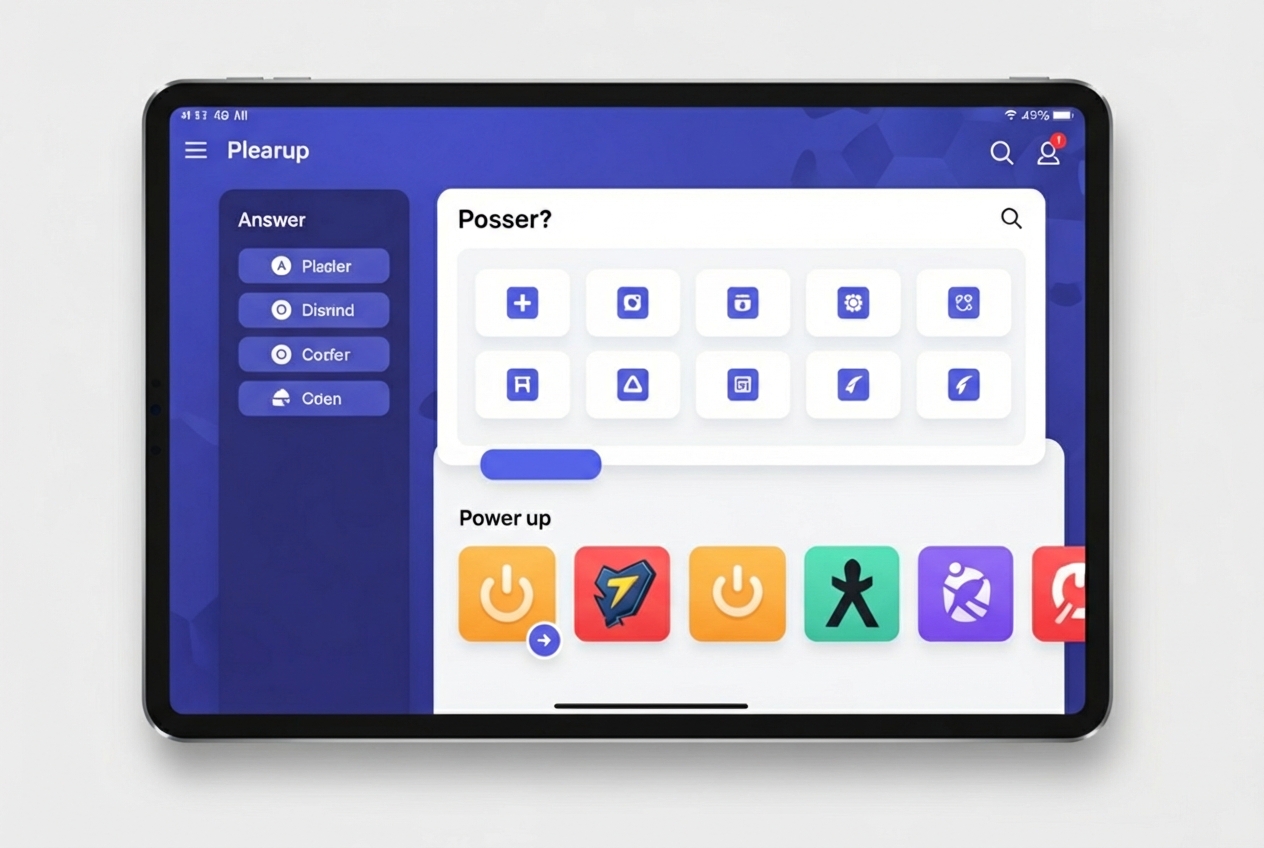
Gimkit’s core purpose is to make learning fun and engaging through game-based mechanics. It allows students to answer questions on their own devices at their own pace. What makes it unique is its innovative economy system: students earn in-game cash for correct answers but lose money for incorrect ones. This isn’t just about getting the right answer; it’s about strategic thinking. Students can then reinvest their hard-earned virtual cash by purchasing upgrades and power-ups, which can help them answer future questions more effectively or even sabotage their classmates (in a fun, competitive way, of course!).
We’ve seen Gimkit effectively used for both in-class activities and homework assignments. For in-class use, it transforms review sessions into lively game shows, ensuring that students are exposed to questions multiple times for mastery. As for homework, it’s a dream for educators: assignments are graded automatically, freeing up valuable time.
The story behind Gimkit is particularly inspiring. It was started by Josh F. as a high school project. He understood how games could make school engaging, and he built Gimkit to be the kind of game he wished he had in class. We believe this personal connection to the student experience is a significant part of its success in fostering student engagement. You can learn more about this live learning game show at Gimkit – live learning game show.
Core Features for Educators and Students
Gimkit isn’t just a simple quiz tool; it’s packed with features designed to improve the learning experience for both educators and students:
- KitCollab: This innovative feature truly involves students in content creation. With KitCollab, students can create questions for the game in real-time. Teachers then review and accept these student-generated questions, which are subsequently integrated into the game. It’s a fantastic way to encourage deeper understanding and ownership of the material.
- Automatic Grading: For educators, the automatic grading of homework assignments is a significant time-saver. It provides instant feedback to students and streamlines administrative tasks, allowing teachers to focus more on instruction.
- Multiple Game Modes: To keep things fresh and exciting, Gimkit offers over 10 unique game modes, with more constantly in development. These modes provide different gameplay experiences, catering to various learning styles and preferences, ensuring that students never get bored.
- Learning Mastery: The platform is designed to promote mastery rather than just rote memorization. By exposing students to questions multiple times and allowing them to use power-ups strategically, Gimkit encourages a deeper, more enduring understanding of the subject matter.
- Founder’s Story: As we mentioned, Gimkit’s origin as a high school project by Josh F. highlights its student-centric design. This unique perspective has shaped a platform that genuinely resonates with young learners, proving that when games are built with engagement in mind, the learning outcomes can be remarkable.
The Developer’s Gamekit: Frameworks for Building Games
Moving from the classroom to the studio, we encounter a completely different side of “gamekit” – the sophisticated tools that professional game developers in places like New York City use to bring their virtual worlds to life. These aren’t games themselves, but powerful frameworks and platforms designed to accelerate development, provide pre-built systems, and manage the complex infrastructure required for modern gaming. Whether it’s crafting intricate narratives or building massive multiplayer online experiences, these developer-focused gamekits are indispensable.
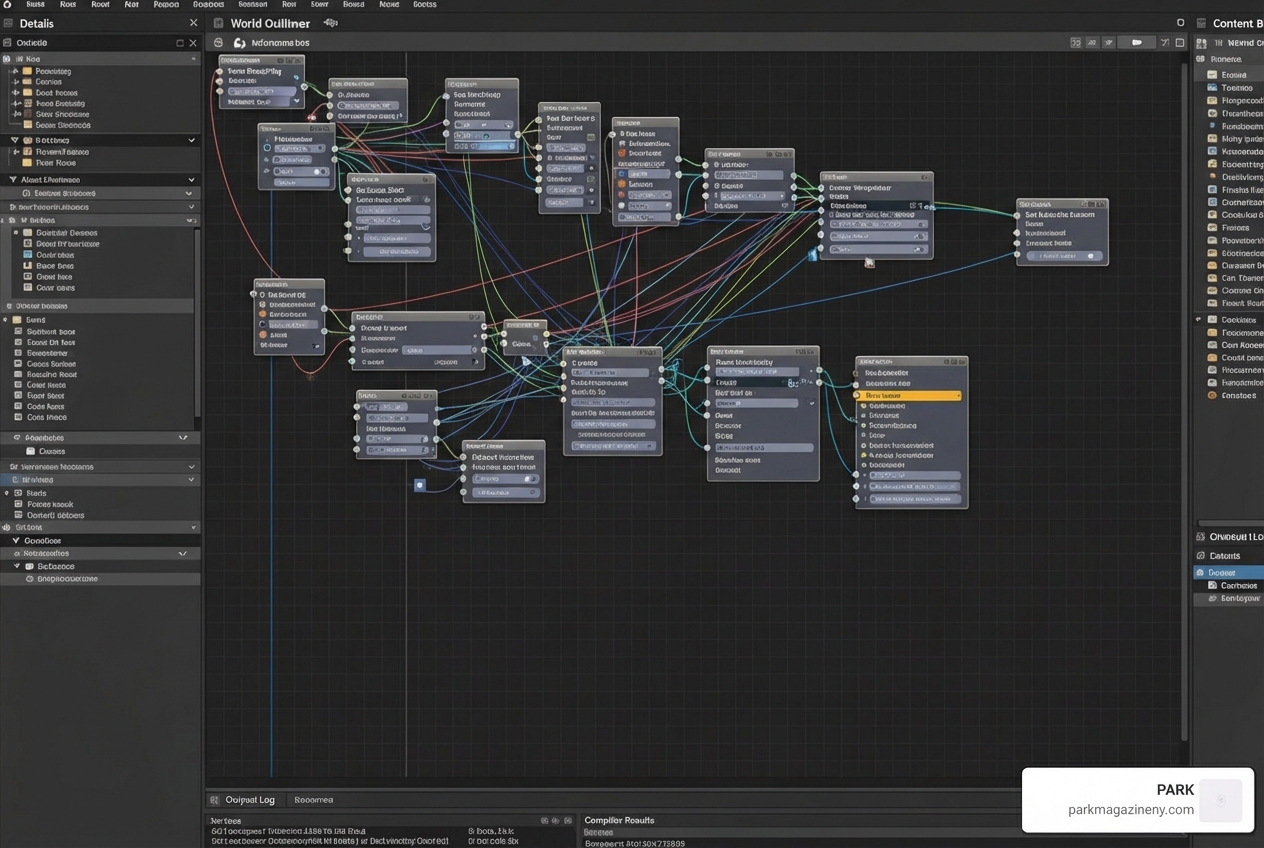
Leading the charge in this domain are giants like Unreal Engine, Unity, and cloud service providers such as AWS. They offer robust ecosystems that empower developers to create stunning, interactive, and scalable games efficiently.
What is a Game Development Gamekit?
At its core, a game development “gamekit” is a collection of modular tools, libraries, and pre-designed systems that streamline the game creation process. Its purpose is to provide developers with a head start, offering solutions for common game development challenges so they don’t have to build everything from scratch.
These kits typically feature:
- Modular Tools: Instead of a monolithic solution, modern gamekits offer components that developers can pick and choose, integrating only what they need. This modularity allows for flexibility and optimization.
- Gameplay Ability System (GAS): A crucial component for many games, especially RPGs and action titles, GAS provides a structured way to define and manage character abilities, spells, and effects.
- Multiplayer Networking: Building robust multiplayer functionality from scratch is incredibly complex. Game development gamekits offer integrated solutions for replication, synchronization, and server authority, making it easier to create engaging online experiences.
- Data-Driven Design: Many advanced gamekits emphasize data-driven design, allowing game logic and content to be configured via external data files (like JSON), rather than being hard-coded. This makes it easier for designers to iterate and balance gameplay without needing programmer intervention.
The target audience for these advanced gamekits is broad, including indie developers with ambitious projects, small studios looking to maximize efficiency, and large game studios developing AAA titles. Even educators and AI prototypers leverage these tools to explore new possibilities in interactive entertainment.
Key Features of a Technical Gamekit
When we dig into the technical aspects of a gamekit designed for development, we find powerful systems built to handle the intricate demands of modern games. These features are what empower developers to create complex interactions and seamless online experiences.
Gameplay Ability System (GAS)
The Gameplay Ability System (GAS) is a cornerstone of many advanced gamekits, particularly those built on Unreal Engine. It’s a robust framework for managing all sorts of character actions, spells, and effects. Think of it as the brain behind every fireball, healing potion, or special attack in a game.
Key components of GAS include:
- Abilities: These are the actions characters can perform, such as casting a spell, using an item, or performing a special attack. In Gamekit, abilities are highly configurable and data-driven, defined through structures like
FGKAbilityStatic. They can even generate their own Gameplay Effects at runtime, offering immense flexibility. - Effects: Gameplay Effects are the outcomes of abilities. They can be instant (like dealing damage) or persistent (like a heal-over-time buff or a stun debuff). Gamekit includes various built-in effects such as
Cooldown,Death,Heal,Damage,Immunity, andManaCost. - Attributes: These are the numerical statistics that define a character or entity, such as Health, Mana, Experience, and Gold. Gamekit’s
Builtin Attribute Setmanages these values, which are often modified by Gameplay Effects. - GameTags: A core concept in GAS, Game