How Buyers Identify a High-Quality Diamond for Engagement Jewelry
The Importance Of A Diamond’s Cut
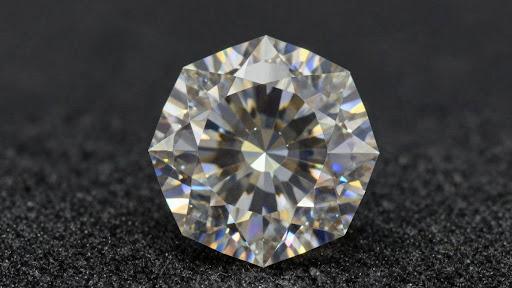
The cut of a diamond is really about how well it’s been shaped and polished. It’s not about the diamond’s shape, like round or princess, but rather how its angles and facets interact with light. A good cut lets the diamond reflect light in a way that makes it sparkle. Think of it like a mirror – the better it’s polished and angled, the clearer the reflection. This is why the cut is often considered the most important of the 4 Cs. It directly impacts how much brilliance and fire a diamond shows. At retailers like TrueSanity, where a wide selection of Diamond Engagement Rings is offered, the cut quality plays a major role in determining how captivating each piece appears.
When a diamond is cut well, it can look more impressive even if it’s smaller or has a slightly lower color grade. Poorly cut diamonds, on the other hand, can look dull and lifeless, no matter their size or color. Jewelers use grading scales, often from ‘excellent’ down to ‘poor’, to describe the quality of a diamond’s cut. A diamond’s cut is the single biggest factor in its sparkle.
Here’s a quick look at what influences the cut:
- Proportions: The angles and dimensions of the diamond’s facets.
- Symmetry: How well the facets align with each other.
- Polish: The smoothness of the diamond’s surface.
Evaluating Diamond Color
When we talk about diamond color, we’re actually talking about the absence of color. The most valuable diamonds are those that are completely colorless. Jewelers use a grading scale that runs from ‘D’ (completely colorless) to ‘Z’ (light yellow or brown). Most people can’t see the difference between grades that are close together, especially if they’re looking at the diamond in a setting.
For engagement rings, diamonds in the ‘G’ to ‘J’ range are often a good choice. They appear colorless to the naked eye but can be more affordable than the top ‘D’ to ‘F’ grades. If the diamond is set in yellow gold, a slightly warmer diamond (like an ‘I’ or ‘J’ grade) can look just as white because the metal’s color can mask any faint yellow tint. The color grade is a key part of a diamond’s overall look.
- D-F: Colorless (most rare and expensive)
- G-J: Near Colorless (excellent value, looks colorless to most)
- K-M: Faint Color (slight yellow tint, noticeable in larger stones)
- N-Z: Very Light to Light Color (distinctly yellow or brown)
Assessing Diamond Clarity
Diamond clarity refers to the presence of natural imperfections, called inclusions, within the stone. These are like tiny birthmarks that form when the diamond is created deep within the earth. While inclusions can affect a diamond’s beauty, most are so small they can’t be seen without magnification. The clarity grade tells you how many inclusions there are and how visible they are.
For most engagement rings, a diamond with a clarity grade of ‘VS1’ or ‘VS2’ is a great option. These grades mean there are very small inclusions that are difficult to see even under 10x magnification. This is often referred to as ‘eye-clean’. Diamonds with ‘IF’ (Internally Flawless) or ‘VVS’ (Very, Very Slightly Included) grades are rarer and more expensive, but the difference might not be visible without a jeweler’s loupe. The clarity of a diamond is about its internal purity.
Clarity grades range from Flawless (no inclusions) down to Included (inclusions visible to the naked eye). For most buyers, aiming for a diamond that looks clean to the eye is the goal.
Considering Carat Weight
Carat weight refers to how much a diamond weighs, not its size. One carat is equal to 200 milligrams. Generally, larger diamonds are rarer and therefore more expensive. However, a diamond’s carat weight should be considered alongside the other 3 Cs. A large diamond with a poor cut or low clarity won’t look as good as a smaller diamond with excellent cut and clarity.
It’s also worth noting that diamonds just under a full carat weight can be significantly less expensive than those that are slightly larger. For example, a 0.90-carat diamond might cost much less than a 1.00-carat diamond, even though the size difference is barely noticeable. This is a smart way to get more sparkle for your budget. The carat weight is a measure of size, but not the only measure of quality.
Beyond The 4 Cs: Essential Quality Indicators
The Role Of Metal Quality In Engagement Rings
The metal band is a big part of an engagement ring’s look and how long it lasts. For a high-quality ring, look for platinum, 18-karat gold, or good white gold. These metals look nice and don’t tarnish or wear down easily. You can usually find stamps on the metal that show its purity, like ‘750’ for 18k gold or ‘950’ for platinum. Be careful if a ring feels too light or doesn’t have clear markings; it might be made of cheaper or mixed metals.
The metal quality directly impacts the ring’s durability and overall aesthetic. A well-made band supports the diamond and complements its beauty. It’s not just about the sparkle of the stone; the foundation matters just as much for a lasting piece of jewelry. Think of it as the frame for a masterpiece.
When checking the metal, consider its color and how it pairs with the diamond. Warmer metals like yellow gold can make diamonds with a slight warmth appear brighter. Cooler metals like platinum or white gold often make colorless diamonds look even more striking. The metal choice is a personal one, but its quality is a universal sign of a well-made ring.
Assessing Craftsmanship And Setting
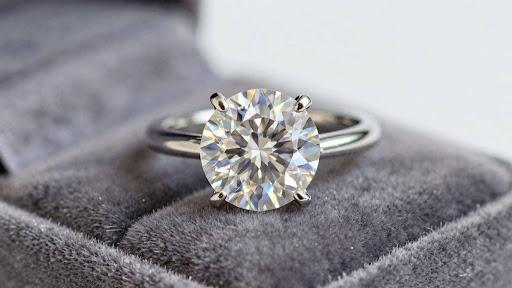
Good craftsmanship is what makes a ring truly stand out. This means the diamond is set securely, the band is even, and all the small details are finished nicely. A well-crafted ring feels solid and balanced when you hold it. Poor craftsmanship shows up as loose stones, prongs that aren’t uniform, rough edges, or settings that are off-center. These issues not only look bad but can also lead to problems down the road.
Look closely at how the diamond is held in place. The prongs should be smooth and evenly spaced. The band itself should be smooth and free of any sharp points or imperfections. A sign of excellent craftsmanship is when every tiny detail is polished and perfect. This attention to detail separates a good ring from a great one.
When you’re looking at a ring, pick it up. Does it feel substantial? Does it sit comfortably? These physical cues can tell you a lot about the quality of the work. A ring that feels flimsy or has visible flaws is likely not made with the care you’d want for such an important piece of jewelry.
The Significance Of Diamond Certification
Diamond certification is super important. It’s like a report card for the diamond, detailing its specific qualities. Reputable labs like GIA (Gemological Institute of America) or IGI (International Gemological Institute) provide these certificates. They grade the diamond on the 4 Cs – cut, color, clarity, and carat weight – and also note any unique characteristics. This documentation helps you know exactly what you’re buying.
Without a certificate, it’s hard to verify the diamond’s quality. You’re essentially taking the seller’s word for it. A certificate from a trusted lab offers an objective assessment. It’s a key piece of information that backs up the diamond’s value and quality claims. Always ask for this documentation before making a purchase.
A diamond’s certification is your best tool for verifying its quality and value. It provides an unbiased report on the stone’s characteristics, protecting your investment and ensuring you get what you pay for. Always prioritize diamonds with credible certifications.
Exploring Diamond Shapes And Styles
Beyond the standard round brilliant, a world of diamond shapes and styles awaits. These variations offer unique aesthetics and can influence how a diamond appears in terms of size and sparkle. Understanding these options helps buyers find a stone that truly reflects their personal taste.
Popular Fancy Diamond Shapes
Fancy diamond shapes are any cuts that aren’t the classic round brilliant. Each shape has its own character and brilliance. For instance, the oval cut offers a similar sparkle to a round diamond but in an elongated form, often making the finger appear longer. The emerald cut, with its step facets, provides a different kind of flash, more about broad planes of light than tiny sparkles. Princess cuts, with their sharp corners, are a popular choice for a modern look, while cushion cuts offer a softer, romantic feel with their rounded corners and larger facets.
Understanding Fancy Diamond Colors
While most engagement rings feature colorless or near-colorless diamonds, fancy diamond colors add a vibrant dimension. These colors, ranging from soft yellows and pinks to deep blues and greens, come from trace elements or structural anomalies within the diamond. The intensity of these colors is graded on hue, tone, and saturation. A fancy yellow diamond, for example, can range from a pale lemon to a rich canary yellow, each with a different appeal and price point. Exploring fancy diamond colors opens up a unique avenue for personalization.
Appreciating Diamonds With Unique Inclusions
Inclusions, often seen as flaws in traditional diamonds, can be a celebrated feature in certain styles. Diamonds with unique inclusions, sometimes called ‘salt and pepper’ or ‘galaxy’ diamonds, have a distinctive appearance. These stones often have a cloudy or speckled look due to numerous small inclusions. Instead of detracting from the diamond’s beauty, these inclusions create a one-of-a-kind pattern, offering a more organic and artistic look. This style is perfect for those seeking something truly unconventional and personal for their engagement jewelry.
Ethical Considerations In Diamond Selection
The Value Of Ethically Sourced Diamonds
When picking out an engagement ring, thinking about where the diamond comes from matters. People want to know their purchase doesn’t cause harm. Ethically sourced diamonds mean they were mined without contributing to conflict or human rights issues. This is a big deal for many buyers today. It’s about making a choice that feels good, not just looks good.
Natural diamonds have a long history, but sometimes that history involves conflict. That’s why checking for ethical sourcing is important. It ensures the diamond supports fair practices. Many jewelers now focus on this, offering peace of mind. The value of a diamond isn’t just in its sparkle; it’s also in its story.
Buyers are increasingly looking for transparency in the diamond’s journey. This means knowing it was mined responsibly. It’s a way to align personal values with a significant purchase. The focus on ethically sourced diamonds is growing, and for good reason. It adds another layer of quality to the stone.
Understanding Lab-Grown Diamond Options
Lab-grown diamonds offer a different path for engagement rings. These diamonds are made in a lab, but they’re chemically the same as natural diamonds. They have the same sparkle and durability. Many people choose them because they are a more budget-friendly option. Plus, they come with a lower environmental impact.
It’s important to know that lab-grown diamonds are not fake. They are real diamonds, just created differently. This makes them a great choice for those concerned about the environmental footprint of mining. They also avoid the ethical issues sometimes tied to natural diamond mining. This makes lab-grown diamond options appealing.
Lab-grown diamonds can meet high standards for cut, color, and clarity. They offer a beautiful and responsible alternative. For many, they represent a smart way to get a larger or higher-quality stone within budget. It’s a modern choice for a timeless symbol.
Ensuring Conflict-Free Sourcing
Making sure a diamond is conflict-free is a key part of ethical selection. Conflict diamonds, also known as blood diamonds, are stones mined in war zones and sold to finance armed conflicts. This is something most buyers want to avoid completely. Reputable jewelers work hard to prevent these stones from entering the market.
One way to help ensure conflict-free sourcing is through certifications. The Kimberley Process is a system designed to stop conflict diamonds from being traded. Many countries and companies follow these rules. When a jeweler can show their diamonds meet these standards, it builds trust. It shows they care about the diamond’s origin.
Beyond certifications, asking questions is important. A good jeweler will be open about their diamond sourcing. They can explain their policies and where their diamonds come from. This transparency helps buyers feel confident they are making a responsible choice. Choosing a conflict-free diamond means supporting ethical practices and peace.
Navigating The Diamond Buying Process
Setting A Realistic Budget For Engagement Rings
Figuring out how much to spend on an engagement ring can feel tricky. Forget old rules about saving for months; your budget should fit your life. Talk with your partner about what’s important. Is it the size of the diamond, its sparkle, or the metal it’s set in? Knowing your priorities helps make the diamond buying process smoother.
Your budget is personal, so make it work for you. It’s not about following a trend, but about finding a ring that feels right and that you can both be happy with for years to come. A well-planned budget means less stress and more joy when you find that perfect piece.
Where To Purchase Your Diamond
There are several places to buy a diamond, each with its own benefits. Online retailers offer a huge selection, letting you compare many stones from home. However, seeing a diamond in person is often best, as photos don’t always show the true sparkle.
National jewelry chains provide a familiar shopping experience with physical stores. Local jewelers, on the other hand, often give more personal attention. They can help you find specific stones and offer custom design options. The diamond buying process can be tailored to your needs at a local shop.
- Online Retailers: Wide selection, convenient browsing.
- National Chains: Accessible locations, variety of settings.
- Local Jewelers: Personalized service, custom options.
Recognizing Red Flags During Purchase
When you’re ready to buy, keep an eye out for a few warning signs. If a seller seems pushy or avoids answering questions about the diamond’s origin or certification, that’s a concern. Always ask for a diamond certificate, especially for larger stones. This document, often from labs like GIA or IGI, details the diamond’s quality.
Be wary if a diamond lacks a certificate or if the seller can’t explain why. Also, check the metal quality; look for hallmarks indicating purity. A ring that feels too light or has no markings might not be made of high-quality materials. Trust your gut; if something feels off, it’s okay to walk away and continue your diamond search elsewhere.
A diamond’s true value is in its beauty and the meaning it holds, not just its price tag. Focus on finding a stone that speaks to you and your partner.
Finding Your Perfect Sparkle
So, when you’re out there looking for that special engagement ring, remember it’s not just about the size of the diamond. Take a good look at the metal, check out the craftsmanship, and don’t forget about where the stone comes from. Asking questions and looking for certifications from places like GIA or IGI is super important. A good jeweler will be upfront about everything, from the 4Cs to the price. Ultimately, finding a quality ring is about trusting your gut, doing a little homework, and picking a jeweler who’s honest. It’s a big purchase, but with a little know-how, you can find a ring that truly shines and lasts.