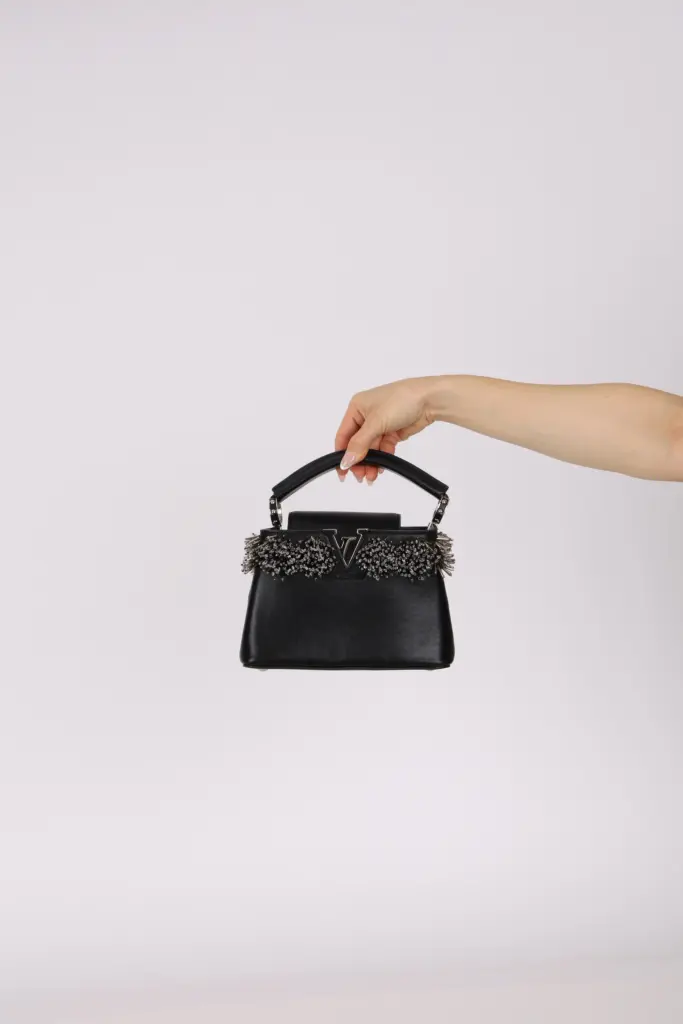
What to Look for When Shopping for Vintage Designer Bags Online
Buying vintage designer bags online can open access to timeless craftsmanship and unique pieces that stand out from current collections. Yet the process calls for more care than shopping for new items. Knowing what to look for helps avoid counterfeit products and poor-quality listings while guiding smarter purchases that retain value over time.
Each resale platform offers different experiences, from strict authentication checks to detailed condition reports. To shop with confidence, a buyer must assess authenticity, review seller reputations, study brand details, and compare prices before making any decision. This article explains how to do that with practical steps anyone can use.
Verify authenticity through serial numbers and brand-specific hardware
Authentic vintage handbags display consistent hardware details and accurate serial numbers. A close look at zipper pulls, buckles, and engraved logos often reveals small differences between real and fake items. Each brand follows its own system, so understanding those traits helps buyers avoid counterfeit pieces.
Genuine tags, holograms, or serial codes should match the brand’s format and appear clearly stamped or stitched. Some labels use serial-numbered hologram stickers, while others emboss numeric codes on interior leather tabs. If a bag lacks these features or they seem unclear, it is wise to compare with verified examples.
Buyers can also study styling tips for vintage bags to match hardware tones and design periods accurately. Gold-tone clasps from the 1980s, for example, differ from more recent silver finishes. Paying attention to these subtle details supports both authenticity checks and correct style matching for confident resale or personal use.
Check seller reputation on platforms like Fashionphile and The RealReal
Buyers should always confirm that a seller has a history of honest transactions before placing an order. Trusted platforms such as Fashionphile and The RealReal have built recognition in the luxury resale market by offering clear authentication and transparent pricing. These sites verify items to protect customers from counterfeit goods, which remain a problem in online luxury sales.
Reading customer reviews provides insight into service quality and how sellers handle returns or disputes. A pattern of positive feedback often signals that the business values accuracy and prompt support. Negative reviews mentioning fake products or poor communication should raise caution.
It also helps to check how each platform manages its verification process. For example, one might use in-house experts, while another may rely on third-party authenticators. Buyers benefit from understanding these differences because they show how seriously each company treats authenticity and resale integrity.
Inspect the bag’s condition carefully for wear, stains, or repairs
Buyers should study every part of a vintage designer bag. Small flaws such as scuffed corners, worn edges, or faded leather can reveal how well the bag was cared for. Therefore, checking both the exterior and interior helps show the true condition.
The lining often hides signs of damage. Stains, loose threads, or odors inside may point to neglect or poor storage. It also helps to look at the stitching to make sure seams stay tight and even.
Hardware can show age too. Scratched clasps, tarnished metal, or dented zippers may lower value and durability. However, gentle wear can still be acceptable for older pieces.
Buyers should look for signs of repair. Replaced straps, mismatched lining, or non-original hardware can change a bag’s authenticity and price. By inspecting carefully, they can decide if a bag offers real quality or just a polished surface.
Understand the brand’s history and iconic designs for accurate identification
Collectors who know a brand’s timeline can more easily spot true vintage pieces. Each designer has evolved through specific eras, and their older collections often reflect the materials, stitching, and logo styles of that time. Recognizing these subtle details helps separate authentic bags from later reproductions.
A study of a brand’s signature designs provides strong clues about age and origin. Certain shapes, clasps, or engraving styles may appear only in limited decades. For example, typography used on interior labels can indicate the period of production and confirm a bag’s authenticity.
Research also shows that logos and emblems often adapt to cultural and design trends. Simple icons may shift in color or proportion across decades. By paying attention to these updates, a buyer can understand not only the piece itself but also its place within the brand’s story. This knowledge supports more confident purchase decisions.
Compare prices across authenticated resale marketplaces to guarantee fair value
Buyers should review multiple resale marketplaces to understand the usual price range for a vintage designer bag. Prices often vary based on factors such as brand popularity, condition, year of release, and included accessories. Checking several platforms helps reveal whether a listing is fair or inflated.
It helps to pay attention to details like shipping costs, seller fees, and any available authenticity services. Some marketplaces add extra value by verifying products before listing them. Comparing these features helps buyers decide if a slightly higher price reflects better service or more secure authentication.
Past sales data and customer reviews also indicate true market demand. If a certain style sells quickly at a consistent price, that figure likely reflects real market value. By weighing all these elements, shoppers gain a more accurate view of what their desired bag should cost before committing to a purchase.
Conclusion
Buying vintage designer bags online requires attention to detail and patience. Each piece has its own history, so shoppers should review photos closely, read descriptions carefully, and confirm authenticity through trusted verification steps.
Condition and material quality remain the main indicators of long-term value. Bags with clean interiors, sturdy hardware, and minimal wear often hold their appeal better over time. In some cases, a small flaw can add charm if the price reflects it fairly.
Price comparisons and seller transparency also matter. Trusted sellers clearly list repair history, provide proof of purchase, and respond to buyer questions. These habits help protect against counterfeits and poor investments.
Careful buyers gather facts before purchase. They evaluate design details, confirm authenticity, and make decisions based on clear information rather than impulse. A thoughtful approach leads to satisfying finds that last for years.