Why Parking Lots Are More Dangerous Than Most Drivers Expect
Parking lots are deceptive environments that often appear far safer than they truly are to the average person behind the wheel. Most drivers perceive these areas as low-risk zones because vehicle speeds are typically minimal compared to busy city streets or highways. However, the concentration of movement in such a tight space creates a constant flurry of activity that demands high levels of attention from everyone.
Whilst many parking lots have ALPR systems fitted upon entry and exit, it is the structural layout inside which can prove troublesome. The layout of a lot is designed for storage rather than safe transit, which leads to frequent and sudden conflicts between vehicles and people. Distractions abound as drivers search for empty spaces or check their mirrors for incoming traffic from multiple directions at once. It is a high-pressure environment hidden behind a quiet facade that many people ignore until it is far too late.
When individuals let their guard down, the likelihood of a collision increases significantly regardless of their previous driving record. Minor scrapes and serious injuries occur daily because people underestimate the complexity of these shared spaces. Many victims are surprised to find that a routine trip for groceries can result in a significant parking lot accident today. Staying alert is the only real defense.
False Sense of Security in Parking Areas
One of the greatest dangers in a parking area is the psychological shift that happens when a driver exits a public road. Once they move off the main thoroughfare, many people feel they have reached a “safe zone” where the strict rules of the road no longer apply. This leads to a dangerous drop in overall vigilance that can have very serious consequences for everyone.
Drivers often use this time to adjust their navigation, check their phones, or interact with passengers in the car. Because they are moving slowly, they assume that any potential impact would be minor and easily avoidable with a quick brake. This overconfidence ignores the reality that even a five-mile-per-hour impact can cause real harm to a person or a vehicle.
This relaxed attitude is a primary contributor to the high frequency of incidents in these zones every single year. When everyone in the lot is distracted, the safety of the environment collapses entirely. Maintaining the same level of focus as on a highway is the only way to prevent a disaster from occurring during a simple trip to the store today.
Visibility and Design Limitations
The physical layout of a typical parking lot is inherently flawed when it comes to maintaining clear lines of sight for the driver. Rows of parked vehicles, particularly large SUVs and trucks, create massive blind spots that hide oncoming cars and people. These obstructions make every turn and every backup maneuver a blind gamble for the person behind the wheel in the car.
Tight corners and narrow lanes further compress the available space, leaving almost no room for error or sudden corrections. Poor lighting in many older lots makes it even harder to spot hazards during the evening hours or in rainy weather. The design often prioritizes the total number of spaces over the safety of the movement through the area for the public.
Reaction time is drastically reduced when a hazard only becomes visible at the very last second before an impact. Drivers must navigate these physical barriers with extreme caution to avoid a strike. Understanding these limitations is essential for staying safe while moving through a crowded and poorly designed parking structure in the city during the busy holiday season.
Pedestrians and Unpredictable Movement
Pedestrians are the most vulnerable participants in the parking lot ecosystem, yet they often move with a sense of total freedom. Shoppers walking to their cars may be distracted by children, grocery bags, or their own smartphones. They frequently step into the path of vehicles without looking, assuming that the driver sees them clearly and will stop for them.
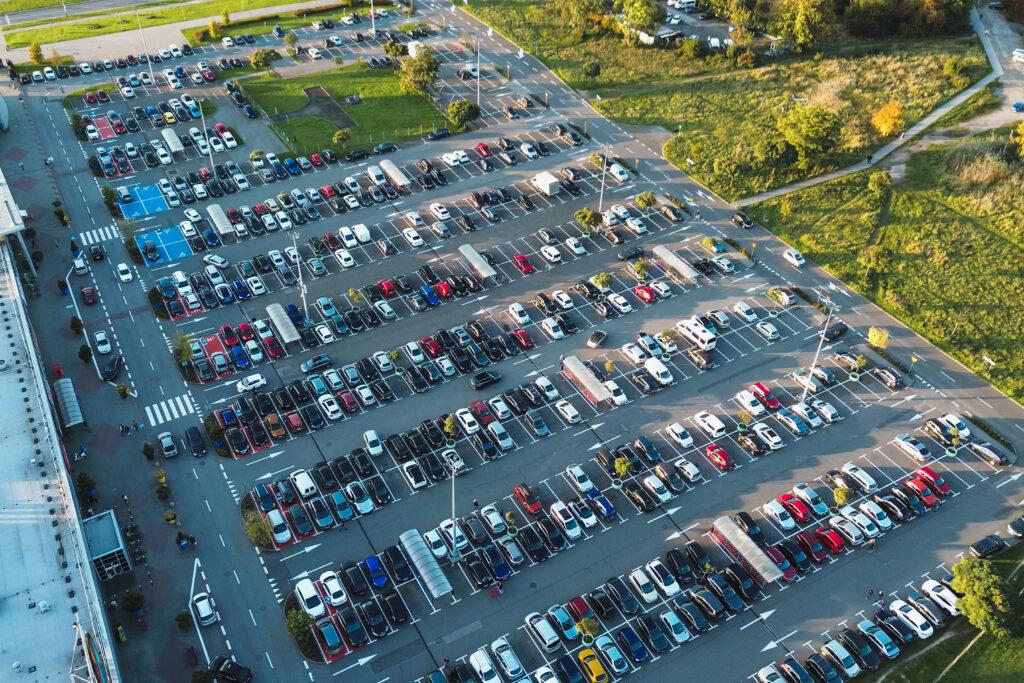
Shopping carts are another unpredictable factor that can cause damage or force a driver to swerve into an adjacent lane. When you combine this with the frequent and sudden reversing of vehicles from their stalls, the environment becomes completely chaotic. It is a space where movement happens in every direction simultaneously without any real organization or clear flow of traffic.
Drivers must anticipate that a person or a cart could appear from behind any parked vehicle at any moment. This unpredictability is what makes these low-speed zones so treacherous for everyone involved. Constant scanning and a very slow speed are the only ways to manage this constant and messy movement in the lot every single day for the safety of all.
Why Fault Is Often Disputed
Determining legal liability after a collision in a parking lot is notoriously difficult for insurance companies and the police alike. Unlike public roads with clear lane markings and signs, parking lots often have ambiguous right-of-way rules that lead to confusion. Drivers frequently disagree on who had the priority at a specific intersection or lane within the private property of the center.
Shared responsibility is a common outcome in these cases because both parties are often found to have been at least partially distracted. If both cars were backing up at the same time, the fault might be split evenly between the two individuals. This lack of clarity makes the recovery process long and frustrating for those who just want a quick resolution.
Documentation at the scene is critical for proving exactly what happened before the impact occurred. Without clear evidence like surveillance footage or witness statements, the case often boils down to one person’s word against another. This ambiguity is a major reason why these claims often take a long time to resolve through the standard legal and insurance channels.
When Legal Help Becomes Necessary
A parking lot crash may seem minor at first, but the situation can become far more serious when someone is injured, and the other party involved denies responsibility. Medical bills, missed work, delayed pain, and conflicting stories can quickly turn a simple collision into a stressful legal matter for the person who was harmed. In these moments, working with a personal injury lawyer can help victims understand whether they may be entitled to compensation and what evidence is needed to support their claim. Support from Javier Villarreal Injury Law Firm can be especially valuable when you are dealing with an injury from a collision that was not your fault. Taking legal concerns seriously after an injury helps prevent victims from being left to manage the consequences alone.
Conclusion
Summarizing the risks of parking areas reveals that caution is just as important in these zones as it is on a highway. The low-speed nature of the environment should never be used as an excuse for a lack of focus or a false sense of security. Safety is a choice made every single time the engine is started and the car moves.
By acknowledging the design flaws and the unpredictable movement of pedestrians, drivers can better prepare for the challenges of these shared spaces. Taking an extra second to look around and moving slowly can prevent most of the common incidents discussed here. Respecting the rules keeps everyone safe and ensures that property damage is kept to a minimum for all.
Ultimately, the goal is to navigate these areas with the same level of professionalism and care as any other active roadway. Protecting your vehicle and your neighbors requires constant vigilance from the moment you enter the lot. Staying alert ensures that every trip to the store ends safely for everyone involved in the community today and in the future.