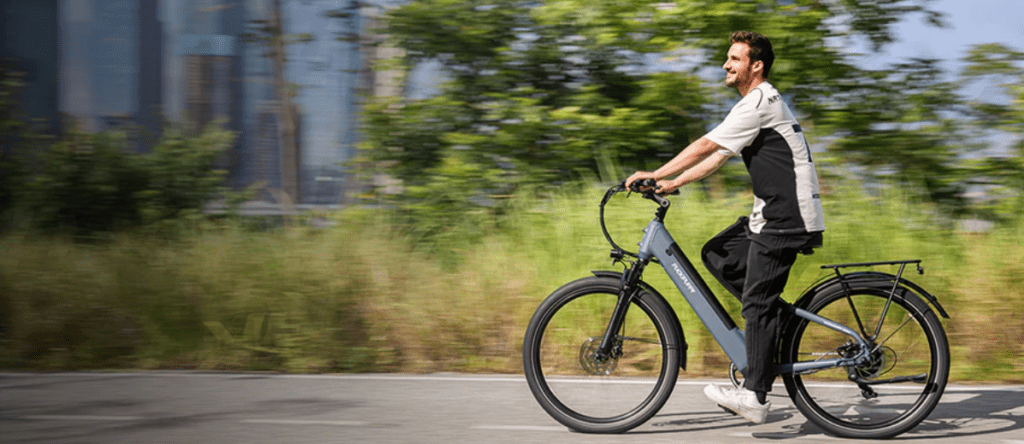
Fat Tire Ebikes and the Rise of Imperfect City Riding
City riding is often framed as efficient and predictable. In reality, it’s anything but. Cracked pavement, disappearing bike lanes, uneven curbs, temporary construction, and constant stop-and-go traffic shape most urban rides. As city environments grow more fragmented, riders are adjusting—and fat tire ebikes are becoming part of that adjustment.
This shift isn’t about trends or visual appeal. It reflects a deeper change in how people actually move through cities, and what they now expect from an urban ride.
What “Imperfect City Riding” Really Looks Like
Imperfect city riding isn’t extreme riding. It’s everyday riding.
It’s the bike lane that suddenly narrows or ends.
It’s patchwork asphalt layered over old cracks.
It’s metal drain covers, curb cuts, road seams, and unfinished repairs.
Urban riders rarely stay on one surface for long. They transition constantly—between smooth pavement and rough concrete, bike lanes and shared streets, sidewalks and intersections. These shifts happen quickly and unpredictably, often within the same block. Weather, lighting conditions, and traffic patterns further amplify this variability, forcing riders to adapt in real time rather than follow a consistent rhythm.
This is the reality most city riders navigate, even though many bikes are still designed around more controlled conditions.
Why Traditional Urban Bike Assumptions Are Breaking Down
For decades, urban bike design followed a familiar logic. Roads were assumed to be relatively smooth. Riding was expected to be continuous and predictable. Efficiency and speed were treated as the primary priorities.
Imperfect city riding challenges all of those assumptions.
Modern urban cycling is fragmented. Riders slow down, stop, restart, maneuver around obstacles, and constantly adjust their balance. In this environment, peak efficiency matters less than how forgiving a bike feels when conditions change unexpectedly. A design optimized for ideal pavement often feels less comfortable when the ride becomes irregular.
When riding conditions become inconsistent, design priorities inevitably shift. Stability, control, and tolerance for small mistakes begin to matter more than marginal gains in speed.
How Fat Tire Ebikes Adapt to Imperfect City Conditions
Fat tire ebikes weren’t originally designed for cities—but they adapt to imperfect urban riding remarkably well.
Wider tires increase the margin for error. Small surface changes such as cracks, loose debris, and uneven pavement are less likely to disrupt balance or traction. Riders don’t need to react sharply to every imperfection in the road, which reduces constant correction and riding tension rather than encouraging more aggressive behavior. Over time, this leads to a riding experience that feels less mentally demanding.
That added forgiveness matters most in the situations where city riding actually happens. Frequent starts and stops, slow turns at intersections, low-speed maneuvering in traffic, and riding while carrying bags or gear place greater emphasis on stability than speed. In these moments, fat tire ebikes tend to feel calmer and more controlled, especially when conditions aren’t ideal or fully visible ahead.
Fat tire ebikes don’t try to fix imperfect cities. They make riding through them easier.
Why Efficiency Matters Less in Imperfect City Riding
Efficiency is often treated as the defining measure of a good urban bike. On paper, lighter frames and narrower tires promise higher speeds and longer range. In practice, imperfect city riding rarely rewards those advantages.
Urban riding is shaped by traffic lights, pedestrians, uneven pavement, sudden stops, and constant transitions between surfaces. Average speeds are limited not by bike efficiency, but by the environment itself. In these conditions, a bike that feels predictable and stable across changing surfaces often proves more practical than one optimized for ideal roads. Consistency reduces fatigue and decision-making stress over longer rides.
That doesn’t mean efficiency is irrelevant everywhere. In cities with consistently smooth infrastructure, uninterrupted bike lanes, and predictable riding conditions, traditional urban setups can still make sense. But those environments are increasingly the exception rather than the rule.
As more riders navigate inconsistent streets, construction zones, and fragmented bike networks, consistency becomes more valuable than peak performance. In imperfect city riding, efficiency is no longer the primary goal—it’s simply one factor among many.
Who Benefits Most From Imperfect City Riding
Fat tire ebikes tend to resonate most with riders who experience city riding as variable rather than controlled.
This includes daily commuters navigating inconsistent roads, riders carrying backpacks or groceries, and anyone dealing with frequent stops, shared streets, or changing weather conditions. It also includes riders who value confidence at low speeds and stability over rough surfaces more than outright speed. For these riders, reduced mental load can be just as important as physical comfort.
These aren’t niche scenarios. They describe how a large portion of people actually ride in modern cities.
The Bigger Shift Behind Fat Tire Ebikes
Fat tire ebikes didn’t rise in popularity because riders wanted more bike. They rose because city riding became less predictable—and riders adapted accordingly.
As urban environments continue to evolve, bikes that tolerate imperfection rather than resist it are becoming increasingly relevant. Fat tire ebikes represent one response to that reality, shaped not by ideal conditions, but by the way cities are actually ridden.