The Modern Sauna: Health, Construction, and Lifestyle Benefits in Contemporary Living
Introduction
Saunas have evolved from traditional wooden steam rooms into sophisticated wellness spaces integrated into modern homes, resorts, gyms, and real estate developments. Once seen primarily as a leisure luxury, saunas are now recognized for their proven health benefits, architectural value, and lifestyle appeal. Whether installed in a residential villa, a wellness spa, or a commercial fitness facility, saunas represent a growing intersection of health, construction & real estate, and leisure living.
This article explores the different aspects of sauna use, design, and technology, helping readers understand why saunas are becoming an essential wellness feature worldwide.
The Role of Sauna Manufacturing in Modern Construction
In today’s construction and real estate sector, sauna integration begins with reliable steam sauna manufacturers who design systems that meet safety, durability, and performance standards. These manufacturers play a critical role by developing steam generators, control panels, insulation systems, and moisture-resistant materials that can be seamlessly incorporated into residential and commercial buildings.
From luxury apartments to wellness centers, professionally manufactured steam saunas add tangible value to properties. Builders and developers increasingly collaborate with experienced suppliers to ensure proper ventilation, waterproofing, and energy efficiency. A well-designed steam sauna not only enhances user comfort but also aligns with modern construction practices focused on sustainability and long-term maintenance.
Health and Wellness Benefits of Regular Sauna Use
Saunas are widely recognized for their physical and mental health advantages. Exposure to controlled heat promotes sweating, which helps the body eliminate toxins and supports skin health. Regular sauna sessions are also linked to improved blood circulation, muscle relaxation, and joint pain relief, making them popular among athletes and individuals with active lifestyles.
Beyond physical benefits, saunas contribute to mental well-being. The quiet, warm environment encourages relaxation, reduces stress, and can improve sleep quality. Many health professionals recommend sauna use as part of a holistic wellness routine, especially when combined with proper hydration and balanced nutrition.
Sauna Design and Integration in Real Estate Projects
From an architectural perspective, saunas are no longer an afterthought. Modern real estate projects often include dedicated wellness zones where saunas are a central feature. Designers carefully consider layout, materials, and aesthetics to ensure the sauna complements the overall interior design.
Wood selection, lighting, glass panels, and digital controls all influence the sauna experience. In high-end developments, saunas are marketed as premium amenities that increase property desirability and resale value. For homeowners, installing a sauna can transform unused space into a personal wellness retreat, aligning comfort with long-term investment.
Understanding Infrared Sauna Technology
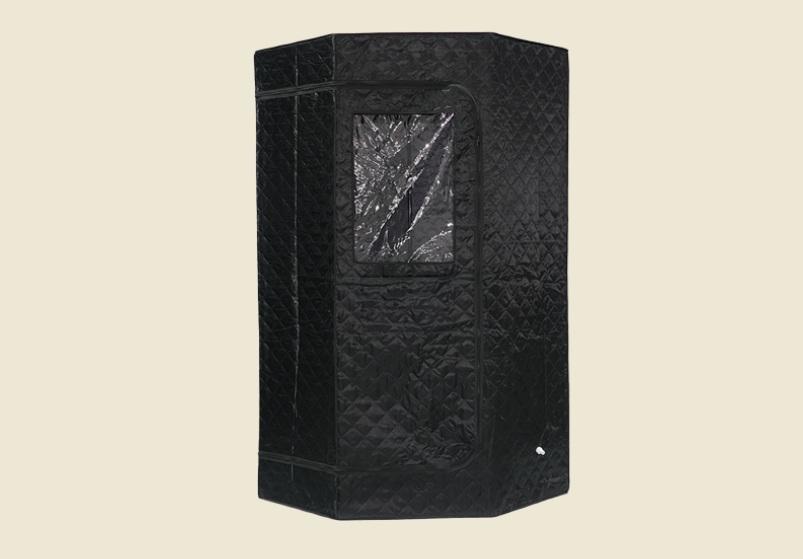
Unlike traditional steam or dry saunas, full spectrum infrared sauna systems use infrared heaters to penetrate the body directly rather than heating the surrounding air. This technology allows users to experience therapeutic heat at lower ambient temperatures, making sessions more comfortable and accessible to a wider range of users.
Infrared saunas are particularly valued for their energy efficiency and targeted health benefits. They are often used for detoxification, pain management, and relaxation. In both residential and commercial settings, infrared saunas represent a modern approach to wellness that blends advanced technology with user-friendly operation.
Sauna as a Lifestyle and Leisure Investment
Saunas have become synonymous with a balanced, wellness-focused lifestyle. In hotels, resorts, and luxury residences, they are positioned as leisure amenities that enhance daily living. Families use saunas for relaxation, professionals for stress relief, and fitness enthusiasts for recovery after workouts.
As awareness of self-care grows, saunas are no longer viewed as indulgences but as practical wellness investments. Their presence encourages healthier routines, social interaction, and mindful living. For businesses in the hospitality and leisure sector, offering sauna facilities can significantly improve customer satisfaction and brand perception.
Choosing the Right Sauna Supplier
Selecting the right sauna supplier is essential for achieving optimal performance and safety. A professional supplier offers not only quality products but also technical guidance, installation support, and after-sales service. Factors such as material quality, compliance with international standards, and customization options should be carefully evaluated.
For those seeking deeper insights into sauna systems, technologies, and wellness solutions, more detailed information can be found by exploring specialized industry resources. Access to expert knowledge helps buyers make informed decisions tailored to their specific health, construction, or lifestyle needs.
Conclusion
Saunas today represent far more than heat and relaxation. They are a convergence of health science, modern construction, and lifestyle enhancement. Whether through steam or infrared technology, saunas support physical wellness, mental balance, and property value. As real estate developers, homeowners, and wellness enthusiasts increasingly prioritize holistic living, the demand for well-designed sauna solutions continues to grow. By understanding manufacturing quality, health benefits, and design considerations, individuals and businesses alike can fully embrace the long-term value of saunas in modern living.