Boost Efficiency with Trucking Fleet Management Software
Managing a fleet of vehicles is akin to conducting a symphony where the musicians are constantly moving, traffic conditions change by the second, and fuel prices fluctuate daily. For logistics managers and business owners, the sheer volume of variables can be overwhelming. Without a centralized system, you are left reacting to problems rather than preventing them, leading to lost revenue and frustrated customers.
This is where technology steps in to bridge the gap between chaos and control. Modern logistics demands precision, and digital tools provide the oversight necessary to maintain it. By centralizing data and automating complex tasks, businesses can transform their operations from a cost center into a competitive advantage. This guide explores the essential benefits of adopting a digital approach to fleet operations and how it helps your business grow.
What Is Trucking Fleet Management Software?
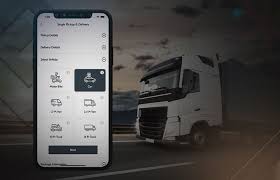
At its core, trucking fleet management software acts as the digital nervous system for your logistics operations. It is a comprehensive platform designed to oversee, coordinate, and facilitate the management of a fleet. This goes beyond simply knowing where your trucks are on a map. It integrates various functions such as vehicle maintenance, driver safety monitoring, fuel tracking, and compliance reporting into a single dashboard.
By moving away from spreadsheets and whiteboards, fleet managers gain real-time visibility. This allows for instant communication with drivers and immediate adjustments to routes or schedules based on current road conditions.
Maximizing Operational Efficiency
The primary goal of any logistics company is to get goods from point A to point B as efficiently as possible. Software solutions utilize advanced algorithms to optimize routes, ensuring that drivers take the most efficient paths. This does not just mean finding the shortest distance; it accounts for traffic patterns, road restrictions, and delivery windows.
Reducing Fuel Consumption
Fuel is often the largest operating expense for a trucking company. Efficient routing reduces unnecessary mileage and idling time. When drivers have precise navigation and managers can monitor idling behavior, fuel waste drops significantly. This optimization directly boosts the bottom line.
Streamlining Dispatch
Manual dispatching involves endless phone calls and paperwork. Digital platforms automate the assignment of jobs based on vehicle location and driver availability. This speeds up the workflow, allowing dispatchers to handle more trucks with less stress.
Improving Safety and Compliance
Safety is non-negotiable in the transportation industry. Regulatory bodies enforce strict rules regarding driver hours and vehicle standards. Trucking fleet management software simplifies compliance by automating the recording of Hours of Service (HoS). Electronic Logging Devices (ELDs) integrated with the software ensure that logs are accurate and tamper-proof, protecting the company from hefty fines.
Beyond compliance, these tools actively promote safer driving. Telematics can monitor driver behavior, alerting managers to speeding, harsh braking, or rapid acceleration. This data allows companies to identify drivers who need coaching, ultimately reducing the risk of accidents and lowering insurance premiums.
Reducing Maintenance Costs
One of the most immediate financial impacts of implementing trucking fleet management software is the reduction in unexpected vehicle downtime. Reactive maintenance—fixing a truck only when it breaks down—is expensive and disruptive.
Software solutions shift the focus to preventative maintenance. By tracking mileage and engine hours automatically, the system can send alerts when a vehicle is due for service, such as an oil change or tire rotation. Keeping vehicles in peak condition extends their lifespan and prevents roadside breakdowns that result in missed deliveries and expensive emergency repairs.
Real-Time Visibility and Customer Satisfaction
In the age of e-commerce, customers expect transparency. They want to know exactly when their shipment will arrive. Fleet management platforms provide real-time GPS tracking that can be shared with customers.
Providing accurate ETAs and proactive updates builds trust. If a delay occurs due to unforeseen weather, the customer can be notified immediately, managing expectations professionally. This level of service retention is vital for long-term business growth.
Data-Driven Decision Making
Gut feelings are not enough to run a profitable logistics business. You need hard data. Modern trucking fleet management software aggregates vast amounts of data into digestible reports.
Managers can analyze trends over time, such as:
- Which routes are consistently problematic?
- Which vehicles are costing the most to maintain?
- Which drivers are the most efficient?
Access to this granular data empowers owners to make strategic decisions. You might discover that certain vehicle models perform better for your specific cargo, or that adjusting start times avoids peak congestion pricing.
Future-Proofing Your Fleet
The transportation industry is evolving rapidly. From electric vehicles to autonomous driving technology, the future brings new challenges and opportunities. Adopting a robust software platform now lays the groundwork for integrating these future technologies. It creates a culture of adaptability and technological proficiency within your organization.
Furthermore, as supply chains become more complex, the ability to integrate with other systems—such as warehouse management or accounting software—becomes crucial. Digital fleet management serves as the anchor for a fully connected, efficient supply chain ecosystem.
Taking Control of the Road Ahead
The difference between a struggling fleet and a thriving one often comes down to visibility and control. By leveraging the power of trucking fleet management software, you gain the ability to oversee every aspect of your operation with precision. From ensuring driver safety to optimizing fuel usage and keeping customers happy, the benefits are comprehensive. Investing in the right tools is not just an operational upgrade; it is a strategic move that secures the future profitability of your business.