Stem Cell Treatment vs Stem Cell Activators
Stem cell science has become one of the most talked-about areas in modern wellness and regenerative medicine. From professional athletes to everyday individuals looking to support healthy aging, interest continues to grow. Two terms often appear in these conversations: stem cell treatment and stem cell activators. While they sound similar, they represent very different approaches with distinct benefits, risks, and use cases. Understanding these differences is essential for anyone considering regenerative options or researching long-term wellness strategies.
Understanding Stem Cells and Their Role in the Body
Stem cells are unique cells with the ability to develop into many different cell types. They also play a role in repairing damaged tissues and maintaining overall cellular health. As the body ages, the number and activity of stem cells naturally decline. This reduction is associated with slower healing, decreased energy, joint discomfort, and other signs commonly linked to aging. Because of this, many therapies and supplements focus on either introducing new stem cells into the body or encouraging the body to make better use of the stem cells it already has.
What Is Stem Cell Treatment
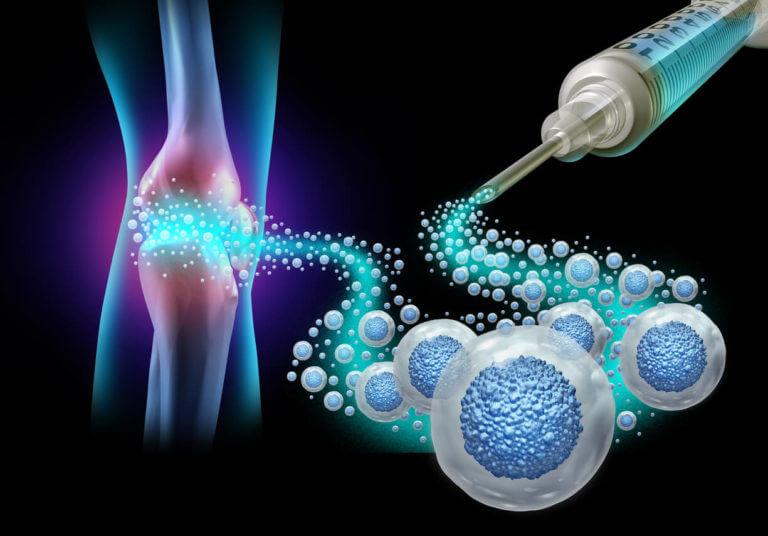
Stem cell treatment refers to medical procedures in which stem cells are introduced into the body through injections or infusions. These cells may come from a person’s own body, such as bone marrow or fat tissue, or from donated sources that are carefully processed. The goal is to deliver a concentrated number of stem cells directly to areas of damage or into the bloodstream to support repair and regeneration. These treatments are typically offered in clinical or medical settings and are often associated with orthopedic care, injury recovery, and certain chronic conditions.
How Stem Cell Treatment Works
In a typical stem cell treatment, cells are harvested, processed, and then reintroduced into the body. The idea is that these cells will migrate to areas of inflammation or injury and contribute to tissue repair. Because this approach involves medical procedures, it requires professional oversight, regulatory compliance, and patient screening. Results can vary depending on the source of the cells, the method used, and the individual’s overall health.
Potential Benefits of Stem Cell Treatment
Stem cell treatment is often promoted for its potential to support healing in joints, muscles, and soft tissues. Some patients pursue it to help with mobility, post injury recovery, or degenerative conditions. Because the treatment introduces stem cells directly, it may offer a more targeted and aggressive approach compared to lifestyle or nutritional strategies. However, outcomes are not guaranteed, and research is still evolving in many areas.
Risks and Limitations of Stem Cell Treatment
Like any medical procedure, stem cell treatment comes with risks. These may include infection, immune reactions, or inconsistent results. Cost is another major factor, as these procedures can be expensive and are often not covered by insurance. Accessibility is also limited, since treatments must be performed in specialized clinics. Regulatory differences across regions add another layer of complexity, making it important for individuals to thoroughly research providers and protocols.
What Are Stem Cell Activators
Stem cell activators take a very different approach. Rather than introducing new stem cells into the body, a stem cell activator is designed to support the body’s natural ability to release and utilize its own stem cells. These products are commonly available as supplements or wellness formulations and are intended to work with the body’s existing systems. The goal is to encourage stem cells to move from storage areas like the bone marrow into circulation, where they can assist with natural repair processes.
How a Stem Cell Activator Works
A stem cell activator typically contains specific compounds that signal the body to increase stem cell activity. These ingredients may support pathways involved in cellular communication, circulation, and tissue signaling. By enhancing the body’s internal environment, a stem cell activator aims to optimize the performance of stem cells that are already present. This approach does not involve injections or medical procedures, making it more accessible for many people.
Benefits of Using Stem Cell Activators
One of the main advantages of stem cell activators is convenience. They can often be incorporated into a daily wellness routine without the need for clinical visits. Cost is another factor, as supplements are generally more affordable than medical treatments. Many people use a stem cell activator as part of a broader strategy that includes exercise, nutrition, and healthy lifestyle choices. While results are typically more gradual, this approach may appeal to those focused on long-term wellness rather than acute intervention.
Limitations of Stem Cell Activators
It is important to understand that stem cell activators are not designed to treat medical conditions or replace clinical care. Their effects depend heavily on an individual’s existing stem cell reserves, which can vary with age and health status. Results may be subtle and require consistent use over time. As with any supplement, quality and formulation matter, and not all products are created equal. Consumers should look for transparency, research backing, and reputable manufacturing practices.
Comparing Effectiveness and Expectations
When comparing stem cell treatment vs stem cell activators, expectations play a major role. Stem cell treatment is often pursued for specific injuries or conditions where a more direct intervention is desired. Stem cell activators are typically chosen for general support, maintenance, and proactive wellness. Neither approach should be viewed as a miracle solution. Both rely on the body’s natural processes and are influenced by factors such as age, nutrition, sleep, and physical activity.
Safety and Regulatory Considerations
Stem cell treatment is subject to medical regulations and oversight, though standards can vary depending on location. This makes provider selection and due diligence critical. Stem cell activators, on the other hand, fall under dietary supplement regulations. While they do not require prescriptions, users should still consult healthcare professionals, especially if they have underlying conditions or are taking medications.
Who Might Choose Each Option
Individuals recovering from injuries or dealing with significant joint issues may explore stem cell treatment under medical guidance. Those focused on supporting healthy aging, mobility, and recovery as part of a daily routine may find a stem cell activator more aligned with their goals. Some people even use activators before or after medical treatments to support overall cellular health, though this should always be discussed with a healthcare provider.
Making an Informed Decision
Choosing between stem cell treatment and stem cell activators depends on personal goals, budget, health status, and risk tolerance. Understanding how each option works helps set realistic expectations and reduces confusion caused by marketing claims. Education, professional guidance, and a focus on overall wellness remain key components of any regenerative strategy.
Conclusion
Stem cell treatment and stem cell activators represent two distinct paths within the broader field of regenerative health. One is a medical intervention designed to deliver stem cells directly, while the other focuses on encouraging the body’s natural regenerative potential. By understanding the differences, benefits, and limitations of each, individuals can make more confident decisions that align with their health goals and lifestyle.