Bamboo vs Cotton Clothing: What Parents Should Know
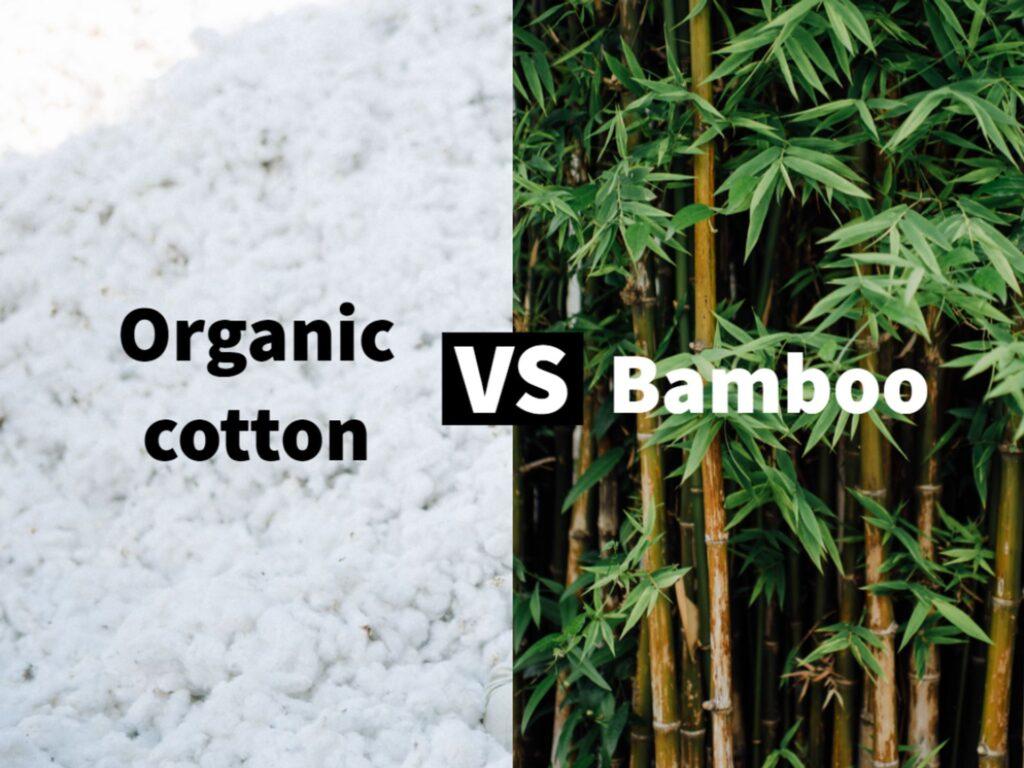
Choosing clothing for children is about more than style. Parents weigh comfort, durability, safety, cost, and environmental impact every time they shop. Two of the most common fabric options today are bamboo and cotton. Both are often marketed as soft, breathable, and kid-friendly, but they differ in important ways. Understanding how bamboo and cotton clothing compare can help parents make confident decisions that align with their family values and their child’s needs.
Why Fabric Choice Matters for Kids
Children’s skin is more sensitive than adult skin, especially in infancy and early childhood. Fabrics that trap heat, irritate skin, or contain harsh chemicals can contribute to rashes, discomfort, and disrupted sleep. Kids are also active, which means clothing must hold up to frequent washing, movement, and spills. Fabric choice influences how clothing feels throughout the day, how long it lasts, and how it impacts the environment.
What Is Bamboo Fabric
Bamboo fabric is made from the pulp of bamboo plants that is processed into fibers, often called bamboo viscose or bamboo rayon. Bamboo grows quickly and requires little water compared to many other crops, which is one reason it has become popular in sustainable fashion conversations. The finished fabric is known for its smooth texture and lightweight feel.
What Is Cotton Fabric
Cotton is a natural fiber harvested from the cotton plant and has been used for centuries. It is widely available, relatively affordable, and familiar to most parents. Cotton clothing ranges from conventional cotton to organic cotton, with differences in how the plants are grown and processed.
Softness and Comfort Comparison
One of the biggest reasons parents explore bamboo clothing is softness. Bamboo fabric is often described as silky or buttery soft, which can feel especially gentle on sensitive skin. Many parents notice that bamboo clothes drape well and move easily with a child’s body.
Cotton is also comfortable, particularly high-quality or organic cotton, but it tends to feel more structured than bamboo. After repeated washing, cotton can become softer, though it may also stiffen if dried at high heat. For children with sensory sensitivities, bamboo is often perceived as the softer option, though comfort ultimately depends on weave and garment construction.
Breathability and Temperature Regulation
Bamboo fabric is known for its breathability and moisture-wicking properties. It can help regulate body temperature by allowing heat and moisture to escape, which is beneficial for active kids and for sleepwear. This can be especially helpful for children who run warm or sweat easily.
Cotton is also breathable and performs well in many climates. It absorbs moisture but does not wick it away as efficiently as bamboo, which means it can feel damp during intense activity or hot weather. For everyday wear, both fabrics perform well, but bamboo may have an edge for sleepwear and warm conditions.
Durability and Longevity
Durability is an important consideration for parents who want clothing that lasts through growth spurts, hand-me-downs, or frequent washing. Cotton is generally more durable than bamboo, especially in thicker weaves. It holds its shape well and resists pilling when properly cared for.
Bamboo fabric, while soft, can be more delicate. It may be prone to pilling or thinning over time, particularly if washed in hot water or dried at high temperatures. That does not mean bamboo clothing is fragile, but it does require more mindful care to maintain its appearance and feel.
Care and Maintenance
Cotton clothing is relatively easy to care for. Most cotton garments can be machine-washed and dried, making them convenient for busy families. Shrinkage can occur, especially with untreated cotton, but many modern garments are pre-shrunk.
Bamboo clothing often requires gentler care. Washing in cold water and air drying or tumble drying on low heat is usually recommended. Parents who are comfortable with a slightly more careful laundry routine may find bamboo manageable, while those seeking maximum convenience may prefer cotton.
Skin Sensitivity and Allergies
For children with eczema, allergies, or very sensitive skin, fabric choice can make a noticeable difference. Bamboo fabric is naturally smooth and less likely to cause friction, which can reduce irritation. It is also often marketed as hypoallergenic, though individual reactions can vary.
Cotton, particularly organic cotton, is also a good option for sensitive skin. Organic cotton is grown without synthetic pesticides and processed with fewer chemicals, which may reduce the risk of irritation. Conventional cotton may contain residues from farming or processing, though most finished garments are safe for general use.
Environmental Impact
Environmental considerations play a growing role in purchasing decisions. Bamboo plants grow quickly and do not require replanting after harvest, which can make bamboo an appealing renewable resource. However, the process of turning bamboo into soft fabric often involves chemical treatments, which can reduce its environmental benefits if not managed responsibly.
Cotton farming requires significant water and, in conventional systems, pesticides. Organic cotton addresses some of these concerns by using more sustainable practices, though yields are often lower and costs higher. When comparing bamboo and cotton, it is important to consider not just the plant but the entire production process.
Cost and Accessibility
Cotton clothing is widely available at many price points, from budget-friendly basics to premium organic options. This accessibility makes it easy for parents to build a versatile wardrobe without overspending.
Bamboo clothing is often more expensive due to processing costs and its positioning as a premium fabric. Parents may choose bamboo selectively for items like pajamas, underwear, or baby essentials where softness and comfort are top priorities. Many families mix both fabrics to balance cost and benefits.
Bamboo Clothes for Kids in Everyday Life
Bamboo clothes for kids are especially popular for sleepwear, loungewear, and base layers. Parents often appreciate how the fabric feels against the skin and how it performs during sleep. Cotton remains a staple for school clothes, playwear, and items that need to withstand rough use and frequent washing. Understanding where each fabric shines can help parents choose intentionally rather than exclusively.
Making the Right Choice for Your Family
There is no single best fabric for every child or situation. Bamboo offers exceptional softness, breathability, and comfort, making it appealing for sensitive skin and sleepwear. Cotton provides durability, ease of care, and affordability, making it a reliable choice for everyday wear.
Parents can consider their child’s skin needs, activity level, climate, and their own laundry habits when deciding. Mixing bamboo and cotton pieces allows families to enjoy the benefits of both without feeling locked into one option.
Final Thoughts
Bamboo and cotton clothing each bring distinct advantages to children’s wardrobes. By understanding how they differ in comfort, care, durability, and environmental impact, parents can make informed decisions that support their child’s comfort and their family’s values. Whether you choose bamboo, cotton, or a combination of both, thoughtful fabric choices can make daily dressing a little easier and a lot more comfortable for kids.