Integrating Renewable Energy into the Built Environment at Scale
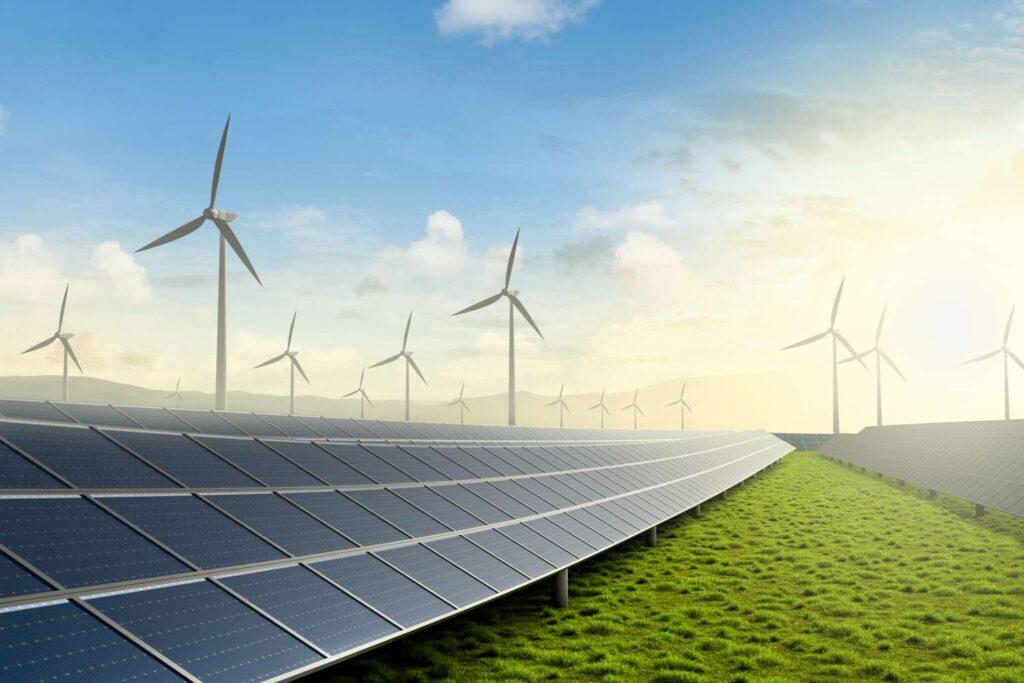
The global energy sector is transitioning from fossil-fuel dominance to renewable energy sources, driven by stringent regulatory controls on carbon emissions and advances in clean energy technology. The shift towards renewable sources like solar, wind, and geothermal energy is set to revolutionise the future of our built environment. However, integrating these green energy systems at scale into our built environments poses multiple challenges that require practical mitigation strategies.
Understanding Power Purchase Agreements (PPAs)
To strike the right balance between sustainable design and efficient energy use, it’s essential to develop a basic understanding of Power Purchase Agreements (PPAs). A Power Purchase Agreement is a contractual agreement between energy producers and consumers. It aims to provide a robust framework for the direct purchase of electricity from renewable sources. By promoting the large-scale acquisition and use of renewable energy, these agreements act as a bridge to a sustainable future, promising high cost and carbon savings, balanced against the initial investment.
Role of Innovative Design and Smart Technology
Equally important is the role of innovative design, smart technology, and the Internet of Things. Advances in photovoltaic building materials have made it increasingly viable to integrate solar panels into the design of residential and commercial buildings. At the same time, smart technologies like energy management systems can optimise energy usage and reallocate surpluses back to the grid, striking a balance between efficient energy use and environmental conservation.
Building Resilient and Energy-efficient Infrastructure
As we approach the integration of renewable energy at scale, it’s vital to build resilient and energy-efficient infrastructure. Sustainability and energy considerations should drive the spatial organisation, orientation, material selection, and even landscaping of our buildings. Passive design strategies, such as maximising natural light and ventilation, coupled with renewable energy installations, can significantly reduce the overall carbon footprint of the structures.
The Importance of Green Building Certification
Green building certification programs like LEED and ENERGY STAR in the USA encourage the adoption of sustainable, energy-efficient practices in the constructed environment. These programs hold buildings to a specific energy standard and validate efforts towards reducing environmental impact. As such, they stimulate the mass integration of renewable energy sources in a way that is both sustainable and economically viable.
Government Involvement and Public-Private Partnerships
While individual efforts are significant, large-scale integration of renewable energy into the built environment needs substantial government involvement. Rigorous regulations are required to ensure adherence to energy-efficiency standards, and financial incentives can foster the adoption of renewable energy solutions. What’s more, public-private partnerships provide the necessary funding mechanisms and logistical support for such endeavours.
Incorporating Energy Transition into Urban Planning
Lastly, it’s vital to incorporate clean energy into urban planning at scale. This might entail reconfiguring existing spaces to harness available resources more efficiently, or developing new, sustainably designed urban precincts from scratch. Urban planners have a key role to play in advocating for and implementing policies that prioritize renewable energy and support the viability of these infrastructures at the urban scale.
Toward a Net-Zero Future
The integration of renewable energy into the built environment at scale requires a shift in perception, technologies, and policies. Moving away from the carbon-heavy dependence of the past, we must embrace the potential that renewable technologies offer. With robust PPAs, innovative design, green certifications, dedicated government policies, and strategic urban planning, we can transition progressively towards a low-carbon, net-zero future. As we face an era of increasing environmental uncertainties, infusing our built environment with scalable renewable energy solutions is not just desirable – it’s essential.