How to Prepare Plumbing in Your Vacation Home to Prevent Problems
Owning a vacation home is a dream for many people, but it also comes with unique responsibilities. Unlike a primary residence, a vacation property often sits unused for weeks or months at a time. During those quiet periods, plumbing systems can develop issues that go unnoticed until they turn into expensive repairs. Preparing your plumbing before you leave and maintaining it properly throughout the year is one of the smartest ways to protect your investment. With the right plumbing preventative maintenance strategy, you can reduce the risk of leaks, burst pipes, water damage, and unpleasant surprises when you return.
Understand the Risks of an Unused Plumbing System
When plumbing is used daily, problems often reveal themselves quickly. In a vacation home, inactivity creates a different set of risks. Standing water in pipes can encourage corrosion and mineral buildup. Traps can dry out, allowing sewer gases to enter the home. Small leaks can worsen over time, soaking walls or floors without anyone noticing. In colder climates, stagnant water increases the risk of freezing and pipe bursts. Understanding these risks is the first step toward preventing them and planning a maintenance routine that fits how often the home is occupied.
Shut Off the Main Water Supply Before Leaving
One of the simplest and most effective ways to protect your vacation home is to shut off the main water supply when you are away. If a pipe fails or a hose connection loosens, there will be no continuous flow of water to cause flooding. Before shutting off the water, run faucets briefly to relieve pressure in the system. In some homes, especially those with irrigation systems or fire sprinklers, you may need to shut off specific zones rather than the entire supply. Labeling valves clearly makes this process easier and reduces confusion for anyone checking on the property.
Drainpipes and Fixtures When Absence Is Long Term
If your vacation home will be vacant for an extended period, draining the plumbing system adds another layer of protection. This step is especially important in colder regions where freezing temperatures are common. After shutting off the water, open all faucets and flush toilets to allow water to drain from the lines. Appliances like washing machines and dishwashers should also be drained according to the manufacturer’s instructions. Removing water from the system reduces pressure on pipes and lowers the risk of freezing, cracking, or corrosion.
Protect Pipes from Freezing Temperatures
Cold weather is one of the biggest threats to plumbing in a vacation home. Frozen pipes can burst and cause extensive water damage once they thaw. Insulating exposed pipes in crawl spaces, attics, garages, and exterior walls helps maintain consistent temperatures. Pipe insulation sleeves are affordable and easy to install. In areas prone to severe cold, adding heat tape or cable can provide extra protection. Maintaining a low but steady indoor temperature, even when the home is unoccupied, can also prevent freezing without significantly increasing energy costs.
Inspect for Leaks and Weak Points Regularly
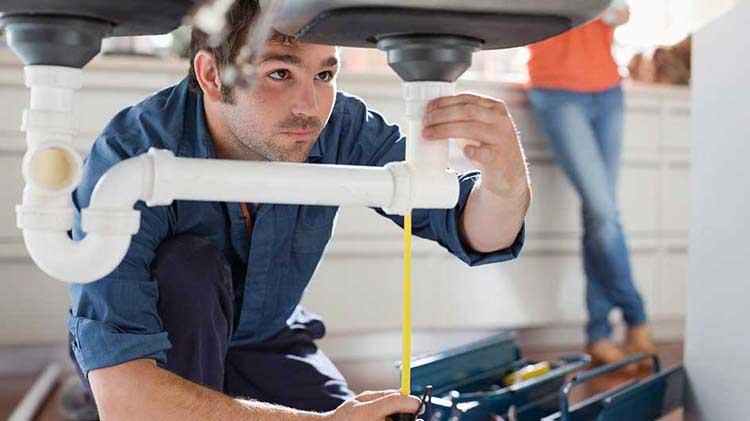
Before leaving your vacation home and after returning, perform a thorough inspection of the plumbing system. Check under sinks, around toilets, and near water heaters for signs of moisture, corrosion, or mold. Look for rusted fittings, cracked hoses, or loose connections. Pay attention to water pressure changes or unusual sounds in the pipes. Catching small issues early is a core principle of plumbing preventative maintenance and can save you from costly emergency repairs later.
Maintain Water Heaters and Appliances
Water heaters and plumbing-connected appliances often suffer when a home sits unused. Sediment can settle in the bottom of a water heater tank, reducing efficiency and increasing wear. Flushing the tank periodically helps remove buildup and extend its lifespan. If the home will be vacant for months, consider setting the water heater to vacation mode or turning it off entirely. Appliances such as washing machines and ice makers should be inspected for leaks and shut off if not needed. Flexible supply lines should be replaced every few years to reduce the risk of sudden failure.
Keep Drains and Traps in Good Condition
Drains and traps are often overlooked, but they play an important role in preventing odors and blockages. When a vacation home is unoccupied, the water in the traps can evaporate, allowing sewer gases to rise into the house. Before leaving, pour a small amount of water into all drains, including floor drains and rarely used sinks. Some homeowners add a teaspoon of mineral oil to traps to slow evaporation. Keeping drains clear and traps sealed helps maintain a fresh and safe indoor environment.
Monitor Plumbing with Smart Technology
Modern technology makes it easier than ever to monitor a vacation home from afar. Smart leak detectors and water sensors can alert you to moisture, temperature drops, or unexpected water flow. Some systems automatically shut off the main water supply if a leak is detected. While these devices require an upfront investment, they provide peace of mind and can prevent extensive damage. For homeowners who cannot check on the property frequently, smart monitoring is a valuable addition to any plumbing preventative maintenance plan.
Schedule Professional Inspections and Maintenance
Even with diligent personal checks, professional inspections are essential for long-term plumbing health. A licensed plumber can identify hidden issues such as aging pipes, deteriorating seals, or pressure irregularities that may not be obvious to the untrained eye. Scheduling an annual inspection, especially before winter or peak vacancy periods, ensures your system is in good condition. Professionals can also winterize the plumbing properly and recommend upgrades that improve reliability and efficiency.
Prepare for Seasonal Changes and Local Conditions
Every vacation home faces unique challenges depending on the location. Coastal properties may deal with corrosion from salt air, while mountain cabins must handle extreme temperature swings. Homes in warm climates may face issues related to humidity, mold, or mineral-rich water. Tailoring your maintenance approach to local conditions helps address the most likely problems before they occur. Research common plumbing issues in your area and adjust your preparation routine accordingly.
Create a Routine Checklist for Peace of Mind
Consistency is key to preventing plumbing problems. Creating a simple checklist helps ensure no steps are missed before leaving your vacation home. This list may include shutting off water, draining pipes, setting the thermostat, inspecting fixtures, and testing leak detectors. Keeping records of inspections, repairs, and upgrades also makes it easier to track the system’s condition over time. A clear routine reduces stress and makes each departure and return more predictable.
Protect Your Investment with Proactive Care
A vacation home should be a place of relaxation, not a source of unexpected repairs and expenses. Taking the time to prepare and maintain the plumbing system protects the property and preserves its value. With thoughtful planning, regular inspections, and smart use of technology, you can minimize risks and enjoy your time away with confidence. Plumbing preventative maintenance is not just about fixing problems but about preventing them altogether, ensuring your vacation home is ready whenever you are.