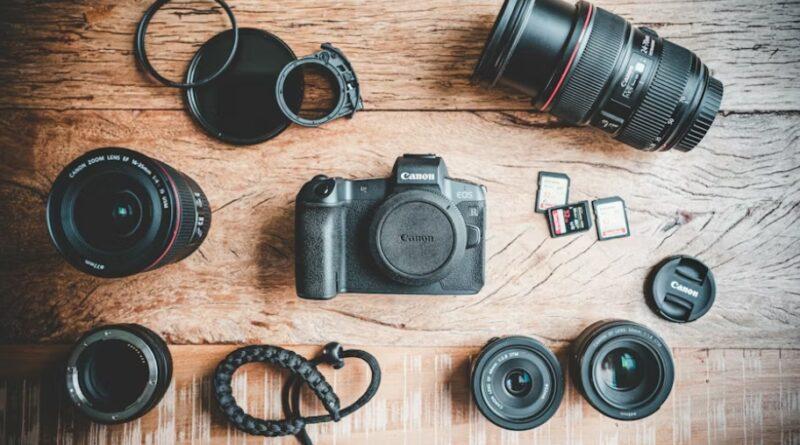
How to Choose Photography Equipment That Works for You
Building a Kit That Earns on Shoot Day
Success on paid work means delivering the shot under pressure, protecting your files, and recovering fast when something fails. I have learned that a smaller, smarter kit beats a bloated bag every time. Carrying unnecessary gear slows you down, increases fatigue during long shoots, and creates more points of failure. The goal is consistent results in unpredictable conditions, redundant media from capture to delivery, and serviceability in Australia so you avoid long downtime waiting for parts or repairs.
Treat every purchase as a business decision, not a toy. It has to meet the job requirements, be reliable based on measurable specs instead of hype, and make financial sense over the long term. Resist the temptation to buy the latest release simply because it has new features you may never actually use.
Add up the full cost, including accessories, insurance, servicing, and resale value. Factor in the cost of compatible lenses, spare batteries, and memory cards when switching systems. If you anchor decisions to those numbers, you will build a kit that pays for itself rather than draining your profits.
Starting With the Job, Not the Body
Your deliverables dictate your camera, not the other way around. Before you spend a dollar, write down exactly what you need to deliver to clients. Stills-first shooters need mechanical shutter reliability, dual card slots, and deep enough buffer performance to handle bursts during key moments.
Video-first or hybrid work needs 10-bit codecs, controlled rolling shutter, reliable autofocus tracking, and usable audio inputs. If you shoot interviews or documentaries, unlimited recording times and robust heat management become essential considerations that many photographers overlook until they are mid-shoot with an overheating body.
Why Two Bodies Make Sense
For events, two matched bodies reduce lens swaps and give instant redundancy. A second body with a different focal length already mounted lets you capture fleeting moments without fumbling through your bag. For commercial work, keep one rugged body plus a backup on-site even if you rarely touch it.
Dual card slots for redundant recording are non-negotiable for any paid work. A single card failure should never cost you a client relationship or force you to reshoot. Check CIPA-rated battery life to plan your spares and charging strategy realistically, understanding that real-world performance often falls short of lab conditions.
Autofocus, Stabilization, and Power Planning
Reliable focus and battery life are worth more than fancy labels or marketing buzzwords. CIPA standards let you compare stabilization claims and battery life across brands fairly, cutting through manufacturer exaggeration.
Test autofocus on your actual subjects, because toddlers, athletes, and products on turntables all stress a system in different ways. A camera that tracks birds flawlessly may struggle with erratic toddler movement or a bride walking down an aisle in mixed lighting. Spend time with rental gear before committing to a system purchase.
Building Your Power Budget
Use this formula: frames needed divided by CIPA-rated frames per battery, multiplied by 1.5 for safety. Live view and video drain batteries faster, sometimes cutting rated life in half or more.
Pack a dual charger and a USB-C PD bank so you can top up batteries on location between key moments. Consider keeping one battery charging at all times during events. For destination work, research power outlet compatibility and bring appropriate adapters well in advance.
Niche Kits by Assignment
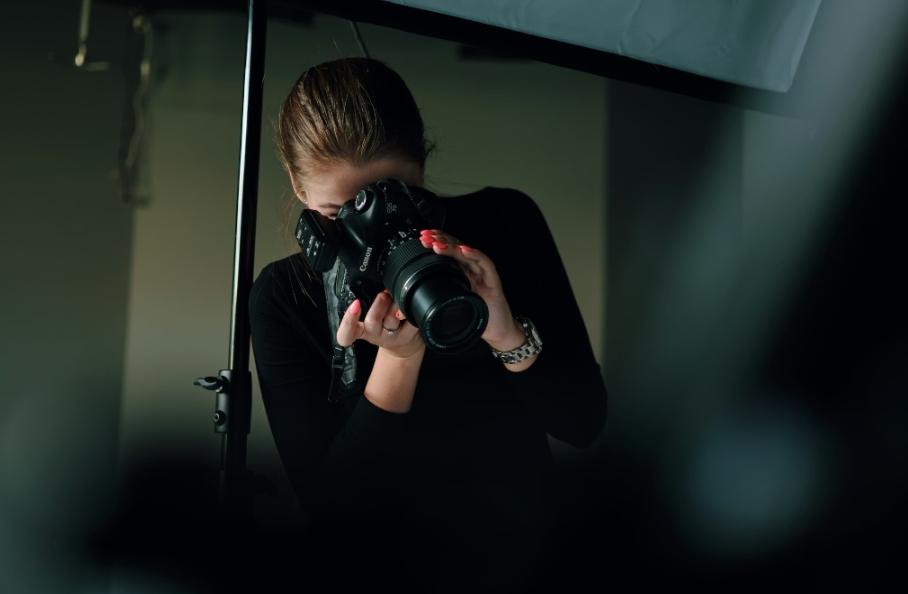
Specialty work needs targeted pieces, not full system overhauls. Each assignment type has a clear, minimal pattern that keeps you mobile and effective. Resist the urge to carry everything you own to every job.
Newborn Sessions
Continuous LED panels with high CRI reduce startle and simplify exposure compared to flash. Babies respond better to constant, soft light, and parents feel more relaxed without sudden pops of brightness. A macro lens in the 90-105mm range captures eyelashes, tiny fingers, and delicate skin texture beautifully without requiring you to hover uncomfortably close.
Keep washable wraps, posing beans, and hand sanitizer ready. Hygiene and safety come first with newborns, so establish clean protocols before every session. Warm the room for baby comfort, aiming for around 26-28 degrees Celsius. If you want to benchmark a safe, real-world setup, speak with a Melbourne newborn photographer for a look at how dedicated props, macro glass, and continuous lighting come together in practice.
Real Estate Work
An ultrawide rectilinear lens, solid tripod, and two-flash kit handle most interiors efficiently. Use remote triggers and clamps to hide lights behind furniture, bouncing light off ceilings and walls for natural-looking illumination.
Bracketed exposures plus a quick ambient plate create natural-looking composites that showcase properties without the artificial look of heavy HDR processing. Scout properties before the shoot day when possible to plan your angles and identify potential challenges like mixed lighting or tight spaces.
Lenses That Generate Revenue
Most paid work can run on a tight core of glass. A 24-70mm and 70-200mm cover ceremonies to dance floors without constant lens swaps. These two lenses handle the vast majority of event photography situations you will encounter.
Add two primes to define your look and buy ISO headroom in low light. A fast 35mm or 50mm gives you creative flexibility and performs well in dimly lit venues where zoom lenses struggle. Choose primes that complement your shooting style rather than duplicating focal lengths you already cover.
Specialty Glass for Specific Jobs
Macro lenses around 90-105mm capture rings, newborn details, and product textures with precision and beautiful rendering. These lenses also double as excellent portrait glass when you need variety.
Tilt-shift lenses correct verticals for architecture and control focus planes for food photography, creating effects impossible to replicate convincingly in post-processing. Ultrawide rectilinear lenses handle interiors cleanly without the exaggerated distortion of fisheyes, keeping vertical lines straight and rooms looking natural.
Media and Storage Essentials
Your real bottleneck is sustained write speed, not capacity. A high-capacity card means nothing if it cannot keep up with your buffer during critical moments. The SD Association’s Video Speed Class guarantees minimum sustained writes: V30 means at least 30 MB/s, V60 means 60 MB/s, and V90 means 90 MB/s.
Match your cards to your codec requirements, and buy from reputable sellers to avoid counterfeit failures that plague online marketplaces. Counterfeit cards often report false capacities and fail without warning, potentially destroying irreplaceable client work.
Printing and Presentation
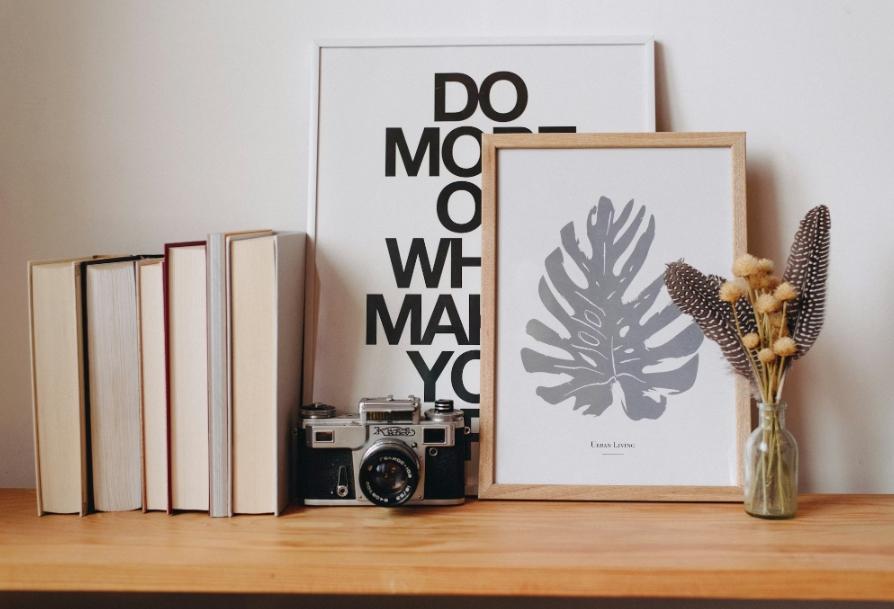
Premium presentation increases referrals and perceived value significantly. Physical products create tangible reminders of your work that digital files cannot match.
Use the correct ICC profiles for your lab or in-house printer to ensure accurate colour reproduction. Soft-proof in your calibrated editor before large orders so client work looks intentional on every surface, matching what you saw during editing.
Client Reveal Setup
Arrange top picks at eye level with consistent spacing for maximum visual impact. Use controlled neutral lighting to avoid color casts during reveals that could misrepresent your work.
When you need a quick-change wall display for studio reveals or retail pop-ups, a snap frame makes it easy to swap prints between sessions without tools or complicated mounting systems.
The Two-Copy Rule
Never format a card until two independent copies exist on separate physical drives. This simple discipline has saved countless photographers from catastrophic data loss.
Ingest to a fast NVMe SSD with checksum verification, then clone to a second drive before clearing any cards. Label cards clearly, rotate them only after verification, and keep a simple backup log noting file counts and dates. Consider cloud backup as a third layer of protection for critical client work.
Drones and Action B-Roll
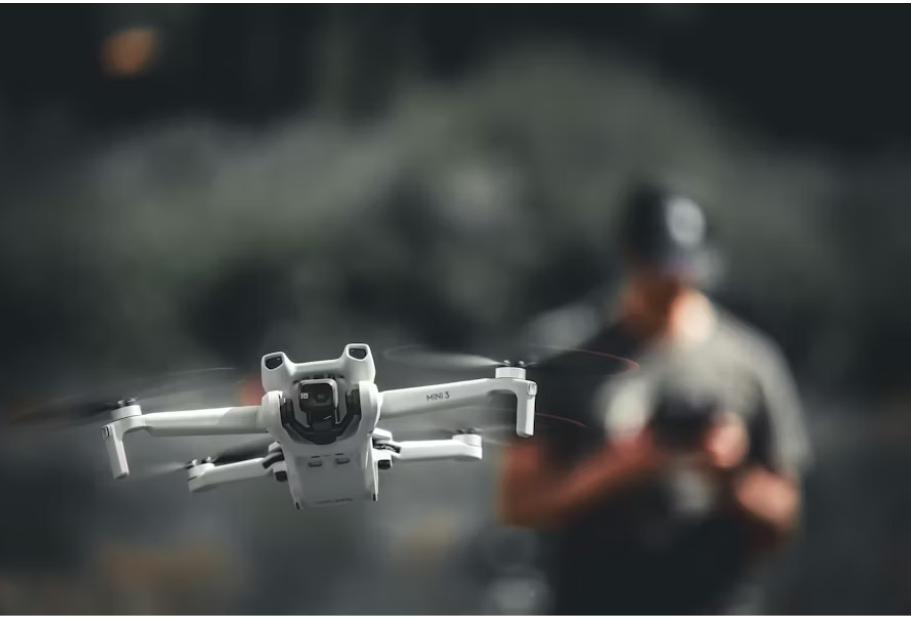
Lightweight aerial footage can lift the perceived production value of a job without massive investment in equipment or training time. Even simple establishing shots from above add visual interest that clients increasingly expect.
When selecting a drone for paid shoots, consider the type of footage you need, flight time, wind resistance, obstacle avoidance, and sensor quality. Many professionals browse DJI Drones for sale in Canada and the US to find models that suit their workflow, whether it’s a Mini, Air, or Mavic. Once you’ve chosen a platform, plan your media and power.
Card compatibility matters more than most people expect, and mismatched cards cause dropped frames and corrupted files that ruin otherwise perfect footage.
Getting Card Choice Right
DJI specifies UHS-I V30 microSD for Mini-class drones. Match or exceed the host’s indicated speed class to maintain sustained write performance throughout your flights.
Format cards in-camera before flights and avoid mixing different speed classes on the same mission. For drone and action-cam shoots, a simple way to meet V30 requirements is to source SanDisk microSD cards so your Mini-class drone records reliably without dropped frames or recording interruptions.
Legal Basics
Confirm licensing and sub-2kg rules in your region before flying commercially. Review no-fly zones and local council restrictions for every location, as rules vary significantly between areas.
Maintain visual line of sight at all times, respect privacy laws, and carry your operator ID so you are ready for on-the-spot checks from authorities. Build flight planning into your pre-shoot workflow to avoid surprises on the day.
Audio That Saves Your Edits
Clean audio saves you from painful reshoots and messy edits that eat into your profit margins. Poor audio is often more noticeable to clients than minor video imperfections.
Quality lavs with wind protection handle vows and interviews reliably in varied conditions. Shotgun mics on-camera capture B-roll ambience and natural sound, while handheld dynamics work well in loud environments like receptions or conferences. Always monitor audio with headphones during recording to catch problems immediately.