How Modern Retail Technology Is Reshaping In-Store Customer Experiences
Retail has always been shaped by customer expectations. From storefront design to checkout speed, every detail influences how shoppers perceive a brand. In recent years, technology has become one of the most powerful tools retailers use to improve in-store experiences while maintaining operational efficiency.
Modern retail systems now connect inventory, payments, and customer data in ways that were not possible before. For physical stores competing with ecommerce convenience, these tools play a critical role in creating smooth, memorable shopping journeys.
The Changing Role of Brick-and-Mortar Stores
Physical retail is no longer just about product availability. Customers walk into stores expecting efficiency, clarity, and personalization.
Today’s shoppers value:
- Faster checkout experiences
- Accurate product availability
- Consistent pricing across channels
- Flexible payment options
Retailers that adapt to these expectations are better positioned to retain customers and increase repeat visits.
Why Technology Matters at the Point of Sale
The checkout counter remains one of the most influential moments in the shopping experience. Delays, errors, or confusion can leave lasting negative impressions.
Modern POS systems help retailers:
- Reduce transaction times
- Minimize pricing errors
- Track customer preferences
- Maintain real-time inventory accuracy
These improvements directly affect customer satisfaction while also supporting internal operations.
Inventory Accuracy and Customer Trust
Few things frustrate customers more than discovering an item is out of stock after investing time in browsing. Inventory accuracy plays a major role in trust.
Retail technology improves inventory management by:
- Updating stock levels automatically after each sale
- Synchronizing inventory across locations
- Supporting timely restocking decisions
Reliable inventory data ensures customers can shop with confidence, both in-store and online.
Personalization Through Data-Driven Retail Tools
Personalized shopping experiences were once limited to high-end retailers. Today, even small businesses can tailor interactions using data collected at checkout.
Retail systems can support personalization by:
- Tracking purchase history
- Identifying popular products
- Offering targeted promotions
These insights help staff engage customers more effectively without being intrusive.
Payment Flexibility as a Customer Experience Factor
Payment options are now part of the overall shopping experience. Customers expect choices, whether they prefer cards, mobile wallets, or contactless payments.
Retailers benefit when payment systems:
- Support multiple payment methods
- Process transactions quickly
- Reduce friction at checkout
Disruptions at this stage can overshadow otherwise positive shopping experiences.
Integrating Retail Operations Across Channels
Many retailers now operate across physical stores, ecommerce platforms, and social selling channels. Consistency across these touchpoints is essential.
Integrated retail systems help businesses:
- Maintain consistent pricing
- Share inventory data across channels
- Align promotions and sales strategies
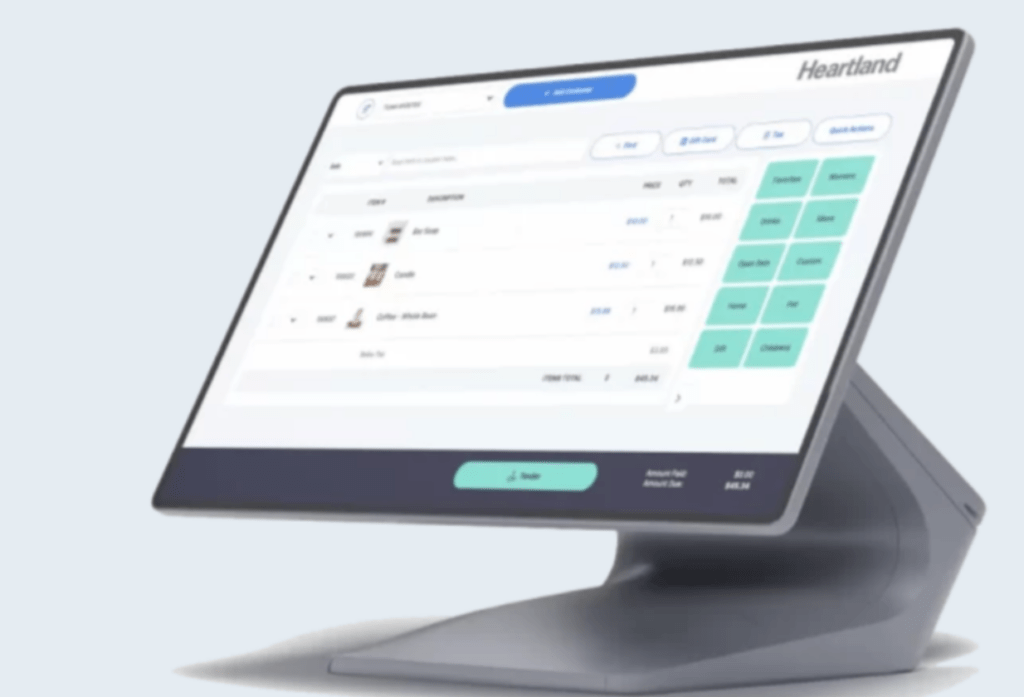
Solutions such as heartland retail are often discussed in conversations around unifying in-store and digital operations without creating additional complexity for staff.
Staff Efficiency and Customer Engagement
Technology also affects how staff interact with customers. When systems are intuitive and reliable, employees can focus more on service rather than troubleshooting.
Retail technology supports staff by:
- Simplifying training processes
- Reducing manual tasks
- Providing quick access to product information
Empowered employees contribute directly to better customer experiences.
Scalability for Growing Retail Brands
Retail businesses that plan to expand need systems that can grow alongside them. Scalability ensures that adding locations or increasing transaction volume does not disrupt operations.
Scalable retail systems offer:
- Centralized reporting
- Multi-location inventory management
- Consistent customer experience across stores
Choosing adaptable technology early helps retailers avoid costly transitions later.
The Role of Payment Infrastructure in Retail Experiences
Behind every smooth checkout experience is reliable payment infrastructure. Retailers depend on systems that support secure, efficient transactions without slowing operations.
Smart Payment Solutions contributes to this environment by focusing on payment technologies that integrate smoothly with modern retail systems. By emphasizing secure processing and operational flexibility, the company supports retailers looking to maintain consistent checkout experiences while adapting to evolving customer payment preferences.
Measuring the Impact of Retail Technology
Retailers increasingly rely on data to evaluate performance. Technology enables better measurement of what works and what needs improvement.
Key metrics include:
- Average transaction time
- Conversion rates
- Customer return frequency
- Inventory turnover
These insights guide smarter business decisions and long-term planning.
Final Thoughts
Modern retail technology has become a cornerstone of positive in-store experiences. From inventory accuracy to payment flexibility, the right systems influence how customers perceive a brand long after they leave the store.