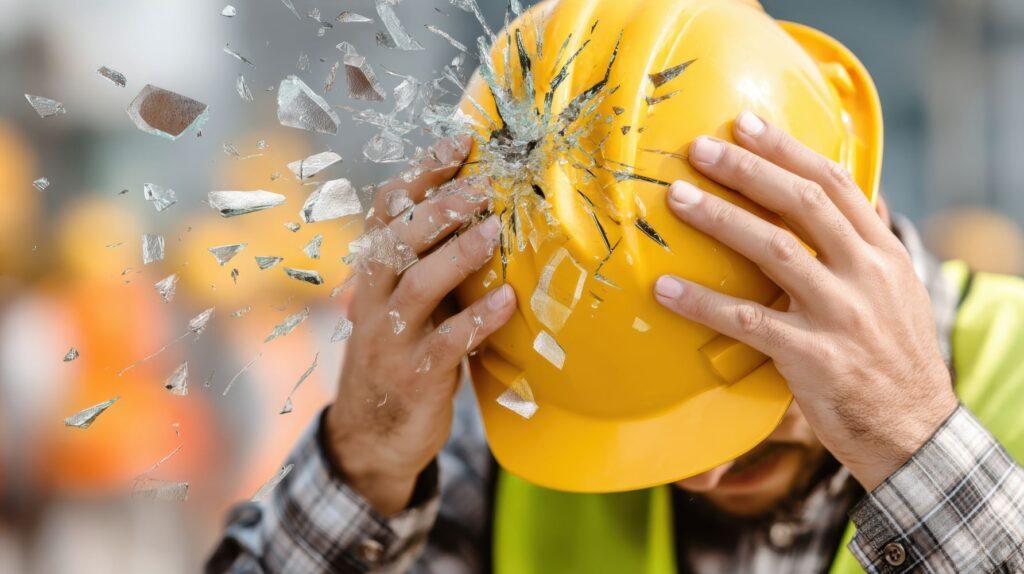
When a Construction Debris Accident Becomes a Legal Issue
Construction sites are inherently dynamic and hazardous environments. Among the myriad risks present, debris, whether falling, improperly stored, or negligently discarded, poses a significant danger to workers, pedestrians, and neighboring properties. While many debris-related incidents are resolved through workplace safety protocols and insurance, certain circumstances can escalate the situation into a complex legal matter. Understanding when a construction debris accident transitions from an unfortunate event to an actionable legal case is crucial for protecting the rights of those injured.
Here’s when a construction debris accident becomes a legal issue:
When Multiple Parties Share Liability
A construction site involves numerous entities, including the property owner, general contractor, multiple subcontractors, equipment suppliers, and architects. The fragmentation of responsibility can complicate accident investigations. A debris accident becomes a legal issue when it’s unclear which party’s negligence directly caused the incident. For example, if a subcontractor’s employee improperly stacks materials that later fall, but the general contractor failed to enforce site-wide safety standards, both may share liability.
Similarly, if defective scaffolding or containment netting supplied by a third party fails, that manufacturer may also be held responsible. In such scenarios, untangling the chain of causation requires thorough investigation, typically necessitating legal intervention to identify all potentially liable parties and ensure the injured party receives full compensation. During this complex process, consulting a knowledgeable construction accident lawyer can be instrumental in navigating claims against multiple defendants.
When a Worker is Denied Proper Compensation
Even when a construction worker is injured by debris, the path to fair compensation isn’t always straightforward. While workers’ compensation is typically the exclusive remedy for job-related injuries, there are critical exceptions that create a legal issue. If the debris accident was caused by a party other than the direct employer (a “third party”), the injured worker may have the right to file a separate personal injury lawsuit.
Furthermore, if the employer intentionally caused harm or failed to secure mandated workers’ compensation insurance, the worker may step outside the no-fault system. Disputes also arise when insurance carriers wrongfully deny claims or offer settlements that don’t cover long-term medical needs and lost earning capacity. In these challenging circumstances, securing representation from a dedicated personal injury lawyer is typically essential to challenge denials and fight for a recovery that addresses both current and future hardships.
When Gross Negligence or Willful Violations Are Present
Not all accidents stem from simple human error. A situation can escalate into a more severe legal issue when evidence points to gross negligence or intentional disregard for safety regulations. This occurs when a responsible party knowingly violates OSHA standards, such as failing to install required debris chutes, neglecting to secure materials at height, or removing safety netting to expedite work. It also includes instances where debris is deliberately thrown or dropped from an elevation without ensuring the area below is clear.
Such egregious conduct can strengthen a civil claim for damages and may also lead to regulatory fines and, in extreme cases, criminal charges. Proving gross negligence can significantly impact the outcome of a case, often allowing for the pursuit of punitive damages designed to punish the wrongdoer and deter future misconduct.
When Injuries to Non-Workers Occur
Construction debris doesn’t respect site boundaries. Falling tools, flying particles, or collapsing materials can injure pedestrians, visitors, or occupants of adjacent properties. When victims aren’t employees of the construction company, the legal landscape can shift dramatically. These individuals can’t file for workers’ compensation and must instead pursue a traditional third-party liability claim.
The legal issue arises in establishing that the construction entity owed a duty of care to the public and breached that duty through unsafe practices. For instance, inadequate sidewalk shedding, poorly secured fencing, or failure to control dust and flying debris can all form the basis of a premises liability or general negligence lawsuit. The standards for proving fault are different and often require demonstrating foreseeable harm to the public.
When Long-Term or Catastrophic Injuries Result
The severity of the injury is a primary factor in determining when a debris accident becomes a serious legal matter. Injuries from falling debris, such as traumatic brain injuries, spinal cord damage, severe fractures, or permanent disfigurement, have life-altering consequences. These cases involve substantial economic and non-economic damages, including protracted medical care, rehabilitation, loss of future income, and immense pain and suffering. Insurance companies can frequently minimize these long-term costs in early settlement offers.
Therefore, a legal claim becomes necessary to accurately project future needs, employ medical and vocational experts, and ensure a settlement or verdict provides sustainable financial security for the victim and their family. The high stakes involved can necessitate meticulous legal preparation and advocacy.
When Evidence Preservation is Critical
The transient nature of construction sites means that evidence can quickly disappear. Materials are moved, debris is cleaned up, and the scene returns to normal work. A potential legal issue is solidified the moment it becomes clear that critical evidence must be formally preserved. This includes photographic and video evidence of the scene, the debris itself, equipment involved, safety logs, and crew manifests.
An attorney can take immediate steps to send preservation letters to all parties, preventing the routine destruction of documents and physical evidence. They can also commission site inspections by safety experts who can reconstruct the event and identify code violations. Without swift action, the opportunity to build a compelling case may be lost.
Key Takeaway
A construction debris accident evolves into a legal issue when the complexities of liability, severity of injury, disputes over compensation, or the involvement of non-workers intersect. These situations move beyond simple insurance claims into the realm of formal litigation, where establishing duty, breach, causation, and damages requires legal expertise.
Recognizing these pivotal “when” factors can enable injured parties and their families to take timely and appropriate action to safeguard their rights and pursue the justice and compensation warranted by their losses.