What Families Should Expect From Assisted Living Communities
What is Assisted Living for Seniors?
Assisted living communities provide a supportive environment for seniors who need a little help with daily tasks but want to maintain their independence. It’s not a nursing home; instead, it’s a place where residents can live in their own apartments or rooms, receiving assistance with things like bathing, dressing, and taking medication. The main goal is to offer a balance, giving residents the support they need while letting them live life on their own terms. This type of living arrangement is designed for individuals who are mostly independent but could benefit from a safety net and some help. Understanding what is assisted living for seniors also means recognizing that costs can vary based on care level and services, as outlined in the assisted living cost breakdown explained by The Seville.
Balancing Support and Independence
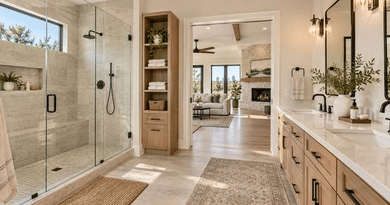
Assisted living communities are built around the idea of supporting residents without taking away their freedom. Think of it as having help available when you need it, but not being constantly managed. Residents have their own private spaces, like apartments, where they can bring their own furniture and decorate as they please. This personal touch helps make the space feel like home. The community also provides opportunities for social interaction and activities, but participation is always optional. The focus is on respecting each resident’s choices and preferences.
Empowering Residents for a Fulfilling Life
These communities aim to help seniors live a full and meaningful life. This means encouraging them to keep up with hobbies, try new things, and stay connected with others. Staff members are trained to assist residents in ways that promote dignity and self-respect. By providing personalized care plans and a variety of engaging activities, assisted living helps residents feel capable and valued. It’s about creating an atmosphere where seniors can continue to grow and enjoy their lives, feeling a sense of purpose each day.
Daily Life and Personal Care
A Structured Yet Flexible Daily Schedule
Life in an assisted living community often follows a predictable rhythm, but it’s not rigid. Mornings usually start with breakfast in a common dining area. The meals are planned to be nutritious and can be adjusted for different dietary needs. After breakfast, there are usually options for activities. Think light exercise, group chats, or maybe a planned trip out. Residents can pick what they want to do or just relax. This balance means everyone can find their own pace.
Personalized Care and Support Services
What sets assisted living apart is the personal touch. Staff are trained to help with things like bathing, getting dressed, and remembering to take medications. Each person gets a care plan made just for them. This plan focuses on helping them stay as independent as possible while still getting the support they need. For families, this means knowing their loved one is looked after, which can bring a lot of peace of mind.
The goal is to support independence while providing necessary assistance, making daily living more manageable and enjoyable.
Assistance with Daily Activities
Many seniors find that everyday tasks become harder over time. Things like cooking, cleaning, or even just getting around the house can be a challenge. Assisted living communities are set up to help with these activities of daily living. This could mean help with personal hygiene, dressing, or moving from one place to another. The aim is to make sure residents can live comfortably and safely, without the stress of managing these tasks alone. This kind of support is a big reason why families consider assisted living.
Fostering Social Connections and Well-Being
The Importance of Social Interaction
Loneliness can be a real problem for seniors, especially if they live alone. Assisted living communities are set up to help with this. They create a place where people can meet others and build friendships. Staying connected socially is just as important as physical health for a good life. It helps keep minds sharp and spirits up. When people feel like they belong, they tend to be happier and healthier overall. This focus on social connection is a big part of what makes assisted living work well.
Engaging Activities and Community Events
Life in an assisted living community is usually full of things to do. You’ll find a schedule packed with activities designed for different interests. Think game nights, book clubs, art classes, and even gardening. These aren’t just ways to pass the time; they’re opportunities to learn new things and meet people. Meal times are also big social events. Sharing a meal together gives residents a chance to chat and get to know each other better. Many communities also have special parties for holidays or birthdays, which really brings everyone together.
Prioritizing Physical and Mental Wellness
Assisted living communities pay close attention to keeping residents healthy, both in body and mind. Many places have gyms or outdoor areas for gentle exercise. Group walks or fitness classes are common. Keeping the body moving is important, but so is keeping the mind active. You might see programs focused on memory, like puzzles or learning new skills. Music therapy and educational talks are also popular. These activities help residents stay engaged and can make a big difference in their overall well-being. It’s all about supporting a full and active life.
Integrated Healthcare Services
Access to On-Site Medical Professionals
Assisted living communities understand that health is a top priority. Many communities have nurses or other medical staff available right on the premises. This means quick access to help if something unexpected happens. It’s not just about emergencies, though. These professionals can also help manage ongoing health needs, like checking blood pressure or changing bandages. Having medical support close by gives families peace of mind.
Seamless Healthcare Coordination
Coordinating doctor’s appointments, therapy sessions, and prescription refills can become a real challenge for families. Assisted living communities often step in to help with this. They can schedule appointments and even arrange transportation to and from medical facilities. This healthcare coordination makes life much simpler for residents and their loved ones. It helps make sure that residents get the care they need without the usual hassle.
Specialized Care Programs
Some residents may have specific health conditions that require extra attention. Assisted living communities can offer specialized programs for things like memory care, for example care home nuneaton for those with Alzheimer’s or dementia. These programs are designed with the unique needs of these residents in mind. They provide a safe and supportive environment, along with activities tailored to help residents stay engaged and comfortable. This focused approach to care helps residents maintain their dignity and quality of life.
Making the Transition to Assisted Living
Tips for Families Considering Assisted Living
Moving a loved one into an assisted living community is a big step. It’s natural for families to feel a mix of emotions. The key is to approach this change with preparation and open communication. Thinking ahead about what to expect can make the process smoother for everyone involved. This transition is about finding a supportive environment where your loved one can continue to live well.
When considering assisted living, families should look at a few things. First, think about the resident’s current needs and what might change in the future. It’s also important to consider the financial aspects and what services are included. Gathering all necessary documents early on can prevent delays and stress later. This includes medical records, financial information, and any legal documents like power of attorney.
Here are some practical steps families can take:
- Visit multiple communities: Don’t settle for the first place you see. Tour several facilities to get a feel for the atmosphere and staff.
- Involve your loved one: If possible, let your family member have a say in the decision. Their comfort is paramount.
- Ask detailed questions: Inquire about staff training, resident-to-staff ratios, meal options, and the activity calendar.
Involving Your Loved One in the Decision
It’s really important to include your family member in the decision-making process for assisted living. While families might see the need for a change, the resident’s feelings and preferences matter a lot. Talking openly about the move, listening to their concerns, and addressing them directly can make a big difference. This isn’t just about finding a place to live; it’s about respecting their autonomy and dignity.
Start by having a calm conversation. Explain why you’re thinking about assisted living and what benefits it could bring, like more social opportunities and help when needed. Then, listen. Let them share their thoughts, fears, or hopes. Sometimes, just being heard can ease a lot of anxiety. If they are able, visiting communities together can also be very helpful. Seeing the environment firsthand can help them visualize their new life.
Making the transition to assisted living is a shared journey. By working together, families can help their loved ones feel more secure and positive about this new chapter.
Preparing for a Smooth Transition
Once a community is chosen, preparing for the move itself is the next step. This involves practical arrangements and emotional support. Think about what items your loved one will want to bring to make their new space feel like home. Personal touches can make a significant difference in how comfortable they feel.
Coordinate with the assisted living staff about the move-in date and time. They can often help with the logistics of moving belongings and setting up the new living space. It’s also a good idea to introduce your loved one to key staff members before the official move-in day, if possible. This can help build initial connections and reduce feelings of being overwhelmed.
Regular communication with the community after the move is also key. Stay in touch with the staff to get updates on how your loved one is settling in. Plan visits soon after they move, and continue to visit regularly. Your presence and continued involvement show your loved one they are still a priority and that you are there to support them through this transition.
Choosing the Right Community
Touring Potential Communities
Visiting a community in person is a big deal. It’s the best way to get a feel for the place. You can see if it’s clean, if the staff seems friendly, and if the residents look happy. Don’t just go to one; check out a few different places. See how the staff talks to the residents. Are they respectful? Do they seem to know everyone?
Look for a place that feels welcoming and safe. This is where your loved one will be living, so it needs to feel right. Ask questions during your tour. What’s the general vibe? Does it seem like a place where someone could really live and not just exist?
It’s also smart to visit at different times of the day if you can. A community might seem lively during the day but quiet at night. This helps you get a fuller picture of what daily life is like. Remember, the goal is to find a community that fits your loved one’s personality and needs.
Understanding Costs and Value
Figuring out the money side of things can be tricky. Costs for assisted living can change a lot based on what kind of help someone needs, the size of their room, and where the community is located. It’s important to get a clear breakdown of all the charges. Ask about what’s included in the base price and what costs extra.
Think about the value you’re getting. Sometimes, paying a bit more for a community that offers more activities, better food, or more attentive staff can be worth it in the long run. Compare what different places include. Does one community handle all utilities and maintenance, saving you hassle and money compared to owning a home?
Don’t be afraid to ask for a detailed price list and understand the payment structure. This helps avoid surprises down the road and makes sure you’re making a sound financial decision for your family.
Consider if there are options for short-term stays or respite care. This can be a good way to try out a community before committing long-term, or to get support when a regular caregiver needs a break. It’s a flexible way to see if assisted living is the right fit.
Assessing the Community Environment
When you’re looking at assisted living communities, the environment matters a lot. It’s not just about the physical building; it’s about the atmosphere and how people interact. Is it a place where residents seem engaged and happy, or do they look bored and isolated? Pay attention to the common areas – are they clean, inviting, and well-used?
Think about the activities offered. Are they varied and interesting? Do they cater to different interests and abilities? A good community will have a schedule that offers opportunities for social interaction, physical activity, and mental stimulation. It’s about finding a place that supports a fulfilling life, not just basic care. This is a key part of choosing the right assisted living program.
Look at the resident-to-staff ratio. A lower ratio often means more personalized attention for each resident. How do the staff members interact with the residents? Do they seem patient, kind, and respectful? These interactions are a strong indicator of the overall quality of care and the community’s culture. Finding the right assisted living community means finding a place that feels like home.
Family Involvement and Support
Open Communication with Staff
Keeping the lines of communication open with the assisted living staff is really important. Families should feel comfortable asking questions, sharing concerns, and getting updates on their loved one’s well-being. Most communities make it a point to keep families informed about daily life and any changes in a resident’s condition. Regular check-ins, whether in person or over the phone, help build a strong partnership. This open dialogue ensures everyone is on the same page, working together for the resident’s best interest.
Encouraging Family Visits and Events
Family visits are a big part of making an assisted living community feel like home. Seeing familiar faces and spending quality time together can significantly boost a resident’s spirits. Many communities actively encourage visits and even host special events, like holiday gatherings or summer barbecues, where families can join in. These events not only provide a chance for connection but also allow families to see the vibrant community life their loved one is a part of. It’s about creating a sense of belonging for both the resident and their extended family.
Collaborative Support for Residents
Assisted living is a team effort, and that team includes the family. Working together with the community staff means creating a unified support system for the resident. This collaboration can involve sharing insights about the resident’s preferences, history, or specific needs that might not be immediately apparent. When families and staff collaborate, they can better anticipate challenges and celebrate successes. This shared approach to care helps ensure the resident receives personalized attention and feels truly supported in their new environment. This kind of family involvement is key to a positive experience.
A New Chapter of Comfort and Connection
Ultimately, assisted living communities aim to provide a supportive setting where seniors can keep their independence while getting help when they need it. It’s about finding a place that feels like home, with people who become like family. For families, knowing their loved one is in a safe, engaging environment can bring a lot of peace of mind. The goal is to help seniors live their best lives, with opportunities to stay active, socialize, and receive care tailored just for them. Making the move to assisted living is a big step, but it can open the door to a more comfortable and connected chapter for everyone involved.