How Shade Solutions Improve Comfort and Safety in Urban Spaces
Cities often feel like heat traps. Concrete and asphalt soak up the sun during the day and keep holding onto that heat long after it gets dark. This creates an environment where simply walking down a sidewalk or sitting at a park bench becomes a physical chore. When we design urban areas, we have to think about how people actually experience the heat. It is about making these spaces usable for everyone. Effective shade changes the way we interact with our surroundings.
Creating Relief in Busy Areas
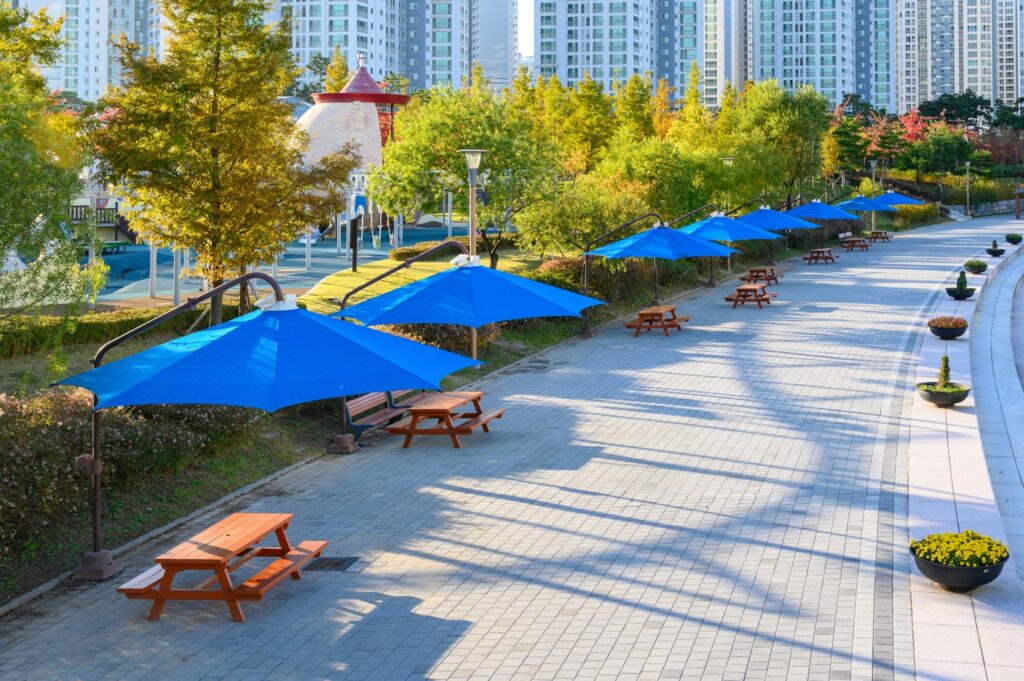
People naturally avoid areas where the sun beats down without any break. High-quality umbrella shade solutions provide immediate relief because they block direct solar radiation. These setups work well because they fit into tight spots where planting a large tree might not be possible due to underground utilities. You see these used frequently in outdoor dining areas where comfort directly affects how long a person stays. These structures can turn an empty pavement into a functional gathering spot.
Health and Sun Safety
Exposure to the sun is a serious health concern in city planning. Long periods spent in outdoor spaces without cover increase the risk of skin damage and heatstroke. Installing structures that offer high UV protection is a practical health measure. It is particularly important near playgrounds or public gyms where people are active.
Using materials like architectural fabric allows planners to block harmful rays while still letting some natural light filter through. It is a straightforward way to protect the public without needing complex mechanical systems.
Flexibility in Modern Design
Sometimes, the sun is only a problem during specific hours of the afternoon. Retractable awnings give property owners the ability to adapt to the weather in real time. You can roll them out when the heat peaks and tuck them away when the sky is overcast or during the winter months.
For temporary events like weekend markets, a pop-up canopy offers a quick fix that workers can assemble and dismantle without heavy machinery. These portable options ensure that even short-term installations prioritize the comfort of the visitors.
Residential and Small-Scale Integration
Shade is just as important in private residential areas that border urban centers. Homeowners often struggle with small yards that get too much sun. A simple patio umbrella can make a small balcony or deck feel like an extra room.
If the goal is a more permanent structure, sun sails offer a modern look that covers larger sections of a yard without taking up much floor space. Unlike a traditional porch, tension sails use high-strength cables to stay taut, which helps them handle wind better than loose fabrics.
Technical Elements of Installation
Putting up a shade structure involves more than just picking a fabric color. The installation process requires a solid understanding of wind loads and structural integrity. For larger commercial setups, the support poles must be anchored deep into the ground to ensure they do not shift during a storm. Engineers have to calculate the angles of the sun to place the covers in the right spots.
While custom designs might take longer to manufacture, they allow for a perfect fit in oddly shaped urban nooks. Dealing with a company that prioritizes reliable customer service helps navigate the local building codes and permits required for these permanent fixes.
Enhancing Evening Usability
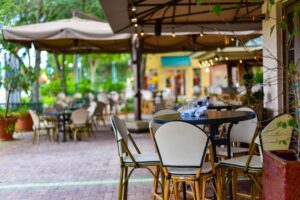
A well-shaded area should not become useless once the sun goes down. Many modern shade structures now incorporate lighting directly into the frame. Hanging string lights from the underside of a canopy creates a safe environment for people walking home at night. This extends the life of the space past daylight hours. In high-end developments, pool cabanas or specialized garden rooms serve as quiet retreats that provide both privacy and security. By adding light, these areas remain visible and discourage loitering in dark corners, which contributes to the overall safety of the neighborhood.
Innovative Materials and Airflow
Air circulation is vital when you are trying to cool down a large group of people. A solid roof can sometimes trap hot air underneath it, making the space feel humid. A slatted roof or a pergola-style setup allows heat to rise and escape through the gaps. This design still provides significant shade while encouraging a breeze to move through the area.
People are increasingly looking for ways to create an eco-friendly backyard or public park, and choosing durable, recyclable materials is a big part of that. Adding these elements brings a sense of overhead elegance to a project without being overly flashy or expensive. It is about choosing the right tool for the specific environment.
Summing It Up
Urban shade is a practical necessity that bridges the gap between architectural design and human health. By integrating these structures into our streets and plazas, we make cities more resilient to rising temperatures and more welcoming for the people who live in them. Prioritizing comfort through effective cover ensures that public spaces remain active and safe throughout the day. Investing in these solutions is a straightforward way to improve the quality of life in any metropolitan area.