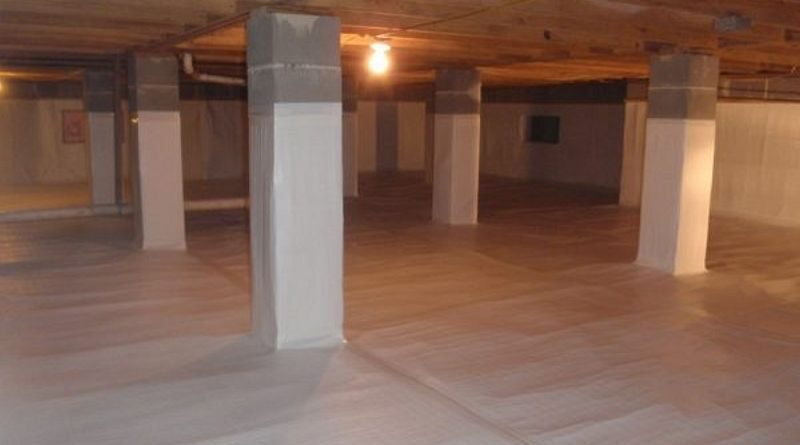
Why Sealing a Crawl Space Changes More Than Moisture Levels
Many homeowners view crawl space remediation solely through the lens of moisture control, aiming simply to prevent standing water or wood rot. While eliminating dampness is a primary goal, sealing a crawl space, known as encapsulation, initiates a profound, whole-house transformation. This process moves the crawl space environment from being an exterior, vented space into a clean, conditioned part of the home’s thermal envelope.
The benefits reach far beyond the foundation, fundamentally improving energy efficiency, air quality, and structural longevity. The comprehensive nature of encapsulation, which involves sealing vents, installing a heavy-duty vapor barrier, and often adding a dehumidifier, fundamentally changes the dynamics of how the entire home interacts with its environment.
This shift eliminates the destructive mechanisms of humidity and condensation that plague traditional crawl spaces. Crawl space encapsulation is therefore an investment in the entire property, securing not just the foundation supports but also the living environment and the overall durability of the home.
How Sealed Environments Alter Air Movement
Sealing the crawl space drastically alters the pattern of air movement within the home. In a vented crawl space, the stack effect causes humid, unfiltered air to be drawn upward into the living areas. Encapsulation eliminates this source of contaminated air by sealing off the vents and creating a closed system.
Once sealed, the space is often conditioned by connecting it to the home’s HVAC system or using a dedicated dehumidifier. This ensures that the air being drawn into the home from below is regulated, filtered, and much drier than the air previously entering from the outside.
This regulated environment significantly reduces the intrusion of allergens, mold spores, and pollutants from the ground below, leading to a demonstrable improvement in the indoor air quality throughout the entire house.
How Moisture Control Protects Structural Components
Controlling moisture below the floor line is the single most effective way to protect the home’s foundational and structural components from decay. Wood, when kept below a 20% moisture content threshold, is resistant to wood rot fungus and termites. Encapsulation ensures the wood framing remains consistently dry.
By isolating the wood from the damp earth and humid exterior air, the structural integrity of joists, girders, and sill plates is preserved for decades. This prevents the softening, warping, and sagging that characterize homes with wet crawl spaces, avoiding the need for expensive and disruptive structural repairs like beam replacement.
A dry crawl space stabilizes the structure, extending the serviceable lifespan of every wooden component that supports the home above.
How Encapsulation Stabilizes Interior Conditions
The stabilization of the environment below has a direct and beneficial impact on interior comfort and conditions. By preventing cold, damp air from entering the home, encapsulation helps maintain a more consistent temperature on the first floor, reducing the feeling of “cold spots” in winter.
The reduction of internal humidity also makes the home’s air easier to condition. The HVAC system no longer needs to work as hard or run as long to remove excess moisture from the air, often leading to noticeable decreases in utility bills, especially during humid summer months.
Furthermore, a stable moisture content in the framing and subfloor can help preserve interior finishes, reducing issues like warped hardwood floors and stress cracks in drywall caused by fluctuating humidity.
Explore Long-Term Impacts on Durability and Comfort
The long-term impacts of crawl space encapsulation are centered on enhanced durability and continuous comfort. By removing the primary driver of structural degradation (moisture), the homeowner significantly increases the lifespan of major components and reduces the frequency of unexpected repairs.
This investment contributes directly to maintaining the home’s resale value, as a clean, dry, encapsulated crawl space is a significant asset that signals a well-maintained property to potential buyers.
The continuous benefit of improved air quality and thermal consistency results in a far more comfortable, healthier, and energy-efficient living environment for the occupants over the duration of their homeownership.