Why Knowing Car Accident Statistics Is Important
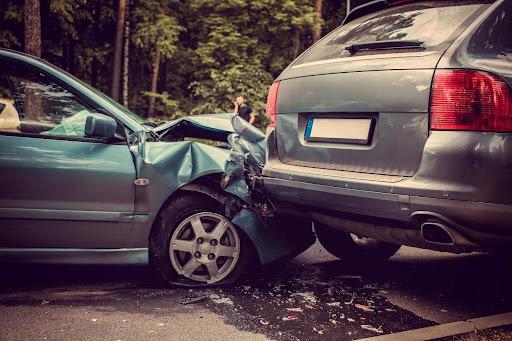
No individual wants to be involved in a car accident. From busy highways to quiet neighborhood streets, car collisions affect drivers, passengers, pedestrians, and families in lasting ways. Did you know that, on average, a car driver will face three to four accidents in their lifetime? Many car accidents happen close to home and under seemingly safe conditions, which underscores the unpredictable nature of driving.
Across the U.S., car accident statistics show the crash patterns that many drivers experience. Those numbers and frequencies are more than data points; they indicate the real injuries, lives lost, and families forever changed caused by the car accidents. Knowing how, where, and when most car collisions happen can help you make better choices on the road.
Understanding the car accident statistics can help many individuals, policymakers, and communities better understand road safety problems and take informed action. These numbers might not seem exciting, but they can actually help keep you safe.
Understanding Car Accident Statistics
Car accident statistics are organized and collected reports and data that indicate how, where, and why car crashes are happening. They are generally gathered by law enforcement, transportation departments, and safety organizations.
These car crash statistics often include information such as
- Number of car crashes per year
- Common causes of car accidents in each locality
- Locations with a high rate of accidents
- Injuries and fatalities count
- Age groups most affected
- Times and days when crashes are more frequent
Gathering and organizing the information shows a clear picture of road safety trends and risks.
Why Car Accident Statistics Are Essential to Know
Understanding car accident information across all states of the U.S. helps every individual see a few things about road safety and safe driving. Instead of viewing crashes as random events, statistics indicate the patterns that can be addressed and prevented.
Here’s why this information is so important:
- Knowing common causes like speeding, impaired driving, or distracted driving encourages safer habits by improving driver awareness, too.
- Statistical information helps professional legal persons create rules that target real problems and support better laws.
- High-risk regions can be redesigned to reduce the car accident rates.
- Statistics help various individuals and communities understand local safety concerns.
How Car Accident Statistics Are Used
Car accident records play a crucial role in various individuals’ decisions that affect their daily lives. Here’s how it’s commonly used, step by step.
- Police reports, hospital records, and insurance claims are gathered and organized as the individual record based on locality after accidents occur.
- Analysis of accident patterns will help a lot, which is why many experts review the data to identify trends such as frequent car crash locations or common causes.
- Identification of risk factors, such as high-risk behaviors, vehicles, or road conditions, is identified through repeated patterns.
- Planning safely will prevent people from various dangerous conditions. Transportation agencies use the data to improve road design, signage, and traffic flow.
- Legal professionals rely on car accident statistics to assist in laws related to seat belts, speed limits, or drunk driving.
- Public education is essential. Various safety campaigns are organized using real data to raise awareness and change behavior.
Conclusion
In summary, car accident statistics are more than just numbers—they are vital tools that help improve road safety, inform effective policies, and encourage responsible driving. By understanding these patterns, we can all contribute to safer roads and protect lives.
Key Takeaways
- Car accident data and information indicate the accident patterns that help prevent future crashes.
- Data supports safer roads, stronger laws, and better public awareness.
- Drivers who understand accident trends make safer choices.
- Knowing the records turns information into protection.