Top Solutions for Plantar Fasciitis Relief: What Works and Why
Plantar fasciitis is one of the most common causes of heel pain, affecting runners, people who stand for long hours, and those with foot structure issues such as flat feet or high arches. The condition occurs when the plantar fascia, a thick band of tissue that runs along the bottom of the foot, becomes irritated or inflamed. Pain is often worst in the morning or after long periods of rest, making daily activities uncomfortable and frustrating. Fortunately, there are proven solutions that help reduce pain, speed healing, and prevent flare-ups. Understanding what works and why can make a significant difference in long-term recovery.
Understanding the Root Cause of Plantar Fasciitis
Before choosing a treatment, it is important to understand why plantar fasciitis develops. Repetitive stress on the plantar fascia can create small tears, leading to inflammation and pain. Common contributing factors include improper footwear, tight calf muscles, sudden increases in activity, excess body weight, and poor foot mechanics. Effective solutions focus on reducing strain on the fascia, improving foot support, and promoting tissue recovery rather than masking symptoms alone.
Stretching and Flexibility Exercises
Stretching is one of the most effective and affordable ways to relieve plantar fasciitis pain. Tight calf muscles and Achilles tendons increase tension on the plantar fascia, worsening discomfort. Regular stretching helps reduce this tension and improves overall foot mobility.
Calf stretches, plantar fascia stretches, and toe stretches are particularly beneficial. Stretching first thing in the morning and before physical activity can significantly reduce pain. Over time, increased flexibility helps prevent reinjury and supports long-term healing by allowing the foot to move more naturally with less stress.
Supportive Footwear and Orthotics
Footwear plays a critical role in both the development and recovery of plantar fasciitis. Shoes with poor arch support, thin soles, or worn-out cushioning can worsen symptoms. Supportive footwear helps distribute pressure evenly across the foot and reduces strain on the plantar fascia.
Orthotic inserts are especially effective because they provide targeted arch support and heel cushioning. Custom orthotics are designed for an individual’s foot shape, but high-quality over-the-counter options can also be beneficial. The reason orthotics work is simple. They correct abnormal foot mechanics and absorb shock, allowing the inflamed tissue to rest and heal.
Night Splints and Sleep Positioning
Night splints are designed to keep the foot in a gently flexed position during sleep. This prevents the plantar fascia from tightening overnight, which is a common cause of severe morning pain. By maintaining a stretched position, night splints help reduce stiffness and discomfort upon waking.
Another increasingly popular option is using a foot pillow for plantar fasciitis. These pillows help support the foot and ankle during rest, reducing strain and promoting proper alignment. Sleep positioning matters because the plantar fascia naturally contracts during rest. Keeping it supported and slightly stretched can improve morning mobility and overall comfort.
Ice Therapy and Anti-Inflammatory Techniques
Ice therapy is a simple yet powerful tool for managing plantar fasciitis pain. Applying ice to the heel and arch helps reduce inflammation and numb pain signals. Rolling the foot over a frozen water bottle combines cold therapy with gentle massage, offering additional relief.
Anti-inflammatory techniques also include rest and activity modification. Reducing high-impact activities, such as running or jumping, allows the tissue to recover. While medications may provide temporary relief, addressing inflammation through natural methods often supports more sustainable healing.
Strengthening the Foot and Lower Leg
Strengthening exercises are often overlooked but play a vital role in recovery. Weak foot muscles can lead to poor support and increased stress on the plantar fascia. Strengthening the intrinsic muscles of the foot helps improve stability and balance.
Exercises such as towel curls, toe raises, and resistance band movements strengthen the arch and surrounding muscles. Strengthening the lower leg, including the calves and ankles, further reduces strain by improving shock absorption and movement efficiency. These exercises work because they address underlying weaknesses rather than just symptoms.
Massage and Manual Therapy
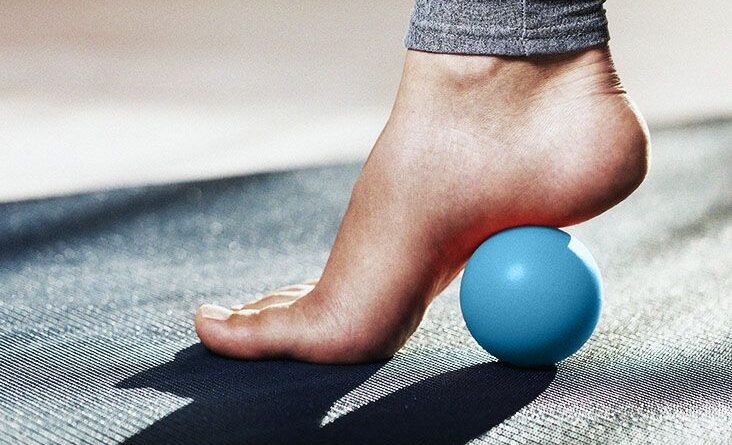
Massage therapy can help break up tight tissue, improve circulation, and reduce pain. Self-massage using hands, massage balls, or rollers is a practical way to target sore areas at home. Professional manual therapy may also help by releasing adhesions and improving tissue mobility.
Massage works by increasing blood flow to the affected area, which supports healing and reduces stiffness. When combined with stretching and strengthening, massage can accelerate recovery and enhance overall comfort.
Weight Management and Activity Modification
Excess body weight increases pressure on the plantar fascia, especially during standing and walking. Weight management can significantly reduce strain and improve outcomes for people with plantar fasciitis. Even modest weight loss may lead to noticeable pain reduction.
Activity modification is equally important. Switching to low-impact activities such as swimming or cycling allows individuals to stay active while minimizing stress on the feet. These changes work because they reduce repetitive strain, giving the plantar fascia time to repair itself.
Physical Therapy and Professional Care
For persistent or severe cases, physical therapy can provide structured and personalized treatment. A physical therapist can assess movement patterns, identify contributing factors, and create a tailored rehabilitation plan. Therapy often includes a combination of stretching, strengthening, manual techniques, and education.
Professional care may also involve imaging or advanced treatments if conservative methods are not effective. Early intervention often leads to faster recovery and helps prevent chronic pain.
Preventing Future Flare Ups
Preventing plantar fasciitis from returning is just as important as treating it. Wearing supportive footwear, maintaining flexibility, and continuing strengthening exercises help protect the plantar fascia over time. Gradual increases in activity reduce the risk of reinjury.
Listening to early warning signs, such as mild heel discomfort, allows for quick adjustments before pain becomes severe. Prevention works because it addresses the mechanical and lifestyle factors that contribute to plantar fasciitis in the first place.
Conclusion
Plantar fasciitis relief is most effective when treatments target the root causes of pain rather than offering short-term fixes. Stretching, supportive footwear, orthotics, proper sleep positioning, and tools like a foot pillow for plantar fasciitis all play a role in reducing strain and promoting healing. Strengthening, massage, and activity modification further support recovery and prevent recurrence. By understanding what works and why, individuals can make informed choices that lead to lasting relief and healthier feet.