How Do You Choose the Right Gutter Guards for Your Home?
Gutter guards are one of those home upgrades that seem simple at first glance, yet quickly become confusing once you start comparing options. With dozens of styles, materials, and price points available, homeowners often wonder how to choose the right gutter guards without overspending or making a mistake that leads to clogged gutters anyway. Choosing wisely matters because the right system can protect your roof, foundation, siding, and landscaping for years to come, while the wrong one can create new maintenance headaches. In this guide, we will walk through everything you need to know so you can confidently decide which gutter guards make the most sense for your home.
Why Gutter Guards Matter
Gutters play a critical role in directing rainwater away from your home. When they clog with leaves, pine needles, seed pods, or debris, water can overflow and cause damage to fascia boards, foundations, basements, and even interior walls. Gutter guards are designed to keep debris out while allowing water to flow freely. While no system is completely maintenance-free, the right gutter guards can drastically reduce cleaning frequency and help extend the life of your gutter system.
Understand Your Local Debris Environment
One of the first steps in choosing the right gutter guards is understanding what type of debris your gutters face most often. Homes surrounded by large deciduous trees may deal with heavy leaf fall in autumn, while properties near pine trees struggle with needles year-round. Some neighborhoods experience fine debris like shingle grit, pollen, or seeds that can slip through larger openings. By identifying your most common debris types, you can eliminate guard styles that are poorly suited to your environment and focus on systems designed to handle your specific challenges.
Know the Main Types of Gutter Guards
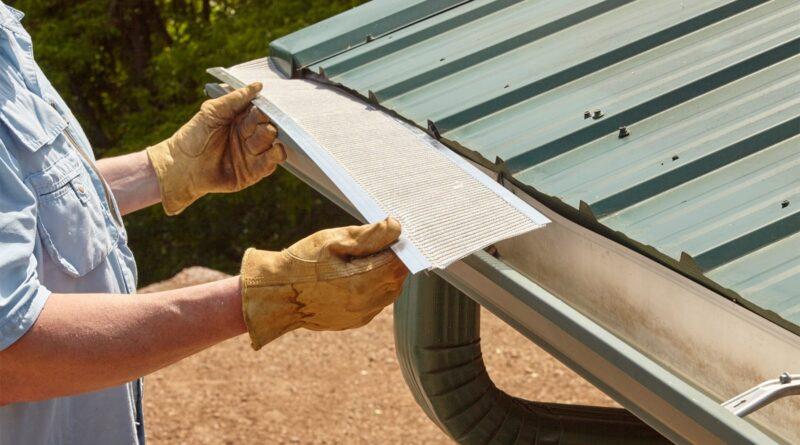
Gutter guards come in several primary categories, each with its own strengths and weaknesses. Screen guards feature perforated metal or plastic sheets that sit on top of the gutter. They are affordable and easy to install, but may allow smaller debris through. Mesh guards use finer filtering material and provide better protection against small debris, though they can clog more easily if not cleaned occasionally. Reverse curve guards guide water around a curved surface while debris slides off, but they can struggle during heavy rain and often require professional installation. Foam inserts fit inside the gutter and block debris, yet they may degrade over time and trap shingle grit. Brush guards resemble pipe cleaners and sit inside the gutter, allowing water to flow through bristles, but they tend to collect debris on top.
Match the Guard to Your Roof Type
Your roof design and material play an important role in choosing the right gutter guards. Some gutter guard systems are not compatible with certain roof types, such as metal roofs, tile roofs, or steeply pitched roofs. Reverse curve systems may struggle with high volume runoff from metal roofs, while foam and brush guards can interfere with water flow on steep pitches. Additionally, some guards require sliding under shingles, which may not be advisable for older roofs or specialty materials. Always confirm compatibility to avoid voiding warranties or causing roof damage.
Consider Rainfall and Climate
Climate is another key factor. Homes in areas with heavy rainfall need gutter guards that can handle high water volumes without overflowing. Fine mesh systems with high water intake capacity are often better suited for rainy regions than solid surface designs. In colder climates, homeowners should also consider how gutter guards perform with ice and snow. Certain styles can contribute to ice dam formation, while others allow meltwater to flow more efficiently. Thinking about seasonal weather patterns will help narrow down your options significantly.
Evaluate Maintenance Expectations
While many gutter guard products are marketed as maintenance-free, the reality is that every system requires some level of upkeep. The difference lies in how often and how difficult that maintenance is. When thinking about how to choose the right gutter guards, be honest about how much time or effort you are willing to invest. Some systems need occasional rinsing or brushing off, while others require removal and cleaning. If you prefer minimal interaction with your gutters, investing in a higher-quality system with proven performance may save you frustration in the long run.
Balance Cost with Long-Term Value
Price is often a deciding factor, but it should not be the only one. Cheaper gutter guards may seem appealing upfront, yet they can fail quickly, clog easily, or need replacement within a few years. On the other hand, premium systems often come with warranties, professional installation, and better durability. When evaluating cost, consider not just the purchase price but also installation, maintenance, and potential repair costs if the system underperforms. The right gutter guards are an investment in protecting your home, not just an accessory.
DIY Installation Versus Professional Installation
Some gutter guards are designed for easy do-it-yourself installation, while others require professional tools and expertise. DIY friendly options can save money, but improper installation can lead to gaps, sagging, or water overshoot. Professional installation usually costs more but ensures proper fit, secure attachment, and optimal performance. If you are unsure about working at heights or aligning components correctly, professional installation may be the safer and more effective choice.
Look for Warranties and Reviews
Warranties provide insight into how confident manufacturers are in their products. A longer warranty often signals better materials and construction. Reviews and testimonials from homeowners in similar climates can also help you understand real-world performance. Pay attention to feedback about clogging, overflow, durability, and customer service. Research is a crucial step in choosing the right gutter guards because it helps separate marketing claims from actual results.
Assess Gutter Condition Before Installing
Before installing any gutter guard system, your existing gutters should be inspected. Damaged, sagging, or improperly pitched gutters will not perform well, even with the best guards. Cleaning and repairing gutters beforehand ensures that water can flow correctly and that guards fit securely. In some cases, upgrading or replacing old gutters may be necessary to get the full benefit of a new guard system.
Think About Aesthetics and Curb Appeal
While performance matters most, appearance should not be overlooked. Some gutter guards are visible from the ground and may alter the look of your roofline. Others are nearly invisible once installed. Homeowners concerned about curb appeal should choose systems that blend seamlessly with existing gutters and roofing materials. A well-chosen system protects your home without detracting from its appearance.
Making the Final Decision
Ultimately, how to choose the right gutter guards comes down to aligning your home’s needs with the right combination of design, material, performance, and budget. Start by understanding your debris type, roof structure, and climate. Compare the main gutter guard styles and weigh their maintenance requirements against your expectations. Factor in long term value rather than just upfront cost, and do not overlook warranties and professional expertise. By taking a thoughtful, informed approach, you can select gutter guards that reduce maintenance, protect your home, and provide peace of mind for years to come.