Planes, Trains, or Automobiles: Which Is Safest in 2025
When planning any journey, the conscious thought of safety often clashes with the subconscious perception of risk. Many people experience anxiety about flying, an event entirely out of their control, yet they casually dismiss the much greater, statistically proven dangers of their daily drive. This psychological disconnect between perceived risk and actual risk often leads to flawed decision-making regarding travel choices.
Modern engineering and rigorous regulatory frameworks have transformed commercial travel over the last few decades, making methods that once seemed hazardous incredibly reliable. However, the sheer volume of personal automobiles on the road, combined with individual driver error, fundamentally alters the baseline danger calculation for ground transport. The data paints a clear picture that contradicts many deeply held public fears.
Determining the safest forms of transportation available today requires setting aside dramatic media coverage and focusing solely on objective fatality and injury rates per passenger mile traveled. Evaluating modes like planes, trains, and automobiles by these statistical standards reveals a hierarchy of risk that is essential for making smart travel choices based on quantifiable data rather than anecdotal fear.
Air Travel Safety Stats
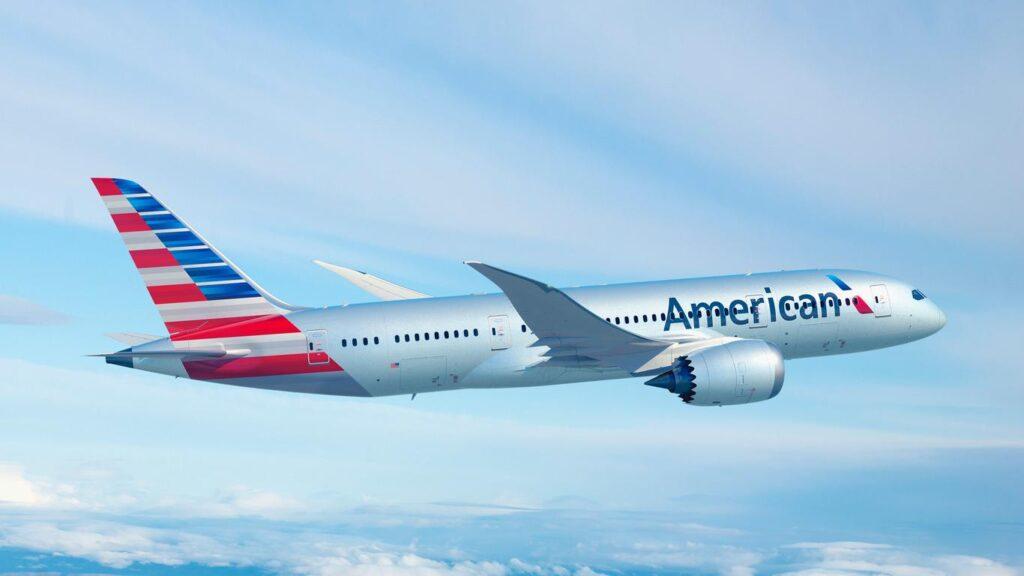
Commercial air travel consistently ranks as the safest mode of transport by a wide margin, especially when measuring fatalities per billion passenger miles. This incredible safety record is not a coincidence but a direct result of overlapping layers of redundant safety systems, highly standardized maintenance schedules, and stringent global regulatory oversight enforced by agencies like the FAA.
The regulatory environment ensures that every component, every procedure, and every pilot is tested, certified, and re-tested far beyond the standards required for typical road vehicles. This commitment to standardization means that human error, while always a factor, is mitigated by sophisticated technology and mandatory safety protocols that have evolved over decades of continuous improvement and investigation.
While large-scale air disasters capture headlines due to the tragic loss of life in a single event, the sheer infrequency of these incidents relative to the billions of miles flown annually secures the airplane’s place at the top of the safety hierarchy. Statistically, the riskiest part of a commercial flight for most people is actually the drive to the airport.
Rail vs Road Risk Factors
Comparing ground transport methods reveals a stark contrast in safety performance between rail and personal automobiles. Trains, particularly modern passenger trains, benefit from dedicated, controlled rights-of-way, meaning they operate on their own track free from sudden pedestrian or vehicular interference, significantly lowering the potential for collisions.
The majority of train-related fatalities involve pedestrians trespassing or vehicles improperly attempting to cross railroad tracks, not passengers inside the train itself. When analyzing passenger risk, the train provides a much higher level of protection due to its mass, structural integrity, and the regulatory oversight governing track condition and speed limits.
The personal automobile, conversely, is inherently less safe because it is entirely dependent on the individual operator’s judgment and vulnerable to interference from every other distracted or impaired driver on the road. The constant exposure to external variables, from weather conditions to road quality, makes the passenger vehicle the most dangerous choice by a considerable margin. When accidents occur, injury law comes into play, determining liability and ensuring that victims of negligent driving can seek compensation from the help of legal personal injury law forms like Rue & Ziffra.
Infrastructure Tech and Regulation Differences
The regulatory differences between modes are key to understanding the safety gap. Air and rail travel are governed by massive federal agencies that dictate everything from maintenance intervals to component manufacturing tolerances and crew rest rules. Road travel, however, is subject to a decentralized patchwork of state and local laws concerning licensing and traffic control, which vary widely.
Furthermore, the infrastructure supporting these systems reflects the difference in regulatory focus. Rail lines and airport runways are meticulously inspected and maintained to support high-speed, high-mass movement, whereas road infrastructure often suffers from deferred maintenance and widely varying standards of repair and design across different jurisdictions.
Technology also plays a role in modern safety. Commercial aircraft utilize highly redundant systems, satellite communication, and advanced predictive maintenance programs that flag potential failures long before they become critical. While modern cars have advanced driver assistance systems, they still fundamentally rely on a human being to make dozens of complex, life-or-death decisions every single minute.
How Individual Behavior Affects Safety
Individual behavior has a far greater impact on personal safety when traveling by car compared to flying or riding the train. Once a passenger boards a plane or train, their personal risk is largely determined by the collective safety mechanisms and the professionalism of the highly trained crew operating the vehicle.
In an automobile, the driver’s choices—speed, distraction level, sobriety, and fatigue—are the dominant variables determining the probability of an accident. Choosing to text and drive, for example, instantly and dramatically elevates the risk of a crash to a level far exceeding that of a routine commercial flight or rail trip.
This difference underscores why statistics show cars are the least safe option. The human element, which is heavily controlled and monitored in commercial transport settings, is allowed almost complete freedom in personal driving. This freedom, while convenient, introduces too many variables, including impairment, aggression, and simple lack of focus, all of which compromise safety.
Conclusion Choose Safety Based on Data
The comparison between planes, trains, and automobiles clearly demonstrates that perception often fails to align with reality when it comes to transportation safety. While fear of flying remains common, commercial aviation continues to be the overwhelming leader in safety, consistently proving that stringent regulation and redundant engineering save lives.
We analyzed how the controlled environment of rail travel makes it the second safest option, far surpassing the dangerous variability of personal automobiles. Furthermore, we detailed how the fragmented regulation and infrastructure surrounding road transport, combined with individual driver choices, fundamentally compromise passenger security in vehicles.
Choosing safety based on reliable data means prioritizing commercial carriers over personal vehicles for long-distance travel whenever possible. Understanding these risk hierarchies allows you to make calculated choices that favor statistical safety over convenience, ultimately protecting yourself and your family.