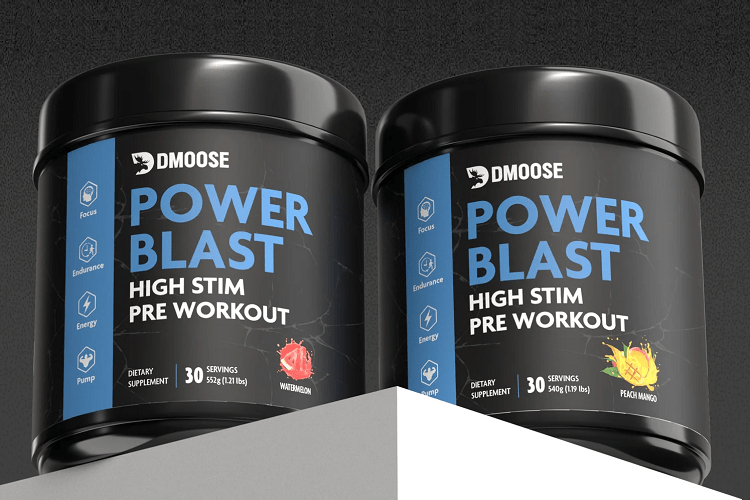
The Best Time to Take Pre-Workout: Timing for Maximum Efficiency.
Finding the right time to take a pre-workout can make a huge difference in how strong, alert, and focused you feel during training. Most people know pre-workout helps with energy and endurance, but fewer understand that timing is the real key.
When you take it too early, the effects fade before you reach your hardest sets. When you take it too late, you feel the boost after the workout is already over. With a little strategy, you can line up ingredient absorption with your training window and get the most from every session.
Why Timing Matters More Than People Think
Pre-workout ingredients like caffeine, beta alanine, and citrulline absorb at different speeds, so timing matters. Research highlighted by Bolt Nutrition shows caffeine can take 30 to 45 minutes to peak, making strategy essential.
Your metabolism, hydration, and food intake also affect absorption, with effects appearing in 15 to 40 minutes depending on your body and routine.
Finding the Ideal Timing Window
Most people see the best results when they take pre-workout 20 to 40 minutes before exercise. This range covers the absorption time for stimulants and pump ingredients.
Here is a simple breakdown:
- 15 to 20 minutes: Good for fast absorbing formulas or low stimulant blends.
- 20 to 30 minutes: The universal sweet spot.
- 30 to 45 minutes: Better for high caffeine formulas or slower metabolizers.
Writers at Weightlift Guru note that a slightly longer window may help people who feel caffeine later or who want a steadier lift in energy rather than a sharp spike.
If your warm up is long or you like to ease into your routine, taking pre-workout earlier helps align the peak with your hardest sets.
How Food Influences Timing
Taking pre-workout with a heavy meal usually slows down absorption. Instead of feeling it at the 20 minute mark, you may not feel full effects until 35 to 45 minutes. On training days, many people do best with a light snack or small meal so timing stays predictable.
Understanding How Ingredients Kick In
Knowing how different pre-workout ingredients behave can help you time your intake with more confidence.
Caffeine
Caffeine peaks around 30 to 60 minutes after consumption. This is why taking pre-workout halfway through your commute or right before your warm up often lines up well with performance needs.
Beta Alanine
Beta alanine causes a familiar tingling sensation for many users. These tingles can appear quickly, but the performance benefit builds over time with consistent use.
Its timing matters less, but the sensation can help you mentally shift into workout mode.
Citrulline and Pump Ingredients
Citrulline and nitric oxide boosters often kick in within 20 to 40 minutes. This aligns well with the typical pre-workout window.
Focus Ingredients
Compounds like tyrosine and taurine tend to activate around the same time caffeine does, contributing to clarity and mind body connection during training.
Dialing in your pre‑workout timing is the subtle performance edge seasoned lifters use to train smarter and harder.
What Happens if You Take pre-workout Too Early or Too Late
Taking pre-workout too early can cause the boost to fade mid session, while taking it too late delays its effects. The best approach is matching absorption to your warm up. As DMoose suggests, experimenting with different timing windows helps you find what your body responds to best.
Personalizing Your Timing
Your metabolism, stimulant sensitivity, and training style influence how quickly pre-workout hits. Many people start around 25 minutes before training and adjust based on how energized they feel.
Ingredient quality matters too, and choosing pre-workout energy drinks designed for consistent absorption helps you maintain predictable timing and steady performance.
A Simple Timing Test
Try adjusting your timing slowly to discover your personal sweet spot.
- Days 1 to 2: Take it 25 minutes before training.
- Days 3 to 4: Shift to 35 minutes.
- Day 5: Try 20 minutes to see how it compares.
Take notes on when you feel focused, energized, and ready to push harder. You will quickly notice a pattern that tells you your ideal window.
Morning Training Considerations
Morning workouts come with unique timing challenges because your body is adjusting from sleep.
Caffeine may take longer to activate, especially if you have not eaten yet. If you leave home quickly after waking, take your pre-workout while getting ready so it has time to kick in during your warm up.
Writers at Fitness World Nutrition explain that morning stimulant timing can be less predictable due to changes in blood sugar and cortisol. If you are sensitive to caffeine, consider starting with half servings during early workouts until you find your rhythm.
Late Afternoon or Evening Workouts
Evening workouts require careful timing because caffeine can linger and disrupt sleep.
Avoid taking pre-workout within six hours of bedtime. If you train at night, choosing low caffeine pre-workout energy drinks helps you enjoy steady energy without keeping you awake, making late sessions more manageable.
Mastering your pre‑workout timing unlocks steadier energy and stronger performance every session.
How Warm Ups Affect Timing
Your warm up routine shifts when your pre-workout peaks.
A longer warm up can help the timing work in your favor because it gives ingredients enough time to become active before your heavy sets. Writers at Dark Labs recommend adjusting timing based on routine length so you feel the strongest boost where it counts most.
Common Mistakes People Make
The biggest mistakes include taking pre-workout too close to the first exercise and mixing caffeine from multiple sources. Drinking coffee and pre-workout together can create unpredictable timing or uncomfortable energy spikes.
Another common issue is expecting pre-workouts to work instantly. Most formulas do not operate that way, and patience helps you enjoy better results.
Final Thoughts
Timing your pre-workout correctly boosts energy, focus, and endurance. Start with a 20 to 40 minute window, then adjust based on how your body responds.
With small experiments, you will find your ideal timing and feel stronger in every session. Keep exploring fitness guides to build smarter, more consistent routines.