How Fixed Wireless Internet Works
Fixed wireless internet is an increasingly popular broadband option for homes and businesses that want reliable high-speed connectivity without relying on traditional cable or fiber infrastructure. As demand for flexible and fast internet access grows, especially in rural and underserved areas, fixed wireless has emerged as a practical and scalable solution offered by many internet providers. Understanding how this technology works can help consumers decide whether it is the right fit for their needs and how it compares to other types of internet service.
What Is Fixed Wireless Internet
Fixed wireless internet is a type of broadband connection that delivers internet access through radio signals rather than physical cables. Instead of using underground fiber optic lines or coaxial cables, fixed wireless transmits data wirelessly from a nearby transmission tower to a fixed receiver installed at the customer’s location. The term fixed refers to the fact that both the transmitter and receiver are stationary, unlike mobile wireless services used by smartphones.
This technology is commonly used by fixed wireless internet providers to serve areas where installing cable or fiber would be too expensive or impractical. It is especially prevalent in rural communities, suburban developments, and expanding business districts where infrastructure may lag behind population growth.
The Core Components of Fixed Wireless Technology
To understand how fixed wireless internet works, it helps to break it down into its key components. At the center of the system is a base station, which is typically mounted on a tower, rooftop, or tall structure. This base station is connected to the internet backbone, often through fiber, and acts as the primary distribution point for wireless signals.
At the customer’s location, a small antenna or receiver is installed, usually on the roof, exterior wall, or a pole. This receiver communicates directly with the base station using radio frequencies. Inside the building, the receiver is connected to a modem or router that distributes the internet connection to devices through Wi-Fi or Ethernet, just like other types of broadband.
How Data Travels Over a Fixed Wireless Connection
When a user sends or receives data, the process begins at their device, such as a computer or smartphone. The data travels to the router and then to the fixed wireless receiver. From there, the receiver converts the data into radio signals and transmits them through the air to the nearest base station.
The base station receives these signals and routes the data through the internet backbone to its destination, whether that is a website, streaming service, or cloud application. Incoming data follows the same path in reverse, traveling wirelessly from the base station back to the customer’s receiver and into their local network. This entire exchange happens in milliseconds, enabling real-time browsing, streaming, and communication.
Line of Sight and Signal Quality
One of the most important factors in fixed wireless performance is line of sight. In many fixed wireless systems, there needs to be a relatively clear, unobstructed path between the customer’s receiver and the base station. Trees, hills, buildings, and other obstacles can weaken or block radio signals, reducing speed and reliability.
Modern fixed wireless technology has improved significantly, with some systems capable of operating in near line-of-sight or non-line-of-sight conditions. However, signal quality still depends on distance from the tower, terrain, weather conditions, and the frequency bands being used. During installation, technicians typically conduct a site survey to determine the best placement for the receiver to ensure optimal performance.
Frequency Bands Used in Fixed Wireless Internet
Fixed wireless internet operates across a range of frequency bands, each with its own characteristics. Lower frequency bands can travel longer distances and penetrate obstacles more effectively, making them suitable for rural deployments. Higher frequency bands can deliver faster speeds but generally require a clearer line of sight and shorter distances.
Some fixed wireless internet providers use licensed spectrum, which is regulated and exclusive, helping reduce interference. Others use unlicensed spectrum, which is more accessible but may be shared with other wireless devices. Newer deployments increasingly leverage mid-band and millimeter wave frequencies, including those associated with 5G technology, to deliver gigabit-level speeds in select areas.
Installation and Setup Process
Installing fixed wireless internet is typically faster and less invasive than installing cable or fiber. Once service availability is confirmed, a technician installs the outdoor receiver and aligns it with the appropriate base station. The receiver is then connected to indoor networking equipment, and the connection is tested for speed and stability.
Because no trenching or extensive construction is required, installation can often be completed in a single visit. This makes fixed wireless particularly appealing for businesses that need quick connectivity or homeowners who want to avoid disruptions to their property.
Speed, Latency, and Performance Expectations
Fixed wireless internet speeds can vary widely depending on the provider, technology, and location. Entry-level plans may offer speeds comparable to basic DSL, while advanced systems can rival or even exceed cable internet performance. Many fixed wireless internet providers now advertise download speeds ranging from tens of megabits per second to several hundred megabits per second.
Latency, which measures how quickly data travels back and forth, is generally lower than satellite internet and is suitable for video conferencing, online gaming, and cloud-based applications. While fixed wireless may not always match the ultra-low latency of fiber, it delivers consistent performance that meets the needs of most households and small businesses.
Reliability and Weather Considerations
Fixed wireless connections are designed to be reliable, but like all wireless technologies, they can be affected by environmental factors. Heavy rain, dense fog, or extreme weather may temporarily impact signal strength, particularly at higher frequencies. Providers mitigate these issues through network design, redundancy, and adaptive technologies that adjust signal parameters in real time.
Because there are fewer physical components exposed to damage compared to wired networks, fixed wireless can sometimes recover more quickly from outages caused by construction accidents or natural disasters. Reliability ultimately depends on the provider’s infrastructure investment and maintenance practices.
Comparing Fixed Wireless to Other Internet Options
Compared to DSL, fixed wireless often offers faster speeds and better scalability. When compared to cable, fixed wireless can be more consistent in areas where cable networks are oversubscribed. Fiber remains the gold standard for speed and latency, but its limited availability and high deployment costs make fixed wireless a strong alternative in many markets.
Satellite internet offers broader coverage, especially in remote regions, but typically comes with higher latency and data limitations. Fixed wireless occupies a middle ground, delivering a balance of speed, responsiveness, and availability that suits a wide range of users.
Who Benefits Most from Fixed Wireless Internet
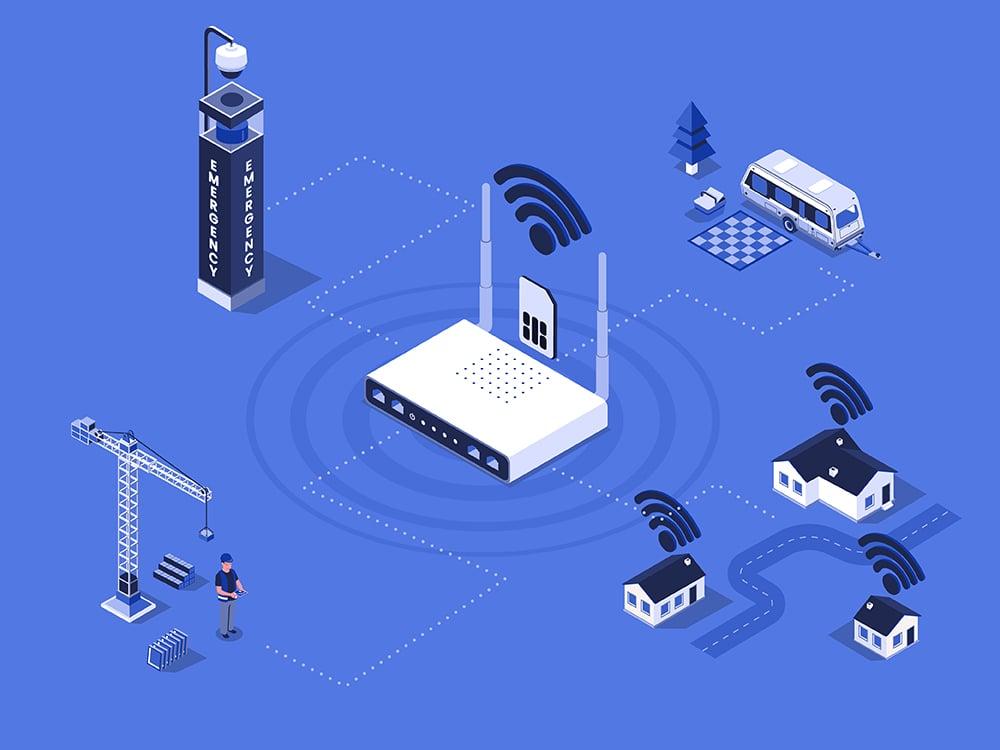
Fixed wireless internet is especially beneficial for rural residents, small towns, and growing suburbs where traditional broadband infrastructure is limited. Businesses that need reliable connectivity without long installation timelines also benefit, as do temporary locations such as construction sites or remote offices.
As technology advances, fixed wireless is increasingly being used in urban and suburban areas as well, either as a primary connection or as a backup to wired services. The expanding role of fixed wireless internet providers reflects their growing importance in the broader broadband ecosystem.
The Future of Fixed Wireless Technology
The future of fixed wireless internet is closely tied to advancements in wireless standards, including 5G and beyond. These technologies promise higher speeds, lower latency, and improved capacity, enabling fixed wireless to compete even more directly with fiber in certain scenarios.
As demand for connectivity continues to rise and digital inclusion becomes a priority, fixed wireless will play a key role in closing the broadband gap. By leveraging wireless innovation and flexible deployment models, fixed wireless internet is poised to remain a vital part of how people connect to the online world.