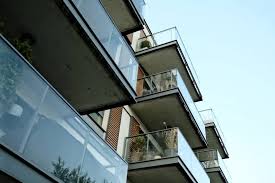
Construction Defect Litigation and SB 326 Balcony Checks
Buildings are complicated. Many owners and managers don’t know how materials behave over time or how small construction mistakes can spread. A leak, crack or loose railing may seem minor, but it can signal deeper problems. When damage grows, conflict follows. Neighbors disagree. Boards argue. Contractors blame weather or aging. This is where support becomes important, especially when situations move toward construction defect litigation.
These disputes often begin with uncertainty. People see damage but don’t know the cause. They don’t know if the builder made an error or if materials failed faster than expected. A clear investigation removes that uncertainty. It explains what happened, why it happened and what the next steps should be.
How Construction Defect Litigation Starts
Construction defect litigation focuses on identifying failures that result from design issues, poor installation or use of improper materials. It often begins when an owner or homeowners association notices patterns of damage. Water intrusion in several units. Decks that settle or shift. Windows that leak during light rain. These patterns point to construction problems rather than isolated events.
A consultant begins with a site review. They document visible signs. They study building plans, look at past repair records and measure moisture in walls or framing. They may open small sections to confirm hidden conditions. Once they understand the source of the issue, they provide clear findings. These findings guide owners and legal teams.
This process protects owners because it prevents assumptions. Instead of accusing a contractor with limited proof, owners rely on clear data. It also protects contractors from claims based on misunderstandings. Good documentation helps everyone see the same facts.
Why Early Investigation Matters
Problems spread when ignored. A small flashing error at a balcony can let water enter framing. Over time, wood softens. Metal rusts. Fasteners lose strength. What began as a small oversight grows into structural stress. When owners act early, they reduce long term cost and prevent safety issues.
Professional support also helps owners decide whether a dispute truly belongs in construction defect litigation or if a direct repair agreement is possible. A consultant’s report may show that a defect exists but affects only a small area. Or it may show widespread failure that requires a larger response. Either way, owners gain clarity.
How SB 326 Balcony Inspections Fit In
Balconies and elevated walkways face weather, movement and heavy use. They’re also common sources of hidden damage. Because of past failures in California, state law requires regular inspections known as SB 326 balcony inspections. These inspections apply to multifamily buildings with elevated elements made from wood or similar materials.
Under SB 326, inspectors review both visible and concealed parts of balconies. They look for evidence of water intrusion, decay and weakened connections. They check railings, support members and waterproofing surfaces. Their findings help communities understand whether balconies remain safe or if repairs are needed.
These inspections are not optional. They’re part of long term safety planning for shared communities. When done well, they catch problems before they reach the point of emergency repairs.
Why SB 326 Matters in Defect Cases
Balcony damage can connect to construction defect litigation. If a balcony fails because a contractor installed waterproofing incorrectly, that issue may qualify as a defect. If the materials deteriorated faster than expected due to poor design, that may also become part of a defect claim.
SB 326 balcony inspections help owners document these issues early. When inspectors find soft framing, rusted fasteners or trapped moisture, they create records that owners can use when deciding how to proceed. These records support legal teams because they show proof gathered by neutral professionals.
They also help distinguish between normal aging and true construction-related failure. Not every issue is a defect. Some materials simply reach the end of their life. A detailed SB 326 report can show the difference.
How Consultants Support Owners in Litigation
Owners benefit from having consultants who understand both building systems and the legal expectations of construction defect litigation. Their role includes:
Identifying the Source
They confirm whether the problem came from poor workmanship, design errors, missing details or lack of maintenance. This distinction matters because each cause leads to a different path.
Documenting Evidence
Accurate photos, measurements and moisture readings support a clear case. Good documentation prevents disputes about what was found and when.
Explaining the Impact
Consultants help owners understand why a defect matters. For example, if a waterproofing membrane wasn’t installed correctly, they explain how that causes long term moisture intrusion and structural weakening.
Guiding Repair Decisions
Even during a legal dispute, buildings need to remain safe. Consultants help owners decide which repairs must be done now and which can wait.
This guidance supports owners from the first signs of damage through the resolution of a claim.
The Link Between Balcony Safety and Legal Responsibility
Balcony failures can cause serious risk. That’s why SB 326 inspections focus on structural health. Inspectors check whether balconies carry required loads and whether protective layers still function. When damage appears, owners must act.
If that damage results from construction errors, the owner may consider construction defect litigation to recover costs. A consultant’s findings often support this decision. For instance:
A balcony shows widespread dry rot.
A consultant traces the issue to flashing installed incorrectly during original construction.
Moisture entered for years.
The community now faces major repairs.
This becomes a clear example where legal support may be needed.
But if the balcony shows damage from long term neglect or aging materials, a defect claim may not apply. This is why high quality inspection and analysis matter.
Steps Owners Can Take Today
Owners and managers can reduce confusion by taking simple actions:
- Walk the property and document visible signs of damage.
- Keep records of all repairs, maintenance and past leaks.
- Schedule SB 326 balcony inspections as required.
- Contact consultants when new or unexplained damage appears.
- Act on findings instead of delaying repairs.
These steps help owners stay ahead of larger problems and create a clear picture of the building’s condition.
Preventing Disputes Through Early Awareness
Many defect disputes arise because problems go unnoticed for too long. Regular checks, including required balcony inspections, give owners early warnings. With that information, they can address issues before they spread.
Consultants help owners understand what a small sign means. A hairline crack may signal movement in the structure. A soft spot in a balcony surface may signal moisture inside framing. These clues matter.
By treating early signs seriously, owners reduce the chance of major conflicts later. They also protect residents by keeping structures safe.
Closing Thoughts
Clear investigation protects buildings and the people who use them. When owners face uncertain conditions, strong documentation and professional guidance make decisions easier. Construction defect litigation becomes manageable when owners know the true cause of damage. At the same time, SB 326 balcony inspections keep elevated elements safe and give communities reliable information. Together, these practices support long term building health and help owners address problems with confidence.