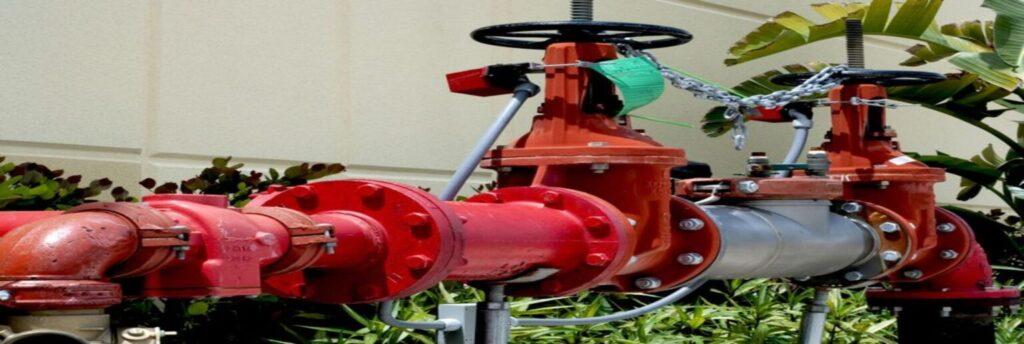
Backflow Prevention Mandates: Compliance for Perth Businesses
Most business owners in Perth deal with day-to-day operations long before they ever think about plumbing issues. Backflow, in particular, feels like something that happens somewhere else—maybe in an industrial plant or a place that handles chemicals. But the truth is much simpler. Any business that uses water, even a café or car wash, relies on proper backflow protection to keep contaminated water from flowing back into the clean supply.
Western Australia treats this seriously, and for good reason. A sudden drop in pressure or a damaged valve can pull dirty water into the mains before anyone notices. Once it enters the system, the problem becomes everyone’s problem. That’s why local councils require regular testing, certified installation, and documentation. It’s not paperwork for the sake of paperwork; it’s public safety.
This is also why businesses often need a qualified Plumber Perth team—not just for repairs, but for compliance.
Why Backflow Prevention Exists in the First Place
Backflow happens when water flows in the opposite direction it should. It can occur because of back-pressure or back-siphonage. The cause might be a pump failure, a burst pipe, a sudden mains pressure drop, or something as simple as a hose left submerged in a bucket.
You won’t see it happen. There’s no alarm or warning light. But the risk is real. Contaminants such as detergents, fertilisers, oils, or grey water can slip into the clean water network in a single moment of pressure imbalance.
Perth’s water authorities understand these risks, which is why they enforce strict backflow controls across all commercial properties. It’s a layer of protection that works quietly but matters deeply.
The Businesses Most at Risk
Some industries already know they must comply because they work with chemicals or heavy equipment. Others are surprised to learn they’re also on the list.
Backflow prevention devices are required in places such as:
- cafés, restaurants, breweries
- dental clinics
- shopping centres
- car washes and auto workshops
irrigation systems - laundries
- building sites
- commercial kitchens
Even small operators can fall under mandatory compliance rules. If a site has a medium- or high-risk connection, the device isn’t optional.
A Plumber Perth contractor typically performs the initial risk assessment to confirm the exact protection level required for that particular property.
Types of Backflow Prevention Devices Used in Perth
Businesses don’t need to know every technical detail, but understanding the basics helps with compliance.
Here are the common devices used:
1. Air Gaps
A simple physical separation between a water outlet and the receiving vessel. Reliable but not always practical for commercial environments.
2. Double Check Valves
Often used for medium-risk connections. They stop reverse flow using two internal valves and require annual testing.
3. Reduced Pressure Zone Devices (RPZD)
Used for high-risk sites. More complex, but highly effective. These require annual testing and immediate attention if the relief valve discharges water.
4. Vacuum Breakers
Used in certain irrigation and hose systems to prevent siphonage.
Each device has rules about where it must be installed, how much clearance it needs, and how often it must be tested.
Legal Requirements for Backflow Prevention in Perth
Water Corporation and local councils have clear expectations for all commercial buildings. Compliance includes:
- installing an approved device based on risk category
- ensuring installation is carried out by a licensed plumber
- submitting certificates of compliance
- completing annual testing
- replacing or repairing failed devices without delay
If testing is missed, the site may be flagged as non-compliant. In serious cases, penalties apply. In rare cases, water supply can be restricted until compliance is restored.
Most businesses don’t intentionally ignore these rules. Often, they simply don’t know the deadlines or weren’t told by previous owners. This is where routine reminders from a Plumber Perth service provider help keep things on track year after year.
Why Annual Testing Matters More Than Many Think
A backflow prevention device can appear fine from the outside while the internal valve is worn down, clogged, or stuck. Perth’s mix of minerals, heat, and usage patterns can affect the internal components faster than expected.
Testing ensures the device reacts correctly when pressure changes. If a valve doesn’t shut immediately, contamination can occur within seconds.
During testing, plumbers look for:
- leaks
- damaged seals
- incorrect pressure ranges
- failure to close or open
- missing parts
- poor installation position
If the device fails the test, repairs or replacements must happen quickly to stay compliant.
Documentation and Record Keeping
Every test, repair, and installation must be recorded. Councils may request documentation at any time, and businesses must provide proof.
A typical compliance record includes:
- test results
- plumber’s license details
- device location
- device type and serial number
- date of certification
Losing paperwork can cause issues, which is why many businesses rely on their plumbing contractor to keep records. A reliable Plumber Perth provider usually stores digital copies for easy retrieval.
Common Mistakes Businesses Make
Most non-compliance happens because of small oversights, not deliberate decisions. Some common issues include:
- assuming low-risk businesses don’t need a device
- forgetting annual testing
- installing the wrong device
- placing the device where it isn’t accessible for testing
- covering or enclosing the unit, blocking access
failing to update records after major renovations
When a business expands or changes equipment—such as adding commercial dishwashers or connecting new irrigation lines—the risk classification may also change. A quick consultation prevents future penalties.
Why Working With a Licensed Plumber Matters
Backflow prevention is not a DIY situation. Only licensed plumbers certified for testing can legally perform the work.
A qualified Plumber Perth ensures:
- correct installation
- accurate risk assessment
- proper documentation submission
- compliant test procedures
- replacement recommendations when needed
Businesses gain peace of mind knowing their plumbing system is protected and legally compliant.
Preparing Your Business for the Next Audit
A simple yearly routine prevents stress during inspections:
- Schedule annual testing early.
- Keep documentation in one place.
- Review any changes to the property’s water connections.
- Make sure devices are easy to access.
- Ask for reminders from your plumbing provider.
These steps keep your business aligned with Western Australia’s regulations.
Final Thoughts
Backflow prevention seems like a small detail in the bigger picture of running a business, but it protects something essential—clean water. Regulations aren’t designed to make life difficult; they exist because one failure can affect thousands of people.
By working with an experienced Plumber Perth, businesses can stay compliant, avoid penalties, and keep their water supply safe. With clear rules and regular testing, backflow prevention becomes a smooth, predictable part of property maintenance.