Why Vintage Luxury Watches Are Becoming a Smart Alternative Investment
In an era where traditional investments face constant volatility, luxury collectibles have emerged as a powerful alternative asset class. Among them, vintage watches stand out for their blend of craftsmanship, history, and long term value. While fine jewelry remains a staple of wealth preservation, collectors now view Tiffany & Co. Necklaces and heirloom timepieces as parallel gateways into lasting luxury assets. As consumer awareness expands, the growing interest in Pre-owned watches and estate jewelry reflects a shift toward sustainable investing rooted in tangible elegance.
The Evolution of Luxury Watches as Investment Assets
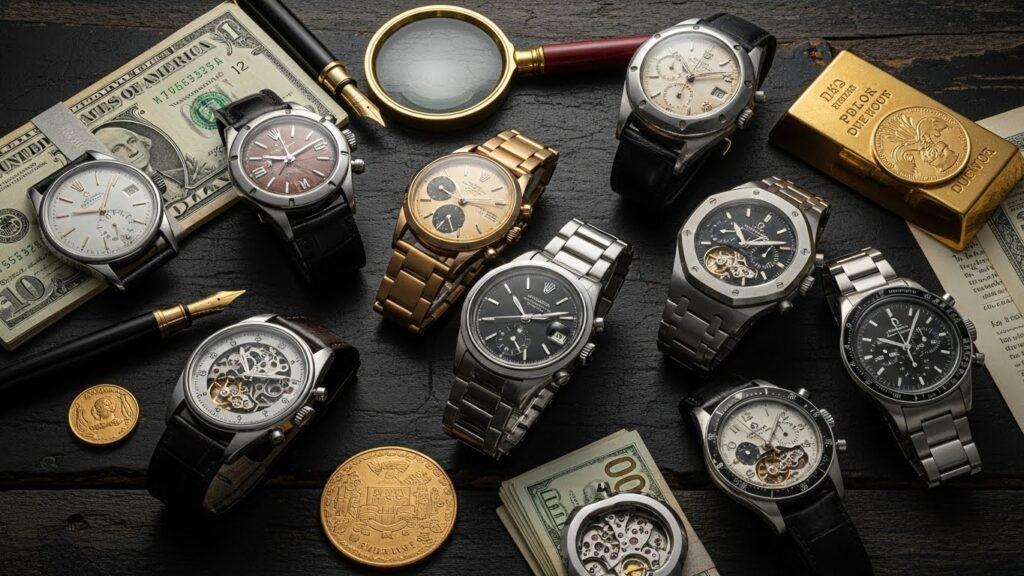
For decades, luxury watches were viewed primarily as functional accessories or status symbols. Over time, they have become serious financial instruments. Auction houses now regularly report record breaking sales of rare watches from brands like Rolex, Patek Philippe, Audemars Piguet, and Omega.
This shift happened for several reasons. First, luxury watch production is limited. Many vintage models are no longer made, creating natural scarcity. Second, demand is global. Collectors in Asia, Europe, and North America compete for the same legendary references. Third, the historical importance of many models adds value beyond the material itself.
Unlike stocks or digital assets, vintage watches offer something tangible. Owners enjoy wearing their investment while it appreciates in value. This dual purpose makes luxury timepieces especially appealing to high net worth buyers and younger investors alike.
Scarcity Drives Long Term Value
Scarcity is the backbone of luxury investment. Unlike modern mass produced items, vintage watches were created in smaller quantities. Many models were discontinued due to changing design trends, technical updates, or brand strategy shifts.
The passage of time further reduces supply. Watches are lost, damaged, or improperly serviced. As a result, surviving examples in original condition become increasingly rare. Collectors place a premium on untouched dials, original movements, and period correct parts.
Scarcity does not only affect ultra rare models. Even entry level vintage pieces grow more valuable as fewer remain available each year. This natural tightening of supply creates steady upward price pressure across the entire vintage market.
The Power of Brand Heritage
Not all watches appreciate at the same rate. Brand reputation plays a critical role in long term value. Heritage brands with consistent histories of craftsmanship and innovation tend to outperform others.
Rolex is often considered the gold standard of investment watches due to its durability, universal recognition, and extremely strong resale market. Patek Philippe is prized for its limited production, handcrafted movements, and auction dominance. Omega benefits from its space exploration history and iconic designs.
Collectors trust these brands because their legacy spans generations. Buyers feel confident that a well chosen piece from a respected house will remain desirable long into the future. This brand trust stabilizes value even during economic downturns.
Condition and Originality Matter More Than Ever
In the early days of collecting, many buyers focused only on brand and age. Today, condition and originality carry even greater importance. A well preserved watch with original components commands significantly higher prices than one that has been heavily restored or modified.
Original dials are especially critical. Refinishing a dial often lowers value, even if it improves appearance. Collectors seek authenticity above perfection. Case sharpness, movement condition, and correct hands all influence desirability.
Documentation also plays a growing role. Original boxes, warranty papers, and service records enhance credibility and boost resale potential. These materials offer proof of provenance and care, which makes buyers more confident in their investment.
Watches Versus Traditional Jewelry Investments
Fine jewelry has always been considered a store of value, particularly pieces featuring diamonds, precious metals, and renowned designers. However, watches offer several advantages that attract modern investors.
First, the watch market offers clearer pricing benchmarks. Public auction results provide transparent data on value trends. Second, demand is broader and more fluid across age groups. Younger buyers are often more drawn to mechanical watches than traditional diamond jewelry.
Watches also benefit from stronger storytelling. A diver worn by adventurers, a chronograph used in space missions, or a dress watch owned by cultural icons all carry emotional weight that drives demand.
While jewelry remains a reliable asset class, watches now rival it in both liquidity and appreciation potential. Many collectors diversify by owning both categories, strengthening long term portfolio stability.
The Role of Global Demand and Digital Marketplaces
The vintage watch market has become increasingly global. Online platforms, international auctions, and social media have removed geographic limitations. A collector in New York can easily purchase a watch from Tokyo or Geneva.
This connectivity increases competition and drives prices higher. It also empowers new collectors with access to educational content, forums, and expert analysis. Buyers now research reference numbers, production years, and market trends with greater confidence than ever before.
Digital visibility also amplifies demand for specific models. A single celebrity sighting or viral post can send interest surging overnight. While this introduces short term price fluctuations, it also strengthens long term engagement across the market.
Economic Uncertainty and the Appeal of Physical Assets
Periods of economic instability often push investors toward physical assets. Luxury watches benefit from this defensive appeal. Unlike paper investments, they are not directly tied to interest rates or currency swings.
Inflation also strengthens the case for collectibles. As currencies lose purchasing power, tangible luxury goods often retain or increase their real value. This makes vintage watches attractive for investors seeking to hedge against long term inflation risk.
The portability of watches is another advantage. High value can be stored in a small, discreet object that is easy to insure and secure. This combination of compact wealth and global demand further enhances their appeal as financial assets.
The Emotional Dimension of Watch Collecting
Beyond numbers and market charts, vintage watch collecting is driven by passion. Each piece tells a story of design, engineering, and personal history. Many collectors develop emotional bonds with their watches that go far beyond financial considerations.
A watch may commemorate a milestone, honor a family legacy, or simply reflect personal taste. This emotional element strengthens buyer commitment and reduces panic selling during market downturns. Collectors tend to hold their prized pieces for long periods, which reduces supply and supports long term pricing.
This human connection is one reason vintage watches continue to outperform many purely speculative assets. They combine emotional satisfaction with financial logic in a way few investments can replicate.
Future Outlook for the Vintage Watch Market
The long term outlook for vintage watches remains highly positive. Demand continues to expand across Asia, the Middle East, and younger demographics in the West. At the same time, supply becomes more limited each year.
Brands are also reinforcing the value of their heritage by reissuing classic designs and promoting historical archives. This renewed attention often draws collectors back to original vintage references, further driving interest and prices.
Sustainability trends also support the pre-owned luxury market. Buyers increasingly value reuse and long product lifecycles. Vintage watches align perfectly with this mindset, offering beauty and function without new manufacturing.
Final Thoughts
Vintage luxury watches have transformed from stylish accessories into respected investment vehicles. Their rising value is fueled by scarcity, brand heritage, global demand, and emotional attachment. As collectors become more informed and digitally connected, the market continues to mature with increasing stability and transparency.
For those seeking diversification beyond stocks and real estate, vintage watches offer a compelling blend of financial resilience and personal enjoyment. Whether acquired for passion, prestige, or profit, these mechanical works of art continue to prove that time truly is money.