From Dashboards to Data: The Future of Smart Car Accessories
We spend a lot of time just sitting in traffic. Look around: every dashboard glows, every phone hums with directions, playlists, and notifications. Cars used to be engines on wheels; now they’re rolling ecosystems of software, sensors, and screens.
Somewhere along the way, the little things we once ignored, like mounts, chargers, and phone holders, became part of that ecosystem. They’re no longer plastic extras. They’re tools that keep the flow of modern life running between home, office, and highway. According to Statista’s 2024 Connected Car Market Outlook, the global connected-car segment is on track to reach $192 billion by 2030. That number doesn’t just include cars themselves. It includes the quiet army of accessories that make driving smoother, safer, and smarter.
When Simple Becomes Smart
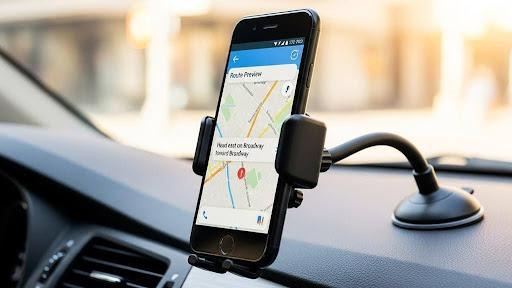
Take the automatic cell phone holder. A few years ago, it was just a clip. Now it opens when you approach, locks automatically, and wirelessly charges your phone while you drive. It’s the kind of upgrade most people don’t even notice, until they borrow an older car and realize how convenient it’s become.
Small, frictionless tools like that are the unsung heroes of modern travel. They don’t show off; they make the day easier. For business travelers, delivery drivers, or anyone who spends hours behind the wheel, a reliable mount or charger can quietly save hours a week.
Cars That Know Their Drivers
We’ve already accepted that our phones “learn” us: predicting routes, reminders, and moods. Cars are doing the same. The new generation of smart accessories taps into that ecosystem, collecting small bits of data about how we drive, charge, and even park. The goal is adaptation. A dash cam that uploads automatically, a pressure sensor that sends a notification, a charger that adjusts wattage; these are the building blocks of vehicles that understand our rhythms. It’s technology that’s built to serve.
Even License Plates Get Smarter
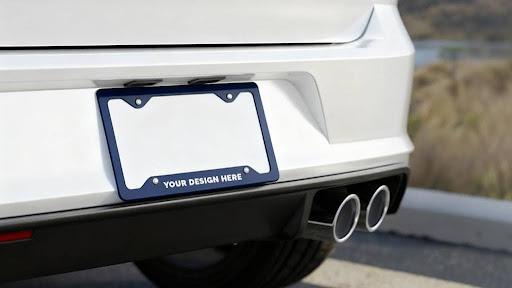
Then there’s the car plate holder. Boring? Not anymore. Some modern versions come with embedded tracking chips or tamper-proof locks that sync with fleet software. For companies managing dozens of vehicles, that means fewer losses, better data, and easier compliance. Something that once existed purely for decoration is now part of a digital trail.
Every small element on a vehicle is being pulled into the network, quietly and efficiently, usually without the driver even noticing.
The Data Engine
Underneath it all is one fuel source: information. Every smart device, whether built-in or attached later, creates a ripple of data. How fast you accelerate, when you brake, and how often you charge. All of it helps engineers and designers refine the next wave of tools. When handled right, that data becomes insight. Handled wrong, it’s just noise.
That’s why companies racing into this space are focusing on privacy and transparency as much as performance. People want smarter cars, not nosier ones.
Smarter Safety
Safety is still the heartbeat of innovation. Accessories that used to be passive, like mirrors, cameras, sensors, now think for themselves. Dash cams detect motion while parked; mirrors flash warnings when someone enters a blind spot.
What’s changing is accessibility. Features once reserved for luxury models are now available to order online and install yourself. A family car can have nearly premium safety technology for under $100. That kind of democratization keeps innovation honest.
The Sustainability Pivot
The electric era changed the rules. Drivers began thinking in terms of watts instead of miles per gallon, and manufacturers started reimagining accessories for a cleaner future.
You see it in the materials: aluminum instead of plastic, packaging made from recycled cardboard, and even auto-shutoff chargers that cut power when your device is fully charged. The small efficiencies add up.
A generation ago, nobody cared what their phone mount was made of. Now, it matters. The future of car tech isn’t just about being smarter; it’s about being lighter on the planet.
The Commute as Workspace
For millions of professionals, the car has quietly become a second office. Calls, navigation, charging, quick notes between stops—all of it depends on those small gadgets that keep everything running. That’s why the design of accessories matters so much now. The smoother the tools, the smoother the day. When a mount adjusts automatically or a charger fits seamlessly into a cup holder, you feel less like you’re fighting the road and more like you’re flowing through it.
What Comes Next
The next generation of car accessories won’t just respond, they’ll anticipate. Imagine a phone mount that switches angles when you start a video meeting, or a plate holder that sends an alert when your registration is due for renewal. Cars are turning into platforms for digital living. And accessories, once the smallest part of the picture, are quietly shaping that transformation.
The Quiet Revolution
The irony is that most of these innovations go unnoticed. People rarely brag about their wireless mount or data-syncing plate frame. However, the real progress in technology often works like that: invisible, functional, and absorbed into everyday life. In a few years, we’ll probably take all this for granted. But right now, we’re watching the bridge being built between mechanical driving and digital experience.
Next time you slide your phone into that automatic cell phone holder or notice a car plate holder that looks just a little too sleek to be ordinary, remember: That’s the shape of the future, hiding in plain sight.