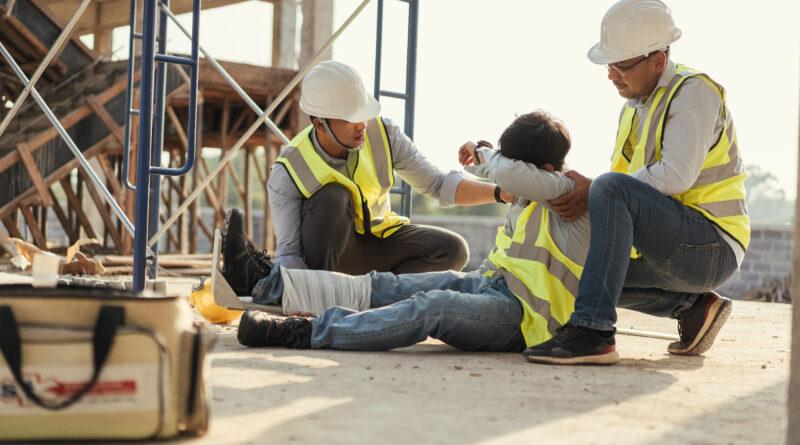
Common Construction Site Accidents Workers Should Watch Out For
Construction sites are inherently hazardous environments. Heavy machinery, power tools, and strict deadlines create a significant potential for accidents and injuries. Despite advancements in occupational safety, the construction industry consistently records a disproportionate number of workplace incidents.
Vigilance, comprehensive safety training, and strict adherence to safety protocols are non-negotiable for protecting worker safety. This article outlines the most common construction site accidents, their typical causes, and essential safety measures to mitigate these ever-present risks.
1. Falls from Heights
Falling from a height remains the leading cause of fatal work injuries in construction, a category OSHA refers to as the “Fatal Four.” These incidents occur from rooftops, ladders, scaffolding, unprotected edges, and through floor openings.
Rigorous safety management is crucial, which includes the use of guardrails, safety nets, personal fall arrest systems, and diligent inspection of all equipment before use. Ensure all workers receive specific training on fall prevention.
When these measures fail, the consequences are severe, and navigating the aftermath often requires specialized legal guidance. Families affected by such tragedies may need to consult a Bronx construction accidents lawyer to understand their rights.
2. Struck-By Accidents
A “struck-by” accident occurs when a moving object or piece of equipment hits a worker. This includes being struck by falling or flying construction materials, swinging crane loads, or vehicles like dump trucks and forklifts in construction vehicle accidents.
Workers on the ground are at risk from tools or materials dropped from above, while those operating near heavy machinery risk being pinned. It is essential to establish a clear separation between workers and traffic lanes, enforce hard-hat zones, secure all loads, and utilize spotters for vehicles with blind spots.
Furthermore, high-visibility personal protective equipment (PPE) is essential in these work environments. Properly worn PPE can dramatically reduce the severity of injuries.
3. Scaffolding Accidents
Scaffolding provides necessary access but introduces substantial risk if improperly erected or maintained. Common failures include planking or support giving way, a lack of guardrails, overloading, and instability resulting from improper assembly or adverse weather conditions.
These failures can lead to devastating falls for multiple workers simultaneously or result in being struck by collapsing components. Compliance with stringent OSHA standards for scaffold design, capacity, and inspection is mandatory. A competent person must train all workers using scaffolds on the hazards, load capacities, and safe access procedures.
When scaffolding accidents occur due to negligence in assembly or maintenance, the injuries are often severe. In such complex cases, seeking advice from a scaffolding accidents attorney can be crucial for an injured worker.
4. Electrical Accidents
Electrical accidents on construction sites range from severe electric shock and burns to electrocutions. Hazards include contact with overhead power lines, using damaged tools or cords, improper grounding, and working near exposed wiring or in wet conditions. These incidents are frequently fatal or cause life-altering injuries.
Safety management must include de-energizing circuits where possible, maintaining safe distances from power lines, using ground-fault circuit interrupters (GFCIs), and ensuring all electrical work is performed by qualified personnel. Regular tool inspections and lockout/tagout procedures are vital safety protocols.
5. Caught-In or -Between Accidents
This category involves workers being caught, crushed, or compressed between equipment and objects. Examples include being pinned between a wall and a construction vehicle, caught in rotating machinery, or buried in a trench collapse.
Trenching and excavation are particularly high-risk activities; cave-ins can happen suddenly and with tremendous force. Prevention requires sloping, shoring, or shielding trench walls, ensuring that machinery has rollover protection and seatbelts, and never working in an unprotected trench.
6. Slip, Trip, and Falls
While falls from elevation are most severe, slips, trips and falls on the same level are among the most frequent accidents and injuries on construction sites. These are often caused by cluttered walkways, slippery surfaces resulting from weather or spills, uneven flooring, exposed cords, and inadequate lighting.
Though often resulting in “only” sprains, fractures, or back injuries, they can still lead to significant disability. Promptly cleaning spills, marking elevation changes, ensuring adequate lighting, and requiring appropriate footwear are fundamental, yet often overlooked, safety measures that directly impact daily worker safety.
7. Exposure to Hazardous Materials
Exposure to asbestos, silica dust, solvents, paints, and welding fumes can lead to chemical burns and respiratory distress. It can also cause long-term, latent illnesses such as cancer, silicosis, or neurological damage.
Safety management requires the proper identification of all hazardous chemicals (including asbestos removal) and the provision of material safety data sheets (MSDS). It also requires engineering controls, such as ventilation, and the use of adequate personal protective equipment (including respirators, gloves, and goggles).
8. Tool and Machinery-Related Injuries
The powerful tools and machinery that drive construction progress can also cause severe injuries when they malfunction or are misused. This includes amputations from saws, crush injuries from nail guns, hearing loss from prolonged noise exposure, and injuries from defective equipment.
Prevention relies on a multi-layered approach: regular maintenance and inspection of all tools, comprehensive operator training, using tools only for their intended purpose with all guards in place, and strict adherence to lockout/tagout procedures during servicing. Providing and enforcing the use of task-specific PPE is a baseline requirement.
Bottom Line
Property owners, contractors, and sub-contractors must provide a safe work environment in construction sites. When they fail, and their negligence leads to accidents and injuries, the physical, emotional, and financial toll on construction workers and their families can be overwhelming. In such cases, consulting with a personal injury lawyer is crucial.