How Do Dental Implants Work Step by Step?
Dental implants have become the gold standard for replacing missing teeth thanks to their durability, natural appearance, and long-term stability. But many patients still wonder how the process actually works. If you’ve ever asked yourself how do dental implants work, this step-by-step breakdown will walk you through everything you need to know, from your first consultation to the final restoration.
What Are Dental Implants?
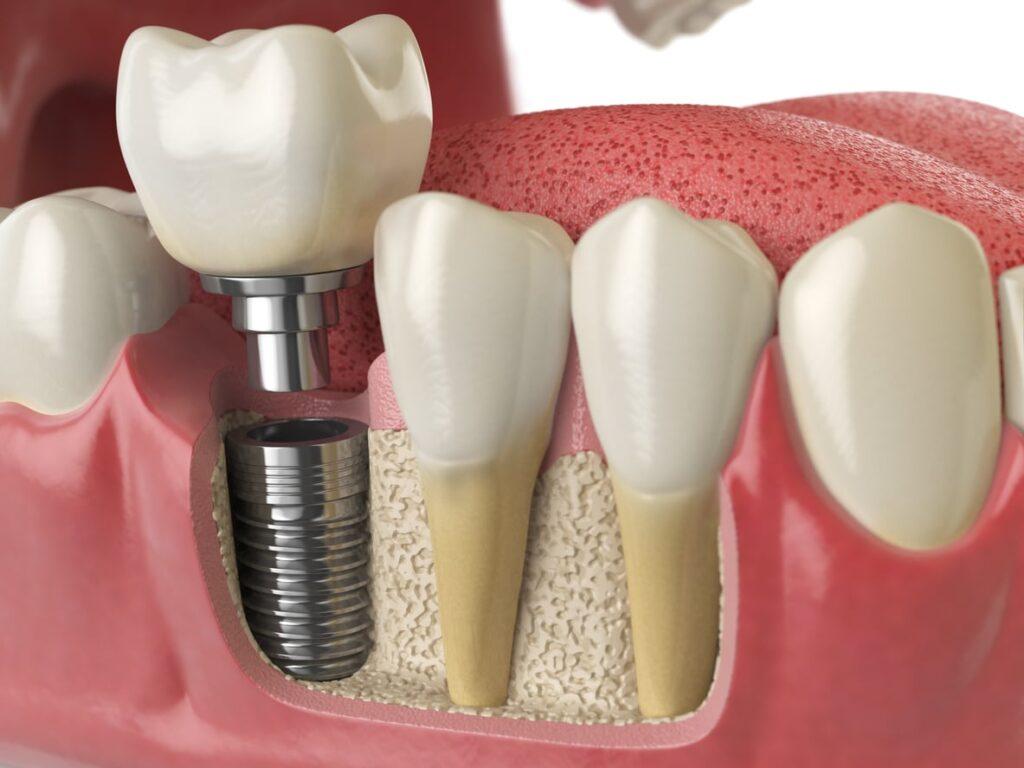
Dental implants are artificial tooth roots made of biocompatible titanium or zirconia. They are surgically placed into the jawbone to support a crown, bridge, or denture. Unlike traditional restorations that sit above the gums, an implant integrates directly with the bone, creating a secure and long-lasting foundation. This integration is what sets implants apart, allowing them to look, feel, and function like natural teeth.
Step 1: The Initial Consultation
The first step in understanding how do dental implants work is the consultation. During this visit, your dentist or oral surgeon evaluates your oral health, bone density, and overall medical history. They will typically take X-rays or a 3D CBCT scan to assess whether your jaw has enough bone to support an implant.
This appointment is also where your treatment plan is customized. You may discuss the number of implants needed, any preliminary procedures, estimated timelines, and cost considerations. For patients with insufficient bone, additional treatments such as grafting may be required before the implant can be placed.
Step 2: Preparatory Procedures When Needed
Not everyone needs preparation before implant placement, but for some, it is a crucial part of the process. These procedures may include:
Bone Grafting
If the jawbone has deteriorated from tooth loss, gum disease, or injury, a bone graft may be necessary. Grafting supplements jawbone volume, creating a stable base for the implant. Healing from a graft can take several months, but it greatly improves the success of the implant.
Tooth Extraction
If a damaged tooth is still present, it must be removed before placing an implant. In some cases, an implant can be placed on the same day as the extraction, depending on the condition of the bone.
Sinus Lift
For implants in the upper molar region, a sinus lift may be required if the sinus sits too close to the jawbone. This procedure increases bone height to safely hold an implant.
Step 3: Implant Placement Surgery
The surgical placement of the implant is the step most people think about when asking how do dental implants work. The process is typically quicker and more comfortable than patients expect.
During surgery, the area is numbed with local anesthesia, and sedation may be offered for those who prefer added comfort. The dentist creates a small incision in the gum to expose the bone, then drills a precise space for the implant screw. The implant is inserted and secured into the jawbone. Once placed, the gum is closed over the implant with stitches.
The entire procedure usually takes 30 to 60 minutes per implant.
Step 4: Osseointegration
Osseointegration is the most important phase of the dental implant process. This is the period when the implant fuses with the surrounding bone. It typically takes three to six months, though timelines vary based on bone quality and healing ability.
During osseointegration, your body forms new bone cells around the implant surface. This is what allows the implant to function like a natural tooth root, giving it unmatched strength and stability. Patients can usually wear a temporary crown or denture during this stage, ensuring they can eat, speak, and smile confidently while they heal.
Step 5: Abutment Placement
After osseointegration is complete, the next step is attaching an abutment. The abutment is a small connector piece that joins the implant to the final crown.
To place it, the dentist reopens the gum tissue to expose the implant and secures the abutment on top. The tissue is then allowed to heal around the abutment for a few weeks. Some implant systems include healing abutments that eliminate the need for a second minor surgery, depending on the treatment approach.
Step 6: Designing and Placing the Final Crown
Once the gums have healed around the abutment, impressions or digital scans are taken to create the final restoration. Your custom crown is designed to match the color, shape, and size of your surrounding teeth so it blends seamlessly with your smile.
When the crown is ready, your dentist attaches it to the abutment, checks your bite for accuracy, and ensures everything looks and feels natural. The result is a replacement tooth that is virtually indistinguishable from a natural one.
How Do Dental Implants Work to Replace Multiple Teeth?
Dental implants aren’t just for single-tooth replacement. They can restore multiple missing teeth or even full arches.
Implant-Supported Bridges
Instead of placing an implant for every missing tooth, a bridge can be supported by just two or more implants. This option replaces several teeth at once while maintaining excellent stability.
Implant-Supported Dentures
For those missing an entire arch, implant-supported dentures offer a secure alternative to traditional removable dentures. They snap onto four to six implants, preventing slipping and improving chewing function.
Full Mouth Reconstruction
Patients with extensive tooth loss or dental damage may receive a combination of implants, crowns, bridges, and other restorations for a complete transformation.
How Long Do Dental Implants Last?
One of the reasons people ask how do dental implants work is to understand why they last so long. Implants can last decades with proper care, and many patients keep them for a lifetime. Because the implant becomes part of your jawbone, it doesn’t decay like a natural tooth. However, the surrounding gum tissue and bone must stay healthy to support it.
Daily brushing, flossing, and regular dental checkups play a crucial role in ensuring long-term success.
Benefits of Dental Implants
Dental implants offer several advantages over other tooth replacement options:
Natural Look and Feel
Implants function like real teeth, allowing you to eat, speak, and smile with confidence.
Long-Term Durability
With a success rate of over 95 percent, implants are considered one of the most reliable dental treatments available.
Jawbone Preservation
When a tooth is lost, the surrounding bone begins to shrink. Implants stimulate the bone and prevent deterioration.
Improved Oral Health
Unlike traditional bridges, implants do not require neighboring teeth to be altered or shaved down.
Enhanced Comfort
Because implants integrate with bone, they eliminate the discomfort and inconvenience associated with removable dentures.
Are Dental Implants Right for You?
Ideal candidates for dental implants typically have healthy gums, adequate bone density, and good overall oral health. However, even if you have bone loss, you may still qualify with the help of grafting techniques.
Chronic conditions such as diabetes or habits like smoking may affect healing times, so be sure to discuss your full medical history with your implant dentist.
Final Thoughts
If you’ve ever wondered how do dental implants work, understanding the step-by-step process makes it clear why they are such a strong and dependable solution for missing teeth. From the initial consultation to the final crown, each phase is designed to create a natural-looking, fully functional replacement tooth that can last a lifetime. With their high success rate and transformative results, dental implants continue to be one of the most trusted options in modern dentistry.