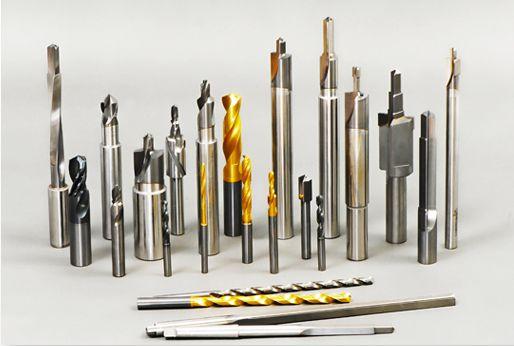
Key Differences Between Common End Mill Types Explained
End mills are some of the most important tools in any machining environment, and understanding their differences is essential for choosing the right tool for each job. Whether you’re roughing heavy material, cutting precision features, or finishing detailed surfaces, the end mill you select directly impacts tool life, surface quality, machining time, and overall efficiency. Most machinists begin by comparing milling machine tools to understand which options fit their materials, tolerances, and machining strategies.
End mills come in numerous styles, geometries, and configurations. Each version is designed for specific materials and cutting tasks, making it crucial to understand how they differ. Below, we explain the most common end mill types and outline what sets each one apart so you can choose the right tool with confidence.
What Sets Each End Mill Type Apart
The first major difference among end mills is flute count. Two-flute end mills are ideal for aluminum and soft materials because they offer excellent chip evacuation and reduce the risk of chip welding. Three-flute designs balance strength and chip clearance, making them useful for high-speed machining in softer steels and alloys. Four-flute end mills provide added rigidity for harder materials, offering stronger edges and smoother surface finishes.
Coating is another distinguishing factor. Uncoated tools work well in aluminum and plastics, while coatings like TiN, TiCN, and TiAlN improve heat resistance and wear life when cutting steel or high-temperature alloys. A coated tool may cost more upfront, but the increased tool life often results in a better long-term value.
Geometry also sets end mills apart. High-helix tools are designed to evacuate chips quickly and reduce cutting forces, ideal for aluminum and high-speed applications. Lower-helix tools offer better rigidity and are suited for steel and harder materials where edge strength is crucial.
Roughing end mills—often called “corn cob” or “serrated” mills—are built to remove material aggressively. Their unique serrated cutting edges break chips into smaller fragments, reducing heat and making them perfect for heavy stock removal.
Finishing end mills, on the other hand, are engineered for precision. Their sharper edges and smoother geometry create clean dimensional accuracy and superior surface finishes. These tools are often used after roughing passes to bring a part into tolerance.
Specialty end mills offer even more diversity. Ball end mills are used for 3D contouring and sculpted surfaces. They excel in mold making, aerospace components, and detailed machining work. Corner radius end mills combine the strength of a radius with the versatility of a flat end, helping reduce chipping and prolong tool life during harder material cuts.
Another important difference among end mills is the type of cut they’re designed to perform. Some tools are engineered for slotting, which demands strong center-cutting capability. Others are optimized for profiling, side milling, or trochoidal high-efficiency machining. Each has a unique role depending on the application.
Shank design also sets tools apart. Weldon shanks prevent pull-out during heavy cutting, while round shanks provide flexibility for general-purpose work. Understanding the mechanical demands of your machining setup helps determine which shank type delivers better stability.
Ultimately, comparing these key differences allows machinists to choose the right cnc end mill for each job and boost both performance and efficiency.
How to Choose the Right End Mill for Your Material and Cut
Choosing the right end mill starts with understanding the behavior of the material you’re cutting. Aluminum, for example, is soft and prone to chip welding, so machinists choose sharp edges, high-helix designs, and fewer flutes. A two- or three-flute tool with polished flutes ensures chips evacuate quickly and reduces friction.
For steels and harder alloys, tool rigidity is essential. Four-flute or variable-flute end mills with durable coatings—such as TiAlN—are best because they withstand heat, minimize chatter, and maintain edge strength under heavy loads.
Material hardness also determines whether to use a rougher or finisher. Harder materials benefit from a staged approach: roughing to remove bulk material, then finishing to tighten tolerances and refine surface quality.
Next, consider your machining strategy. If you’re slotting, you need a tool with center-cutting capability and strong chip evacuation. If you’re profiling, choose a tool with sharper edges and smoother geometry. For 3D surfaces or sculpting, ball end mills deliver the best form accuracy.
Feed and speed optimization plays a significant role, too. A tool that supports high-speed machining may outperform cheaper tools simply by allowing faster feed rates or deeper cuts without compromising tool life. This is where coatings and flute design matter most.
Compatibility with your machine also affects selection. A high-rigidity toolholder and spindle system benefits from variable-flute or high-performance tooling, while smaller machines may require lighter cuts, different tool geometries, or more conservative flute counts.
Finally, long-term value should factor into your decision. Even if a premium tool costs more, it may last longer, improve part quality, reduce scrap, and shorten cycle times. These benefits translate into better overall value on the shop floor.
By taking into account material, machining style, geometry, coatings, and tool life expectations, machinists can choose the tools that deliver the strongest performance while staying budget-conscious. High-quality cnc machining tools give operators the consistency, precision, and durability needed for modern machining success.
Understanding the differences between end mill types—and choosing the right tool for each application—helps you maximize cutting performance, extend tool life, and achieve better results across every machining project.