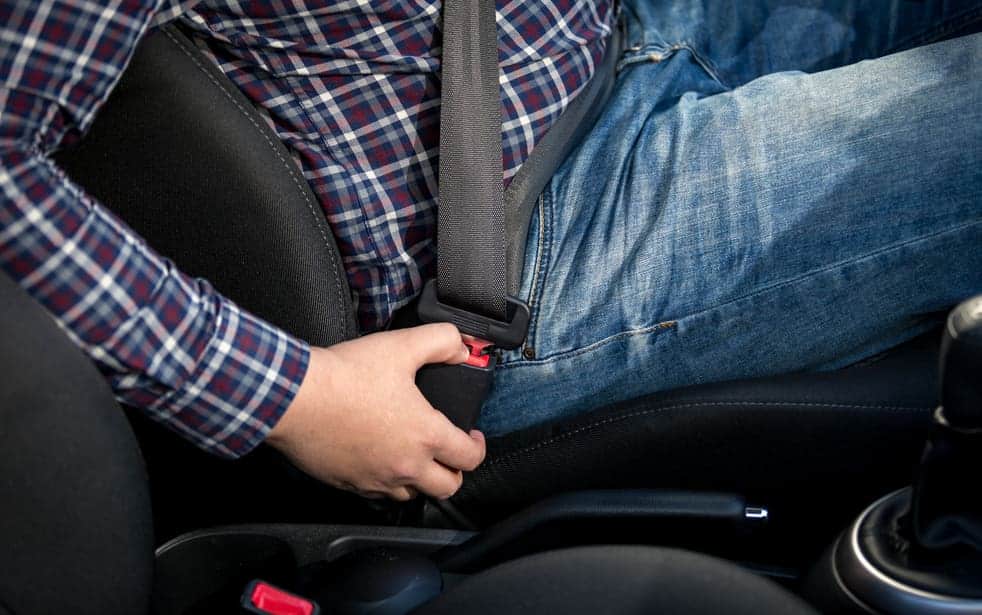
How Seatbelts Save Lives—But Can Still Cause Serious Internal Organ Injuries
For decades, seatbelts have been acknowledged as one of the most effective life-saving tools in modern vehicles. They protect occupants from ejection, reduce the risk of severe head and spine injuries, and work in tandem with airbags to minimize trauma. In crash scenarios, wearing a seatbelt can make the difference between surviving and suffering catastrophic harm.
Yet even with their remarkable ability to save lives, seatbelts can also cause injuries — some of them serious, some of them hidden. Many crash victims walk away believing they are unharmed, only to later discover internal injuries directly associated with the restraint that protected them. Understanding how and why these injuries occur is essential for anyone involved in a motor vehicle accident.
Why Seatbelts Sometimes Contribute to Internal Injuries
Seatbelts function by absorbing and distributing the extreme forces of a collision across the strongest parts of the body. To accomplish this, the belt must tighten rapidly during impact. This force, while protective, can compress organs, bruise soft tissues, or place intense pressure on the chest or abdomen.
In high-speed or high-impact crashes, the human body moves violently. Even though the seatbelt keeps a person in place, organs continue moving internally. This counterforce — the body being restrained while internal organs keep moving — can cause injuries even when the belt is worn correctly.
In cases involving complex injury claims, people often turn to Salter, Healy, Rivera & Heptner for help understanding how seatbelt-related trauma affects both medical treatment and legal recovery.
The Seatbelt Sign: A Red Flag for Deeper Trauma
One of the most recognizable indicators of seatbelt-related injury is the “seatbelt sign” — visible bruising across the shoulder, chest, or abdomen. While the mark itself may fade within days, its presence is significant. Traumatologists and emergency physicians treat this sign seriously because it frequently correlates with internal injuries.
A seatbelt mark can indicate deeper damage such as organ bruising, internal bleeding, or damage to the chest wall. This bruising often becomes a roadmap for doctors, showing where the underlying trauma may be hiding.
Chest Injuries Caused by Seatbelts
The shoulder strap protects against ejection, but its force can cause chest compression. This type of trauma may lead to:
- Rib fractures that make breathing painful
- Sternum fractures caused by the belt locking sharply
- Lung bruising or collapsed lung
- Heart contusions from blunt pressure
Older adults and individuals with preexisting health conditions are especially vulnerable because their bones and tissues may not withstand the same force as younger, healthier occupants.
Abdominal and Organ Injuries From Seatbelts
The abdomen is one of the most sensitive regions affected by seatbelts. Even when the lap belt is positioned correctly, sudden deceleration can compress soft organs. When the lap belt rides too high — a problem common among shorter adults, pregnant women, or people who slouch while driving — the risk of organ injury increases.
These injuries may involve:
- Damage to the liver or spleen
- Tears or perforations in the intestines
- Pancreatic injury
- Compression trauma to the kidneys
Many of these injuries begin subtly, with mild pain or swelling, and worsen over time. Without proper imaging and evaluation, victims may not realize the severity until dangerous complications arise.
Delayed Symptoms Make Diagnosis Difficult
One of the most concerning aspects of internal seatbelt injuries is that symptoms often emerge slowly. Pain may feel manageable at first, leading victims to decline immediate treatment. Hours or days later, they may begin experiencing:
- Increasing abdominal pain
- Nausea or vomiting
- Dizziness or fainting
- Shortness of breath
- A rising heart rate
- Persistent tenderness across the chest or torso
These delayed reactions can indicate internal bleeding, organ rupture, or other serious conditions that require urgent medical intervention.
Why Medical Imaging Is Essential After a High-Impact Crash
Even if a crash victim feels fine, diagnostic imaging such as CT scans or ultrasounds is crucial. These tools help identify hidden damage that physical exams cannot detect. Doctors routinely conduct imaging when the seatbelt sign is present, when the victim reports chest or abdominal pain, or when the mechanism of the crash suggests high force.
Without clear imaging, internal injuries may go untreated, leading to complications such as infection, sepsis, or organ failure.
How Internal Injuries Affect an Injury Claim
Internal organ injuries often require extensive medical care, prolonged rest, and long-term follow-up. This significantly increases the economic impact of a crash. Hospital stays, surgery, rehabilitation, and lost wages all add to the victim’s burden. Additionally, internal injuries can cause emotional trauma, long-term pain, and reduced quality of life.
Because internal injuries may be subtle or delayed, insurance companies sometimes argue they were unrelated to the crash or exaggerated. Thorough documentation — including early medical evaluation, imaging, and photographic evidence of the seatbelt sign — is crucial.
Complicating Factors: Improper Belt Use and Vehicle Design
While seatbelts are designed for safety, certain factors can increase injury risk. If the belt is worn incorrectly or twisted, if the occupant leans forward at impact, or if the vehicle experiences multiple collisions (such as a rollover), the belt may tighten at unsafe angles.
Additionally, seatbelt design itself can influence the injury. Force limiters, pretensioners, and the belt’s anchoring points all affect how the restraint performs during a crash. In rare cases, design defects or malfunctioning mechanisms may contribute to excessive injury, raising questions about potential product liability.
Why Legal Support Matters in Seatbelt-Related Injury Cases
Internal seatbelt injuries can be difficult to detect, document, and explain. Experienced attorneys help victims navigate the medical and legal complexities, gather the necessary evidence, consult with trauma specialists, and ensure that insurers recognize the full extent of the harm caused.
They also help counter arguments that the injuries were unavoidable or the victim’s fault, especially when seatbelt positioning or vehicle design played a role. Proper legal guidance ensures that victims receive compensation reflective of the severity of their injuries and the long-term effects on their lives.
Seatbelts Save Lives — Even When Injuries Occur
Seatbelts remain an essential safety feature, unquestionably preventing countless deaths and catastrophic injuries every year. But their life-saving force does not make them injury-proof. In high-impact crashes, the seatbelt’s ability to restrain can also create internal trauma that demands prompt medical attention and careful legal review.
Recognizing the signs of seatbelt-related injuries — and treating them seriously — ensures that victims receive the medical care they need and the justice they deserve. With proper awareness and strong legal support, the hidden consequences of seatbelt injuries can be addressed effectively and safely.