Navigating Illness From Unsafe Food: What Consumers Should Know
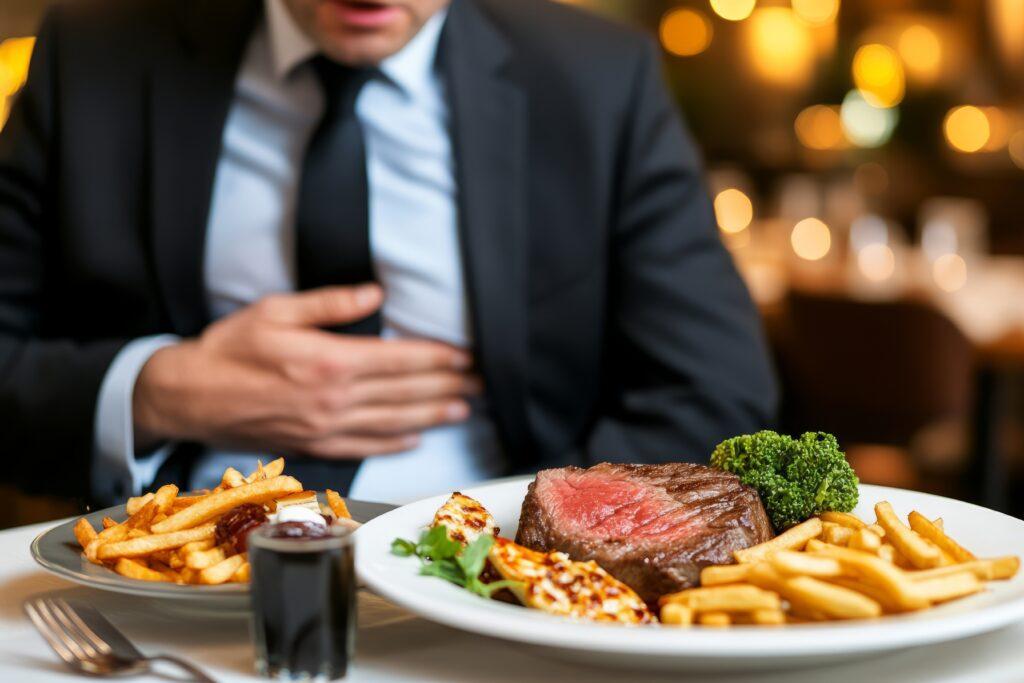
The simple act of eating carries a hidden, pervasive risk: foodborne illness. From a mild stomachache to severe, life-threatening conditions, the consequences of consuming unsafe food are significant, impacting millions globally each year. While stringent regulations govern the food industry, the ultimate protection against what’s commonly called “food poisoning” begins and ends with the individual consumer.
This guide outlines critical pieces of information every consumer needs to navigate the world of food safely and confidently.
Cross-Contamination and the Danger Zone
It’s a common misconception that all foodborne illnesses come from obviously spoiled food. In reality, the danger often lies in the invisible transfer of harmful bacteria, a process known as cross-contamination.
This occurs when foodborne pathogens from raw meat, poultry, seafood, or their juices are transferred to ready-to-eat foods, like salad ingredients or cooked meals. Using the same cutting board for raw chicken and then for chopping vegetables without a thorough washing in between is a classic example. Consumers must rigorously separate raw foods and cooked ingredients in the grocery cart, in the refrigerator, and during preparation by utilizing separate cutting boards and utensils.
The other major factor is temperature. Bacteria thrive within a specific temperature range, famously dubbed the “danger zone,” which sits between 40°F (4.4°C) and 140°F (60°C). Food left in this zone for too long (generally more than two hours) allows bacteria to multiply to dangerous levels. This rule is crucial for everything from takeout leftovers sitting on the counter to buffet food that isn’t kept hot or cold enough.
The key to mitigating this risk is prompt chilling of leftovers and ensuring hot foods are kept hot until they are served, which is often best achieved by using a food thermometer to check internal temperatures during cooking and reheating.
Determining the precise cause of a severe foodborne illness, especially when seeking compensation, can be complex, as it requires analyzing where cross-contamination occurred and if temperature abuses within the danger zone were committed, among other factors. This is why if you or a loved one becomes seriously ill due to food poisoning, you may need to hire a reputable food poisoning attorney.
Cooking Is Your Only Kill Step
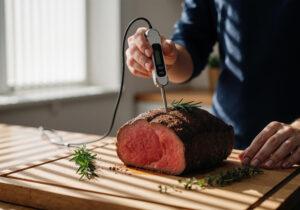
For certain foods, particularly raw meat, poultry, and eggs, proper cooking is the single most important defense against pathogens like Salmonella and E. coli. While refrigeration slows bacterial growth, and freezing makes them dormant, only sufficient heat will destroy them.
The internal temperature must reach a specific minimum to ensure safety, and color or texture alone are unreliable indicators. For example, all poultry, including ground chicken and turkey, must reach an internal temperature of 165°F (74°C). Ground meats require 160°F (71°C), and whole cuts of pork, beef, and lamb should reach 145°F (63°C) with a three-minute rest time.
Because judging this by eye is impossible, a food thermometer is an inexpensive, indispensable tool for every kitchen and a cornerstone of effective food safety practices.
Recognizing the High-Risk Groups and Foods
While anyone can fall ill from contaminated food, certain populations are far more vulnerable to severe illness, hospitalization, or even death from foodborne diseases. These high-risk groups include pregnant women, children under five, adults aged 65 and older, and individuals with weakened immune systems due to conditions like cancer, diabetes, or HIV/AIDS. For these groups, seemingly benign infections can escalate into dangerous complications. Note that this information is separate from food allergies, which involve immune responses to specific proteins rather than pathogenic contamination.
Furthermore, some foods inherently carry a greater risk. Raw or undercooked eggs, poultry, meat, and seafood are primary culprits. However, the list also includes unpasteurized products like raw milk and certain soft cheeses, raw flour, and raw sprouts.
Knowing the Symptoms and Staying Hydrated
The most common symptoms of foodborne illness, such as diarrhea, vomiting, nausea, stomach pain, and fever, can appear anywhere from a few hours to several weeks after consuming the tainted food product, though one to three days is typical. This delay often makes it difficult to pinpoint the exact source of contamination.
If symptoms are mild, the most crucial action is to prevent dehydration. Vomiting and diarrhea cause a significant loss of water and essential electrolytes, and replacing these lost fluids is the primary at-home treatment. Drinking plenty of clear liquids, or better yet, oral rehydration solutions, is vital.
However, certain symptoms warrant immediate medical attention. If you experience a high fever, signs of severe dehydration (like little or no urination), bloody stools, or prolonged, excessive vomiting, you should seek professional care immediately.
Your Right and Responsibility to Report
As a consumer, you have an important role in the public health system: reporting suspected food poisoning. When you become ill, it’s tempting to simply wait it out, but failing to report can allow a wider outbreak to go undetected.
If you suspect that a commercial product, restaurant meal, or food from a large gathering caused your illness, contact your local or state health department. Public health officials rely on these reports to connect isolated incidents and identify potential outbreaks, allowing them to take action and remove contaminated products from the market through recalls, an essential function of food control systems.
If you still have the suspected food item, securely wrap it, mark it “DANGER,” and freeze it. Saving the original packaging is also important. This preserves potential evidence that can be tested by health authorities.
Conclusion
The landscape of food safety is complex, spanning global food supply chain networks and the entire food chain from farm to fork, requiring coordination among food handlers, food business operators, and regulatory agencies implementing food safety systems and food hygiene protocols. Yet, the power to significantly reduce your own risk rests in your hands. Foodborne illness will always be a risk, but informed vigilance is the strongest possible defense.